




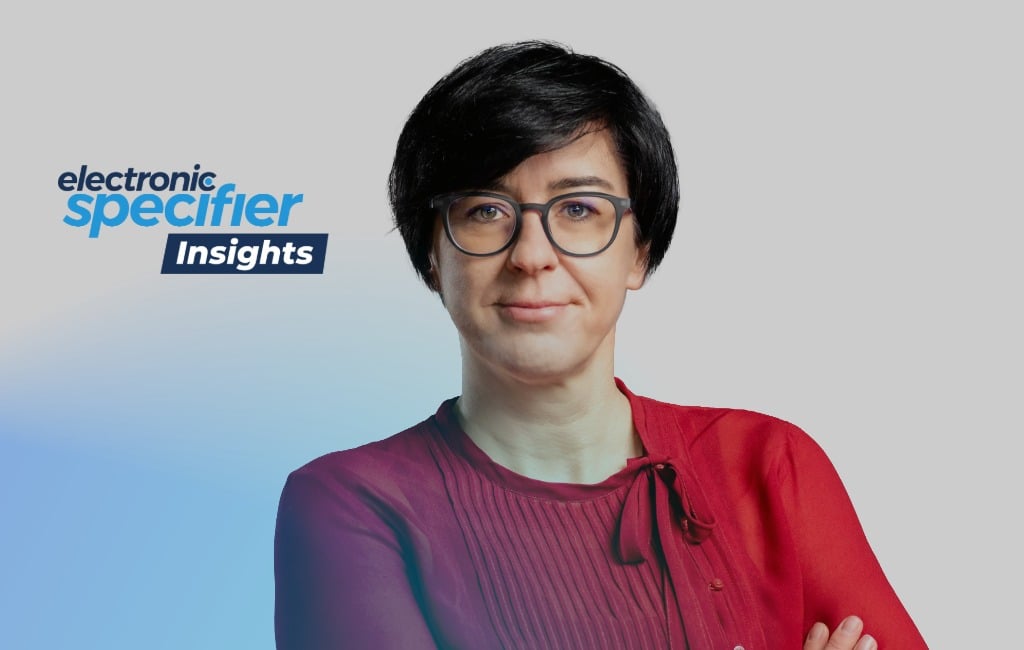
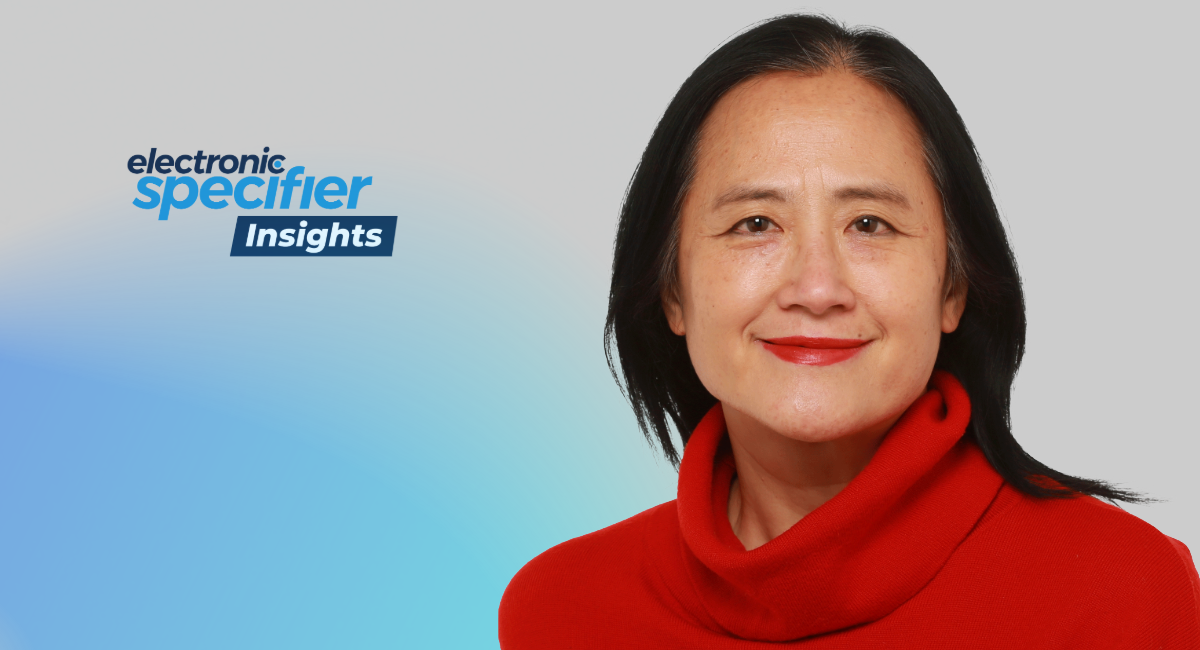
In this special Women in Tech takeover, Sheryl Miles speaks with Mateja Lampe Rupnik, CEO, Red Pitaya.
The conversation delves into Rupnik’s unconventional journey from studying art history to leading a technology company, her leadership philosophy, the evolution of Red Pitaya, and her advice for women aspiring to enter the tech industry.
Rupnik begins by sharing her unique educational background: “I studied history of art and Russian language. And usually people, when you tell them that you study something like that, the reaction is always, oh, my God, where will you get a job with this kind of education?” Despite these doubts, Rupnik’s language skills helped her secure her first job in the automotive industry, focusing on supply chain management. After the birth of her third child, she transitioned to a role closer to home, joining Instrumentation Technologies, the parent company of Red Pitaya.
Red Pitaya was founded in 2013 with a mission to democratise science by making high-tech tools accessible to everyone. “Let’s create an open source, affordable, compact sized device that allows anyone from hobbyists to professors, students, researchers or just people in their garages to perform advanced measurements and experiments in a very affordable and very plug and play way,” Rupnik explains. The company’s successful Kickstarter campaign, which raised a quarter of a million dollars, validated the demand for such a product and fostered a vibrant community around it.
A significant part of the discussion centres on Red Pitaya’s transition from serving enthusiasts to becoming a trusted solution for industry professionals. Rupnik credits this shift to “a very honest interaction with our customer base” and a commitment to core values like openness and collaboration. “By staying open source and actively engaging with our customer base, we actually created a two-way dialogue that shaped this development and basically fostered also loyalty,” she notes.
As CEO, Rupnik has been instrumental in shaping the company’s culture, especially during its rapid growth from a team of three to over fifteen, with a diverse array of collaborators worldwide. She emphasises the importance of independence and transparency: “I’m really trying to give them the possibility to be independent in their work. So micromanagement is something that I’m really trying to avoid.” Diversity is another cornerstone: “Diversity really helps teams looking at challenges, at problems, or at future development strategies from different perspectives.”
Rupnik also reflects on her personal growth and leadership evolution. “As a young person, you’re very reactive. As an experienced person, you learn how to reflect … from control to trust, this is a change that I had to make.” She maintains resilience through daily exercise, engagement with the arts, and quality time with family.
Support systems are vital, especially in leadership roles that can feel isolating. Rupnik values her board, colleagues, and family: “Talking to people, not keeping things inside, discussing, I think this is very important.”
For women, especially those without technical backgrounds, Rupnik’s advice is clear: “Women should really not limit themselves, no matter what background … diverse experience brings really valuable perspectives.” She encourages women to be “bold, courageous, and vocal,” and highlights the importance of supportive partners and mentors.
To hear more from Mateja Lampe Rupnik, you can listen to Electronic Specifier’s interview on Spotify or Apple podcasts.
Electronic Specifier Insights
















Series 18 – Episode 10 – Women in tech takeover: an AI mindset
In this special Women in Tech takeover, Sheryl Miles speaks with Jeana Bolanos, Founder and President, SalesE about her unique career journey from nuclear engineer in the US Navy to semiconductor industry professional and now tech entrepreneur.

Series 18 – Episode 9 – Nanusens’ new approach to MEMS integration
Paige West speaks with Dr Josep Montanyà i Silvestre, CEO at Nanusens about the company’s MEMS-in-CMOS technology.

Series 18 – Episode 8 – optimising Edge AI with low-power FPGAs
Paige West speaks with Hussein Osman, Marketing Director, Lattice Semiconductor about the company’s role in enabling Edge AI.
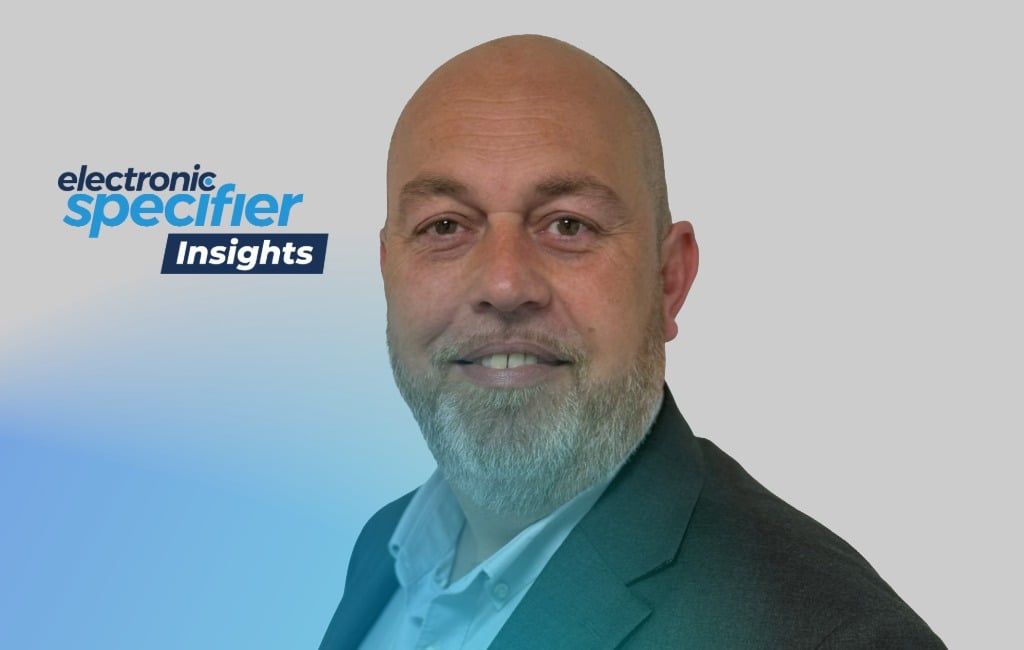
Series 18 – Episode 7 – modern manufacturing needs modern profiling
Paige West speaks with Chris Williams, Head of European Sales, Solderstar about thermal profiling.
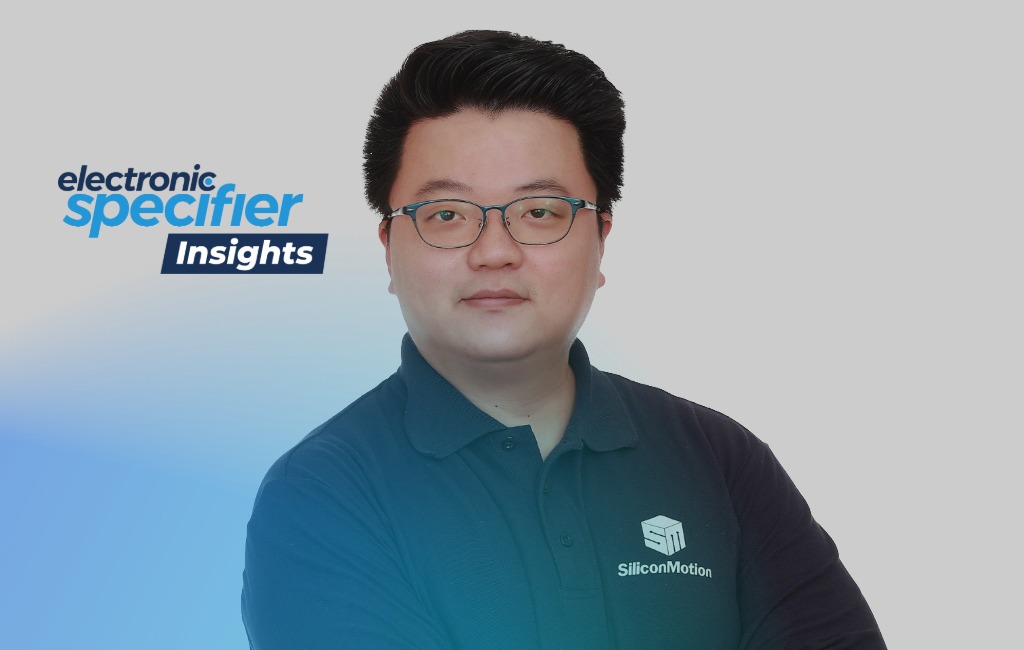
Series 18 – Episode 6 – memory at the core of innovation
Paige West speaks with Steve Shih, Automotive and Embedded Product Manager, Silicon Motion about memory being at the core of innovation and, in particular, how it’s transforming the industrial and automotive sectors.
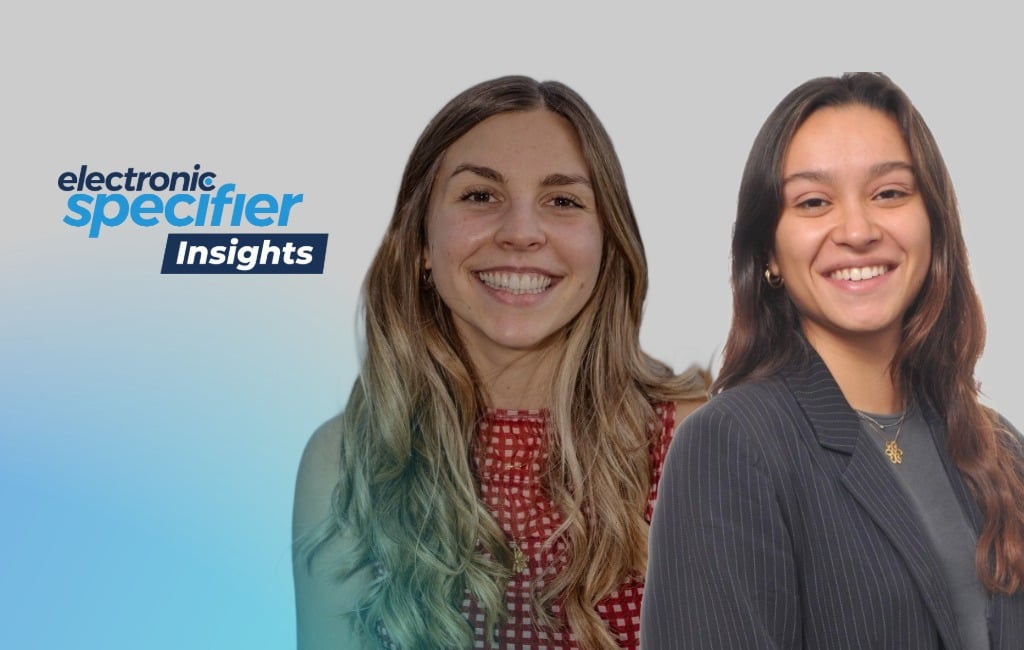
Series 18 – Episode 5 – re-launch of the Systems Change Lab
Paige West speaks with Ellie Carey, Elected Trustee at Engineers Without Borders UK and Eva Fernandez, Strategic Sustainability Consultant at Ramboll about the launch of the 2025 Systems Change Lab.

Series 18 – Episode 4 – shaping IoT’s next chapter with antenna innovation
Paige West speaks with Dermot O'Shea, Co-Founder and CEO, Taoglas about the Internet of Things (IoT) and antenna innovation.

Series 18 – Episode 3 – security for embedded systems
Paige West speaks with Roland Marx, Product Manager, swissbit about the critical world of cybersecurity and swissbit’s Security Upgrade System.

Series 18 – Episode 2 – PXI, LXI, & the modular test puzzle: finding the right fit
Paige West speaks with Tom Sarfi, Business Development Manager, Pickering Interfaces about the differences between LXI & PXI and where each is best suited.

Series 18 – Episode 1 – the future of battery management
Paige West speaks with Joseph Notaro, Vice President Global Sales & Marketing, Dukosi about its cell monitoring system, the DKCMS with C-Synq.