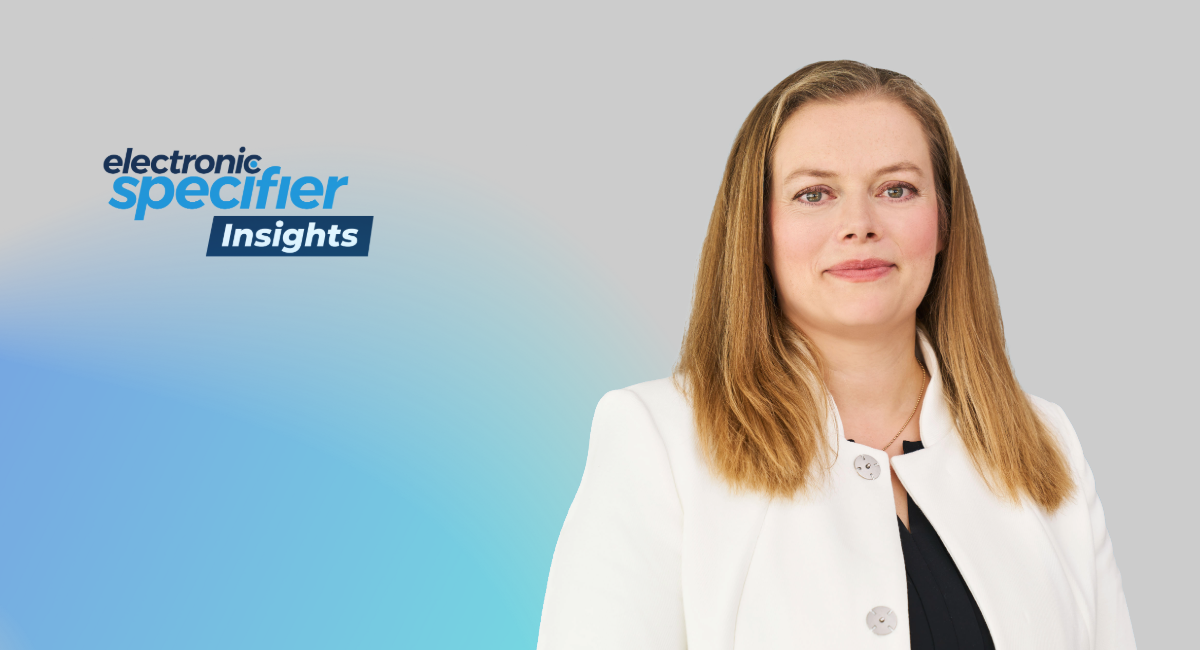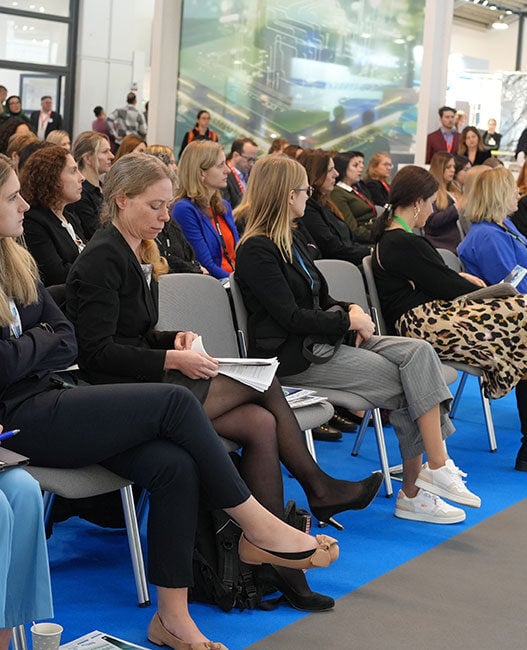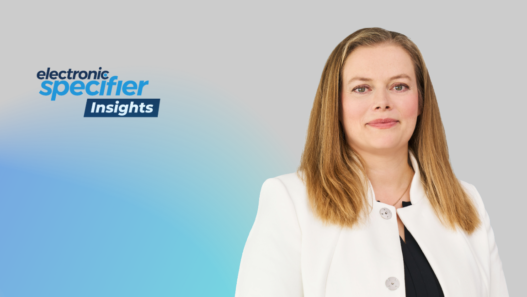


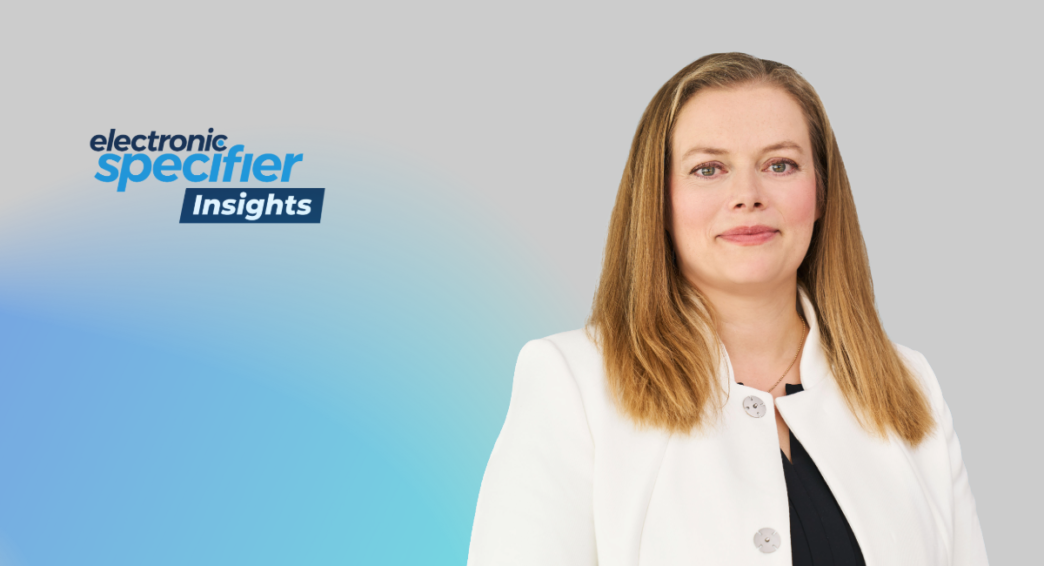
electronica has spent six decades evolving alongside the electronics industry. In a conversation with Paige Hookway on Electronic Specifier Insights, exhibition director Caroline Pannier reflected on the show’s history and outlined what visitors can expect from its 2026 edition, themed ‘Empowering the All-Electric Society’.
Founded in Germany in 1964, electronica began as a dedicated exhibition for electronics components. Its first edition welcomed more than 400 exhibitors and around 14,000 visitors, Pannier said. Over the years, the show has provided a meeting place for major industry developments, from the introduction of early microprocessors in the 1970s to advances in mobile communications in the decades that followed.
The exhibition’s focus has broadened as the industry has changed. Where exhibitors once concentrated on individual components and technical specifications, visitors increasingly want to understand how technologies work together in complete systems.
“Electronics as the product we are showcasing has moved from individual components to very connected and intelligent systems,” Pannier said. electronica, she added, has developed into a global platform where the industry can discuss challenges and see solutions in practice.
That shift is reflected in the scale of the upcoming show. electronica 2026 will occupy all 18 halls at Munich’s exhibition centre, compared with 12 when Pannier joined the event in 2012. The expanded footprint includes a larger semiconductor area, as demand grows across fields including AI, data centres, electric mobility, automation, and energy systems.
Semiconductors are at the heart of many of these changes, Pannier said, but the show will cover the broader electronics value chain. Electromechanics, passive components, PCBs, and electronics manufacturing services are also represented, with additional space allocated to growing areas.
The all-electric society theme will not be confined to a single exhibit or hall. Instead, the event aims to show how electronics contributes across industries and applications, connecting international decision-makers and developers around the shared goal of a more sustainable, carbon-neutral future.
A new feature for 2026 is Edge Lab Live, located in Hall C5. Dedicated to Edge computing, the area will bring together demonstrations, workshops, presentations, and expert talks. It is intended to help developers, system architects, and technical decision-makers explore how open-source and open-standard technologies are used in real-world applications.
The show’s three focus areas – AI, cyber resilience and energy efficiency – were selected in consultation with exhibitors and electronica’s advisory board. Pannier described them as issues currently shaping and challenging the industry. As more systems become connected and software-defined, security and efficiency are increasingly important alongside intelligence.
AI, in particular, is becoming less of a standalone offering and more deeply integrated into products and infrastructure. Pannier pointed to its movement from the Cloud toward Edge devices, chips, sensors, vehicles, and industrial applications. The emphasis, she said, is increasingly on practical use cases: making products smarter, manufacturing more efficient, and mobility more intelligent.
For attendees, Pannier recommended exploring the full show and taking advantage of its supporting programme, which includes five stages, forums, and a startup area. She also highlighted the human effort behind the event, especially the transformation that takes place during setup. Watching the exhibition come together, she said, is “almost like seeing a sleeping city suddenly become alive.”
Looking ahead, Pannier expects hardware and software to move closer together as AI, electrification, and connectivity continue to develop. Energy efficiency and cyber resilience, she believes, will remain essential across applications. electronica’s role will be to bring the ecosystem together and help turn those trends into real-world solutions.
To hear more about electronica 2026, you can listen to Electronic Specifier’s interview on Spotify or Apple podcasts.
Electronic Specifier Insights



Series 18 – Episode 10 – Women in tech takeover: an AI mindset
In this special Women in Tech takeover, Sheryl Miles speaks with Jeana Bolanos, Founder and President, SalesE about her unique career journey from nuclear engineer in the US Navy to semiconductor industry professional and now tech entrepreneur.

Series 18 – Episode 9 – Nanusens’ new approach to MEMS integration
Paige West speaks with Dr Josep Montanyà i Silvestre, CEO at Nanusens about the company’s MEMS-in-CMOS technology.

Series 18 – Episode 8 – optimising Edge AI with low-power FPGAs
Paige West speaks with Hussein Osman, Marketing Director, Lattice Semiconductor about the company’s role in enabling Edge AI.
Series 18 – Episode 7 – modern manufacturing needs modern profiling
Paige West speaks with Chris Williams, Head of European Sales, Solderstar about thermal profiling.
Series 18 – Episode 6 – memory at the core of innovation
Paige West speaks with Steve Shih, Automotive and Embedded Product Manager, Silicon Motion about memory being at the core of innovation and, in particular, how it’s transforming the industrial and automotive sectors.
Series 18 – Episode 5 – re-launch of the Systems Change Lab
Paige West speaks with Ellie Carey, Elected Trustee at Engineers Without Borders UK and Eva Fernandez, Strategic Sustainability Consultant at Ramboll about the launch of the 2025 Systems Change Lab.
Series 18 – Episode 4 – shaping IoT’s next chapter with antenna innovation
Paige West speaks with Dermot O'Shea, Co-Founder and CEO, Taoglas about the Internet of Things (IoT) and antenna innovation.
Series 18 – Episode 3 – security for embedded systems
Paige West speaks with Roland Marx, Product Manager, swissbit about the critical world of cybersecurity and swissbit’s Security Upgrade System.

Series 18 – Episode 2 – PXI, LXI, & the modular test puzzle: finding the right fit
Paige West speaks with Tom Sarfi, Business Development Manager, Pickering Interfaces about the differences between LXI & PXI and where each is best suited.

Series 18 – Episode 1 – the future of battery management
Paige West speaks with Joseph Notaro, Vice President Global Sales & Marketing, Dukosi about its cell monitoring system, the DKCMS with C-Synq.