











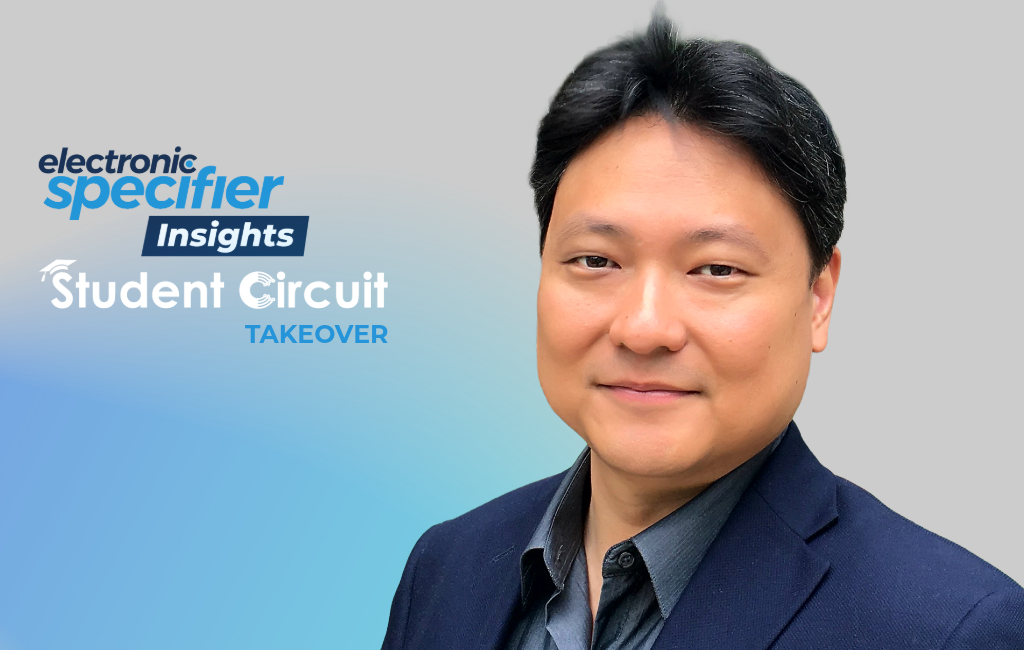
Dr Montanyà i Silvestre is a telecommunications engineer with a PhD in MEMS technology from the University of Catalonia. He founded Nanusens in 2014 with a revolutionary approach to integrating MEMS directly into standard CMOS chip manufacturing processes.
The current MEMS market is fragmented, with each vendor using unique, bespoke manufacturing processes. Nanusens aims to standardise MEMS production by leveraging existing CMOS processing techniques, potentially transforming the industry similar to how CMOS standardised solid-state electronics.
Nanusens’ innovative approach involves using post-processing techniques with hydrofluoric acid vapor to create mechanical spaces within existing CMOS layers. Instead of adding new materials, they repurpose existing metal layers to create mechanical movements. This method allows for the creation of various MEMS devices, including sensors like accelerometers, gyroscopes, pressure sensors, microphones, and actuators.
The technology offers significant advantages, including unprecedented miniaturisation, lower power consumption, reduced costs, and the ability to produce devices at large volumes. By using standard CMOS processing, Nanusens can achieve smaller feature sizes, lower parasitic capacitance, and utilise multiple structural layers.
However, the approach has limitations. The company cannot choose specific materials, which restricts development of optical, biocompatible, and timing devices. The technical challenges have been substantial, requiring 20 years of research to develop design techniques that work with the inherent mechanical properties of CMOS materials.
Nanusens’ first target market is the mobile phone industry, specifically developing a digitally tunable RF capacitor for 6G smartphone antennas. This device addresses critical challenges in high-frequency communication, including managing high voltages and maintaining signal linearity. The company plans to bring this product to market by 2028.
The technology is particularly promising for mobile and wearable devices, offering the potential to reduce sensor footprints and improve battery life. In some cases, sensors could be completely embedded within digital processors, eliminating separate sensor chips.
Dr Montanyà i Silvestre reflects on his entrepreneurial journey, noting the challenges of funding R&D through private investment. He has learned valuable lessons about company governance, the importance of the right shareholders, and maintaining a strong connection between technical development and market needs.
Looking forward, Nanusens aims to become the reference company for MEMS devices, with its IPs widely used in integrated circuits. The company’s vision is to transition MEMS from specialised, separate technologies to mainstream components integrated directly into chips.
The long-term goal is to revolutionise MEMS manufacturing by making it as standardised and efficient as solid-state electronics production. By solving critical challenges in miniaturisation, power consumption, and performance, Nanusens is positioning itself at the forefront of a potential paradigm shift in semiconductor and sensor technology.
To hear more from Dr. Montanyà i Silvestre, you can listen to Electronic Specifier’s interview on Spotify or Apple podcasts.
Electronic Specifier Insights




















Series 18 – Episode 10 – Women in tech takeover: an AI mindset
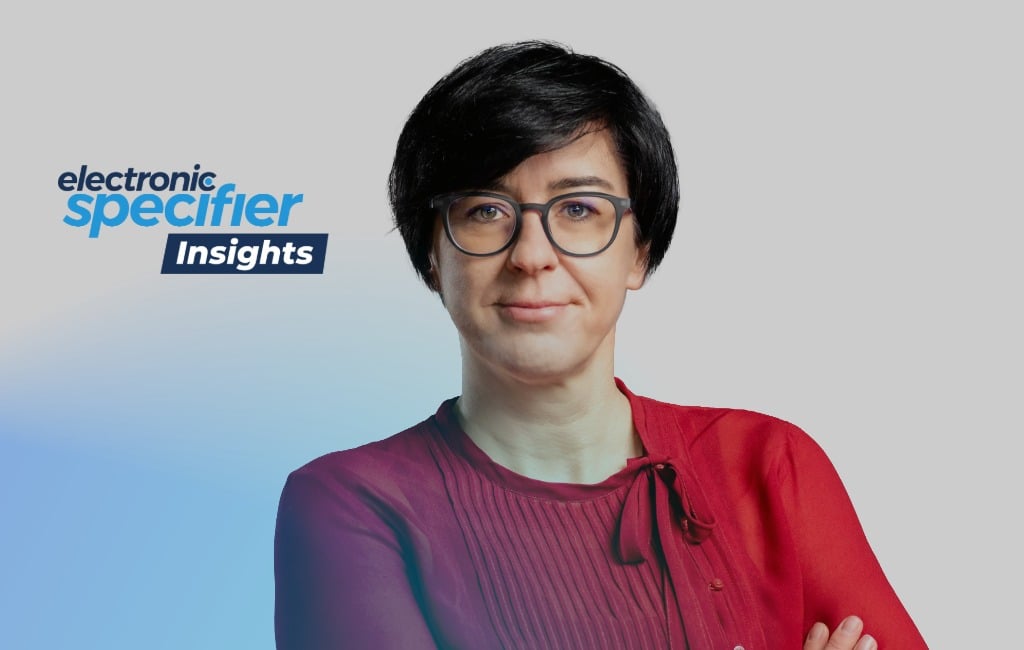
In this special Women in Tech takeover, Sheryl Miles speaks with Jeana Bolanos, Founder and President, SalesE about her unique career journey from nuclear engineer in the US Navy to semiconductor industry professional and now tech entrepreneur.

Series 18 – Episode 9 – Nanusens’ new approach to MEMS integration
Paige West speaks with Dr Josep Montanyà i Silvestre, CEO at Nanusens about the company’s MEMS-in-CMOS technology.

Series 18 – Episode 8 – optimising Edge AI with low-power FPGAs
Paige West speaks with Hussein Osman, Marketing Director, Lattice Semiconductor about the company’s role in enabling Edge AI.
Series 18 – Episode 7 – modern manufacturing needs modern profiling
Paige West speaks with Chris Williams, Head of European Sales, Solderstar about thermal profiling.
Series 18 – Episode 6 – memory at the core of innovation
Paige West speaks with Steve Shih, Automotive and Embedded Product Manager, Silicon Motion about memory being at the core of innovation and, in particular, how it’s transforming the industrial and automotive sectors.
Series 18 – Episode 5 – re-launch of the Systems Change Lab
Paige West speaks with Ellie Carey, Elected Trustee at Engineers Without Borders UK and Eva Fernandez, Strategic Sustainability Consultant at Ramboll about the launch of the 2025 Systems Change Lab.

Series 18 – Episode 4 – shaping IoT’s next chapter with antenna innovation
Paige West speaks with Dermot O'Shea, Co-Founder and CEO, Taoglas about the Internet of Things (IoT) and antenna innovation.

Series 18 – Episode 3 – security for embedded systems
Paige West speaks with Roland Marx, Product Manager, swissbit about the critical world of cybersecurity and swissbit’s Security Upgrade System.

Series 18 – Episode 2 – PXI, LXI, & the modular test puzzle: finding the right fit
Paige West speaks with Tom Sarfi, Business Development Manager, Pickering Interfaces about the differences between LXI & PXI and where each is best suited.

Series 18 – Episode 1 – the future of battery management
Paige West speaks with Joseph Notaro, Vice President Global Sales & Marketing, Dukosi about its cell monitoring system, the DKCMS with C-Synq.

