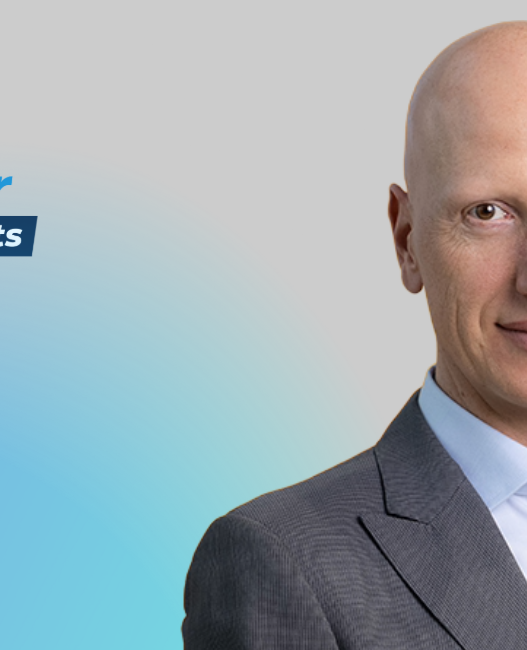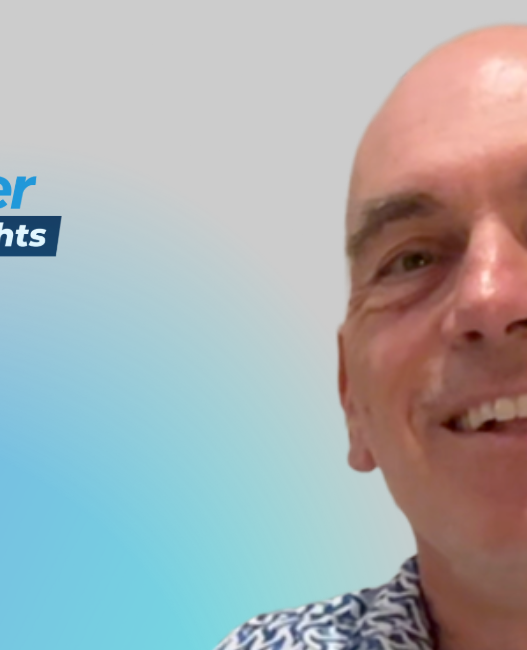







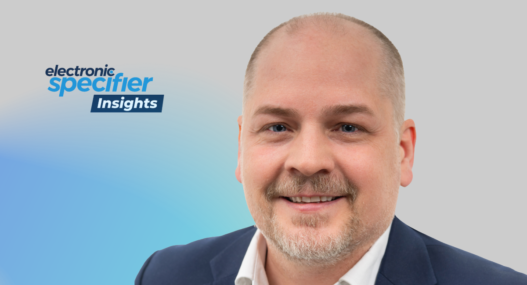
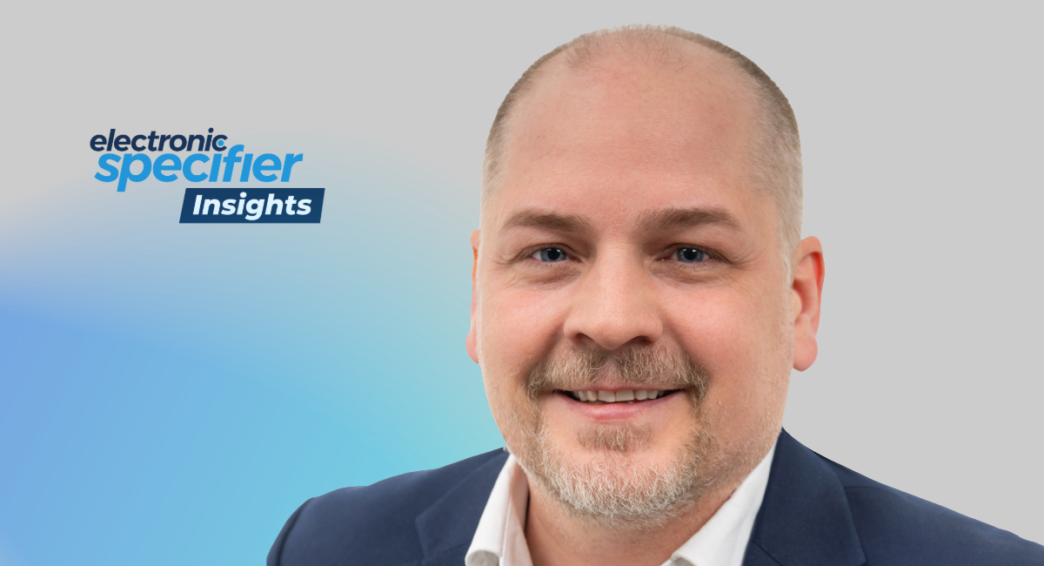
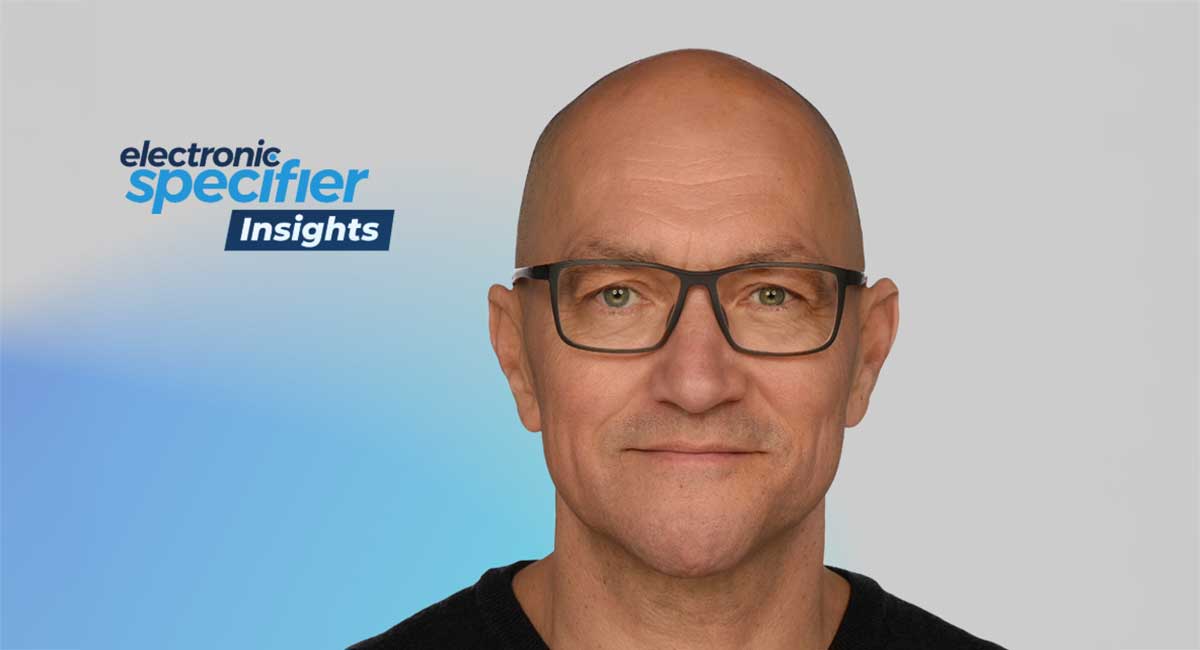
The latest episode of Electronic Specifier Insights, hosted by Paige Hookway, features Frank Mayer, General Manager of imc Test & Measurement, in a discussion about how test and measurement practices are evolving to meet the demands of electrification, software-defined vehicles, and advanced driver-assistance systems (ADAS).
Drawing on decades of industry experience, Mayer frames the challenge as one of preserving signal integrity while scaling measurement, storage, and analysis to handle vastly more data.
A central theme of the interview is complexity: modern vehicles embed thousands of sensors, multiple bus systems, and high-voltage subsystems, and test infrastructures must keep pace. Mayer stresses the leap in measurement scope: where engineers once managed a few dozen signals, “suddenly they have to measure 1000s of different data sets.” He underlines the safety implications of missing rare, transient events: even a one-second anomaly can create a safety hazard, so capturing, storing, and analysing high-bandwidth data in real time is essential.
On the meaning of “real time,” Mayer cautions against one-size-fits-all definitions. “When we say real time, that doesn’t always mean it’s just the same millisecond,” he explains, noting that some automotive use cases accept latencies like 100 milliseconds, while sensor-driven systems can demand much faster insights. The goal, he says, is to be able to “look at the real data immediately when it happens” while still performing post-processing for deeper analysis.
To address synchronisation and integrity across hundreds of channels, imc emphasises engineering discipline and localised data handling. Mayer describes the company’s approach: “we do it at our amplifier already,” storing data close to the device-under-test to avoid the bottlenecks and integrity issues of transporting large volumes of raw data across networks. Short cabling, careful signal handling, and a high-speed backplane between amplifier and base unit all help ensure timing and fidelity.
imc positions itself as an end-to-end provider that blends analog expertise with modern software orchestration. Mayer highlights a multi-core software approach that separates command and control from data acquisition tasks – ensuring deterministic behaviour in complex setups – and points to integrated AI features that help sift large volumes of measurement data. “It makes it easier to find the challenge, find the issue in all of this,” he says, describing how AI tools shorten the time from capture to insight.
The conversation digs into two flagship software products: IMC Studio and FAMOS. Mayer clarifies their complementary roles: “Studio is used for really getting access to our magic data acquisition world at imc … you don’t have to be a programmer,” offering an intuitive environment for configuring tests, automating calibration, and managing workflows. FAMOS, by contrast, is described as a powerful post-analysis suite with AI capabilities that can ingest data from oscilloscopes, spectrum analysers, and other DAQ systems.
On predictive maintenance and AI, Mayer is pragmatic. He stresses that tools are enablers, while domain experts generate the real value: “The power comes from the gurus … who are doing actually their own design.” A striking example Mayer shares involves a customer who used FAMOS to build predictive models for safety-relevant electronics in nuclear power plant systems – demonstrating how high-quality measurement data plus expert modelling can produce actionable maintenance forecasts.
Looking ahead, Mayer is cautiously optimistic about AI’s role in test engineering. He believes AI will take over tedious data wrangling and accelerate engineers’ workflows but insists on human oversight: “You always have to look over those results,” he warns, emphasising that creativity and contextual judgement remain human strengths. For Mayer, the future of test and measurement is not autonomous decision-making by software but a partnership where intelligent tools augment experienced engineers.
To hear more from Frank Mayer, you can listen to Electronic Specifier’s interview on Spotify or Apple podcasts.
Electronic Specifier Insights
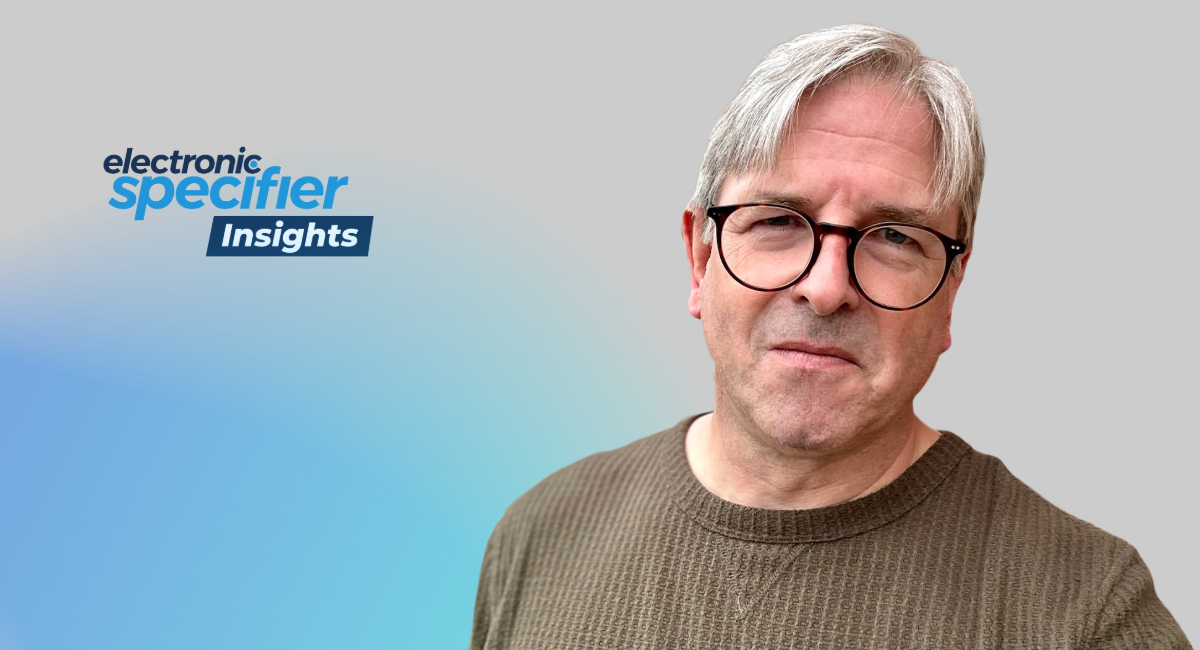



Series 18 – Episode 10 – Women in tech takeover: an AI mindset
In this special Women in Tech takeover, Sheryl Miles speaks with Jeana Bolanos, Founder and President, SalesE about her unique career journey from nuclear engineer in the US Navy to semiconductor industry professional and now tech entrepreneur.

Series 18 – Episode 9 – Nanusens’ new approach to MEMS integration
Paige West speaks with Dr Josep Montanyà i Silvestre, CEO at Nanusens about the company’s MEMS-in-CMOS technology.

Series 18 – Episode 8 – optimising Edge AI with low-power FPGAs
Paige West speaks with Hussein Osman, Marketing Director, Lattice Semiconductor about the company’s role in enabling Edge AI.
Series 18 – Episode 7 – modern manufacturing needs modern profiling
Paige West speaks with Chris Williams, Head of European Sales, Solderstar about thermal profiling.
Series 18 – Episode 6 – memory at the core of innovation
Paige West speaks with Steve Shih, Automotive and Embedded Product Manager, Silicon Motion about memory being at the core of innovation and, in particular, how it’s transforming the industrial and automotive sectors.
Series 18 – Episode 5 – re-launch of the Systems Change Lab
Paige West speaks with Ellie Carey, Elected Trustee at Engineers Without Borders UK and Eva Fernandez, Strategic Sustainability Consultant at Ramboll about the launch of the 2025 Systems Change Lab.
Series 18 – Episode 4 – shaping IoT’s next chapter with antenna innovation
Paige West speaks with Dermot O'Shea, Co-Founder and CEO, Taoglas about the Internet of Things (IoT) and antenna innovation.
Series 18 – Episode 3 – security for embedded systems
Paige West speaks with Roland Marx, Product Manager, swissbit about the critical world of cybersecurity and swissbit’s Security Upgrade System.

Series 18 – Episode 2 – PXI, LXI, & the modular test puzzle: finding the right fit
Paige West speaks with Tom Sarfi, Business Development Manager, Pickering Interfaces about the differences between LXI & PXI and where each is best suited.

Series 18 – Episode 1 – the future of battery management
Paige West speaks with Joseph Notaro, Vice President Global Sales & Marketing, Dukosi about its cell monitoring system, the DKCMS with C-Synq.