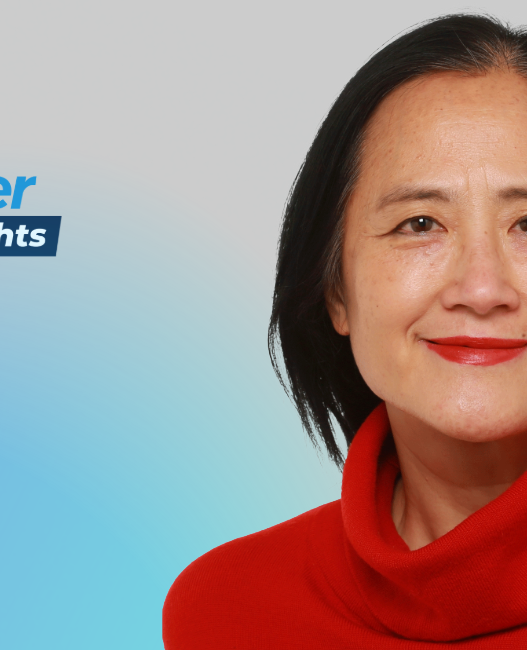








In a recent episode of Electronic Specifier Insights, host Paige Hookway speaks with Carmen Redondo, Director of Global Marketing for Antennas at KYOCERA AVX. The conversation centres on the role of antennas in enabling non-terrestrial networks (NTN) and how advanced manufacturing techniques – particularly Laser Direct Structuring (LDS) – are allowing new, compact antenna solutions for satellite-to-device communications, especially in IoT applications.
The discussion frames NTN as a major opportunity: terrestrial networks do not reach roughly 70% of the planet, so satellites can address connectivity gaps across oceans, remote land areas, and other underserved locations. The release of 3GPP Release 17 standardised NTN support and accelerated module and device development that use cellular modules for satellite links, opening many IoT use cases. Redondo emphasises that antennas are the final, critical element closing the link to satellites since satellite signals are weak and travel long distances – making antenna performance even more important than in typical terrestrial cellular applications.
Engineering challenges specific to NTN are explored. Redondo highlights two main technical issues: the weak satellite signal strength and the predominance of circular polarisation in satellite transmissions. While many terrestrial antennas use linear polarisation, NTN requires circular polarisation to avoid loss from polarisation mismatch; furthermore, two-way communication (transmit and receive) increases the importance of polarisation alignment and overall antenna sensitivity.
A significant portion of the episode focuses on Laser Direct Structuring (LDS) as a game-changing manufacturing approach. Redondo explains LDS: specially formulated plastic resins are laser-activated, enabling metal plating of complex three-dimensional antenna geometries directly onto moulded parts. LDS permits use of the entire 3D volume rather than limiting designs to planar or PCB-based structures. This enables novel shapes – such as the company’s ‘Tulip’ antenna with constant phase fronts – and facilitates implementations that achieve circular polarisation, compact form factors, weight savings, surface-mount technology (SMT) compatibility, and robustness in metal-rich environments. LDS-based antennas can be integrated directly onto PCBs like other SMT components and are attractive for weight-sensitive applications like drones.
The interview highlights KYOCERA AVX’s award-winning S-band LDS cap antenna. Redondo details its benefits: lightweight plastic construction, hollow interior allowing components beneath the antenna, SMT mounting, stable gain at low elevation angles (valuable for LEO satellites and for geo-satellite use at low elevation), and, importantly, configurable dual circular polarisation – meaning the same antenna can be configured for right-hand or left-hand circular polarisation depending on the satellite provider. She asserts this configurability differentiates their product in the market and provides cost-efficiency and flexibility for customers.
On application fit, Redondo notes LDS cap antennas excel where the antenna can be oriented upward toward the sky – industrial sensors, stationary IoT devices, and certain automotive external applications – whereas some asset-tracking devices may be less suitable unless they can ensure sky-facing orientation. She also mentions trials with major automotive OEMs and plans for IP-housed external versions.
Looking forward, Redondo teases forthcoming innovations: a dual-band L+S antenna with dual polarisation that will increase flexibility across constellations and regions, supporting devices that must connect to different satellite types (LEO, GEO, or regional providers). She also references engagement with partners on future NTN developments. She closes by stressing that antenna selection and proper implementation are critical for device success.
To hear more from KYOCERA AVX, you can listen to Electronic Specifier’s interview on Spotify or Apple podcasts.
Electronic Specifier Insights














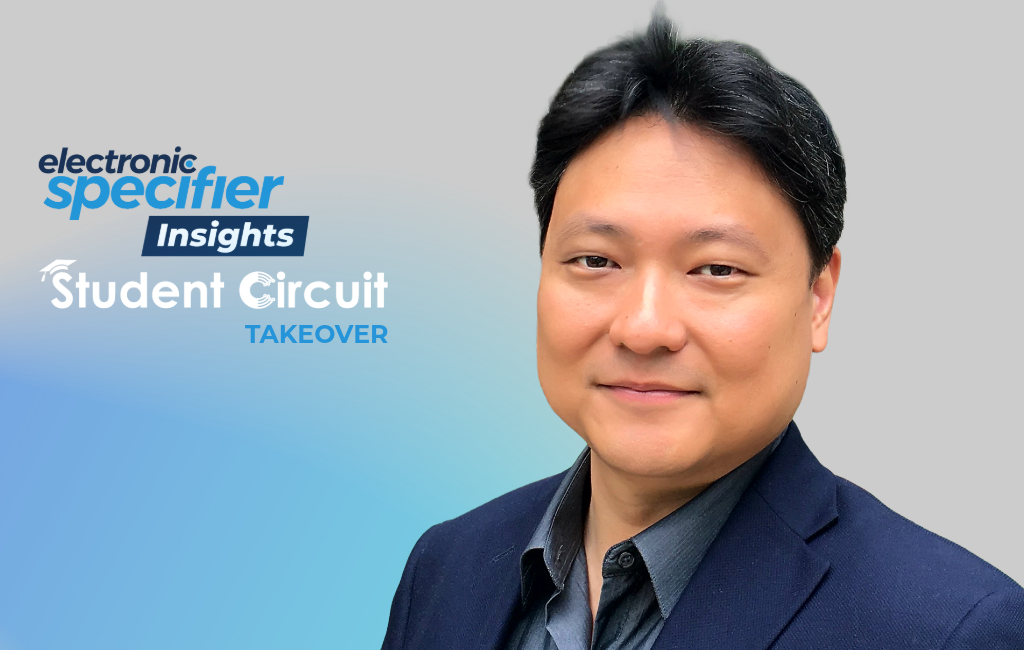






Series 18 – Episode 10 – Women in tech takeover: an AI mindset
In this special Women in Tech takeover, Sheryl Miles speaks with Jeana Bolanos, Founder and President, SalesE about her unique career journey from nuclear engineer in the US Navy to semiconductor industry professional and now tech entrepreneur.

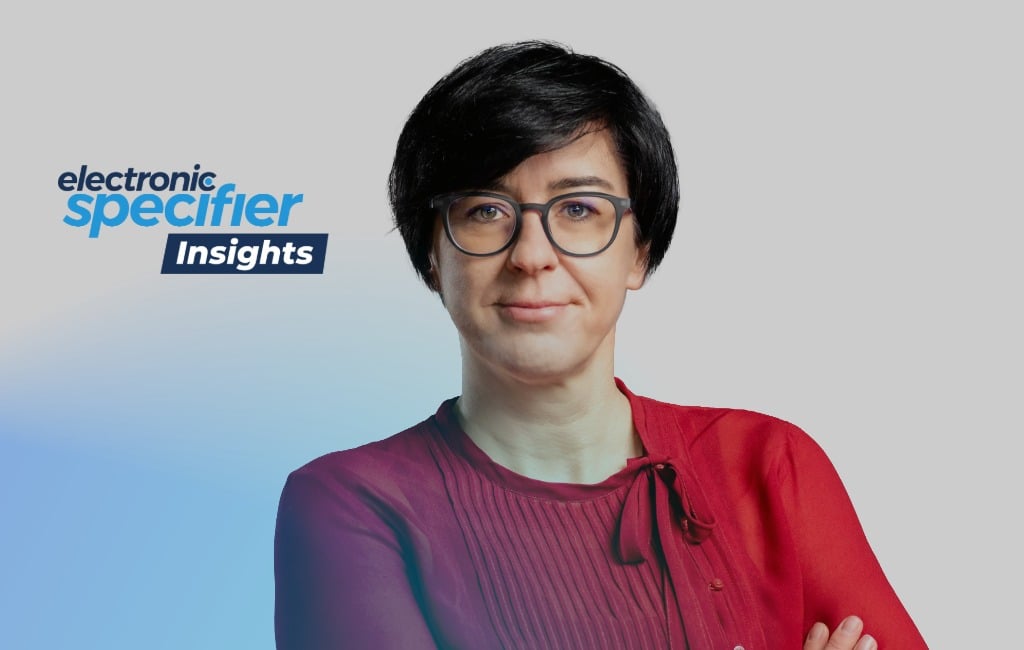
Series 18 – Episode 9 – Nanusens’ new approach to MEMS integration
Paige West speaks with Dr Josep Montanyà i Silvestre, CEO at Nanusens about the company’s MEMS-in-CMOS technology.

Series 18 – Episode 8 – optimising Edge AI with low-power FPGAs
Paige West speaks with Hussein Osman, Marketing Director, Lattice Semiconductor about the company’s role in enabling Edge AI.
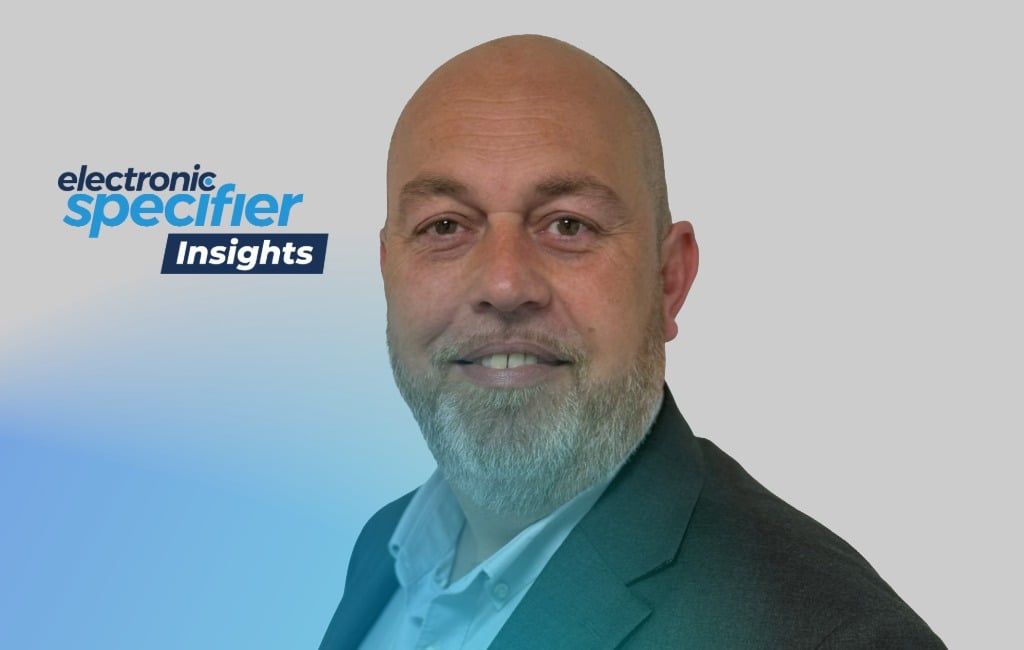
Series 18 – Episode 7 – modern manufacturing needs modern profiling
Paige West speaks with Chris Williams, Head of European Sales, Solderstar about thermal profiling.
Series 18 – Episode 6 – memory at the core of innovation
Paige West speaks with Steve Shih, Automotive and Embedded Product Manager, Silicon Motion about memory being at the core of innovation and, in particular, how it’s transforming the industrial and automotive sectors.
Series 18 – Episode 5 – re-launch of the Systems Change Lab
Paige West speaks with Ellie Carey, Elected Trustee at Engineers Without Borders UK and Eva Fernandez, Strategic Sustainability Consultant at Ramboll about the launch of the 2025 Systems Change Lab.

Series 18 – Episode 4 – shaping IoT’s next chapter with antenna innovation
Paige West speaks with Dermot O'Shea, Co-Founder and CEO, Taoglas about the Internet of Things (IoT) and antenna innovation.

Series 18 – Episode 3 – security for embedded systems
Paige West speaks with Roland Marx, Product Manager, swissbit about the critical world of cybersecurity and swissbit’s Security Upgrade System.

Series 18 – Episode 2 – PXI, LXI, & the modular test puzzle: finding the right fit
Paige West speaks with Tom Sarfi, Business Development Manager, Pickering Interfaces about the differences between LXI & PXI and where each is best suited.

Series 18 – Episode 1 – the future of battery management
Paige West speaks with Joseph Notaro, Vice President Global Sales & Marketing, Dukosi about its cell monitoring system, the DKCMS with C-Synq.