


For manufacturers of long-life electronic systems, component obsolescence is an inevitable challenge. Semiconductor technology evolves rapidly, while products in sectors such as aerospace and defence, industrial, medical, transportation, and energy are often expected to remain in service for decades. Managing that mismatch has become a critical part of product lifecycle planning.
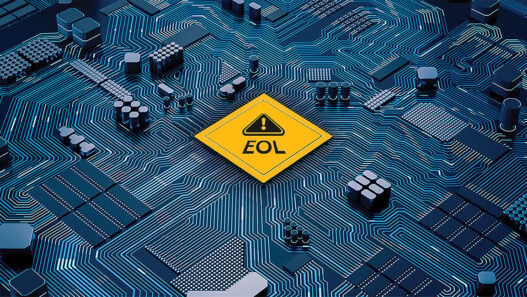
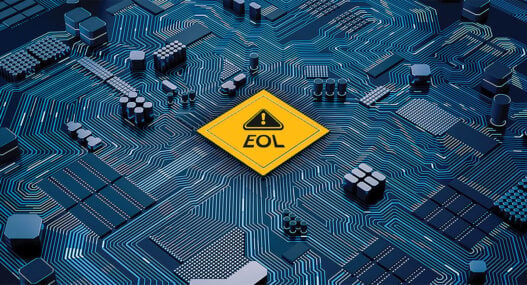
Too often, obsolescence is still treated as a reactive issue. An end-of-life (EOL) notification arrives, a critical component becomes difficult to source, or production is disrupted because replacement parts are no longer available. By that stage, the options are usually limited and expensive. Redesigns, requalification, regulatory approvals, and production delays all add significant cost and consume valuable engineering resources.
The organisations that manage obsolescence most successfully take a different approach. They make lifecycle planning part of the product development process from the outset, regularly reviewing component availability and assessing potential risks before they affect production.
The cost of obsolescence extends far beyond replacing a single component. Last-time-buy opportunities can tie up significant capital in inventory that may need to be stored for many years, while accurately forecasting demand over the lifetime of a product is rarely straightforward. Businesses must also consider the impact on after-sales support. If replacement components become unavailable, meeting long-term service commitments can become increasingly difficult.
Lifecycle intelligence tools, including Z2Data and S&P Global’s IHS Markit databases, provide valuable insight into component status and predicted EOL dates. However, they are only part of the solution. The most effective obsolescence strategies combine lifecycle data with product roadmaps, production plans, and customer support requirements, enabling organisations to identify risks early and make informed decisions.
Forecasting also has its limits. While lifecycle models continue to improve, unexpected events such as supplier consolidation, manufacturing issues, geopolitical developments, or natural disasters can quickly change market conditions. The semiconductor industry has repeatedly demonstrated how rapidly supply chains can shift, making flexibility just as important as planning.
One practical way to reduce risk is through closer collaboration with trusted semiconductor partners. Sharing Bills of Materials (BOMs) or critical component lists allows potential vulnerabilities to be identified well before they become business critical. This creates opportunities to evaluate alternative sourcing strategies, plan redesigns where necessary, and develop longer-term lifecycle support plans.
At Rochester Electronics, we work closely with more than 70 authorised semiconductor manufacturers, giving us a broad view of global technology trends, wafer fabrication capabilities, and packaging supply chains. Combined with our authorised manufacturing capabilities and continued component availability beyond standard end-of-life dates, this enables us to help customers make informed decisions that reduce risk and support long-life programmes.
Component obsolescence cannot be eliminated, but it can be managed. Organisations that plan ahead, continuously assess component risk and work closely with experienced supply chain partners are better positioned to minimise disruption, control costs, and keep products in service for as long as their customers require.
This article originally appeared in the August’26 magazine issue of Electronic Specifier Design – see ES’s Magazine Archives for more featured publications.