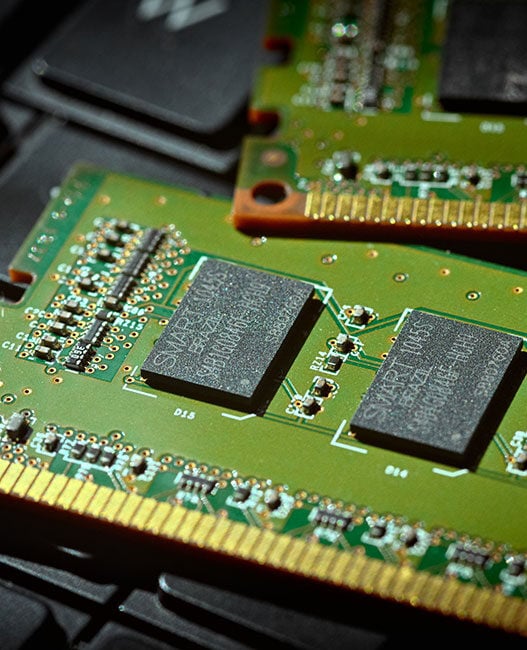




Neumonda will demonstrate its Raptor DRAM testing platform at electronica 2026 in Munich, showcasing high-speed testing of GDDR5 memory under simulated real-world operating conditions.
Raptor expands the company’s existing range of DRAM test platforms, which includes Rhinoe and Octopus. Together, the three
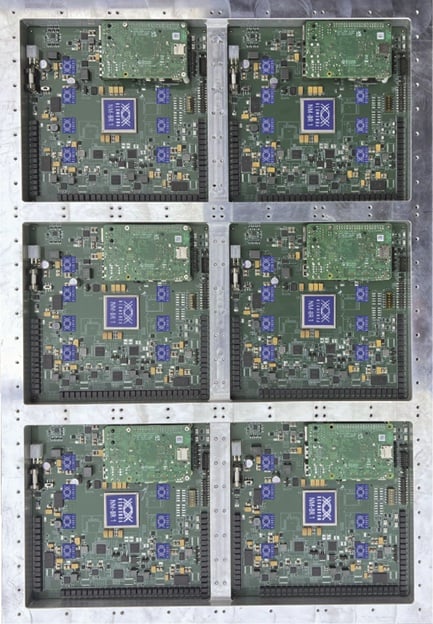
systems are designed to assess memory performance across a range of operating conditions, combining high-speed testing with endurance and signal-integrity validation.
The need for more comprehensive memory testing is growing as DRAM plays an increasingly important role in artificial intelligence (AI) and high-performance computing systems. These applications place demanding requirements on memory performance and reliability, increasing the importance of validation across different operating conditions.
At electronica, Neumonda will demonstrate Raptor’s high-speed testing capabilities alongside its established Rhinoe and Octopus platforms. The company says the systems can be used together to create a complementary test flow, supporting both current and legacy memory technologies.
The portfolio covers DDR4, DDR5, LPDDR4 and LPDDR5, with support intended for future DDR6 and LPDDR6 generations. It also addresses high-bandwidth memory (HBM), which is increasingly used in high-performance computing applications.
“[At electronica,] we are showing how our test-board family has evolved from individual platforms into a complementary test flow,” said Peter Pöchmüller, CEO of Neumonda. “Raptor provides the high-speed capabilities needed for newer memory generations, while Octopus and Rhinoe support endurance and signal-integrity testing.”
Neumonda describes its DRAM testers as a scalable, automated test solution for AI systems and industrial high-performance applications. The platforms will be on display at electronica 2026, taking place in Munich from 10 to 13 November, in Hall C5, booth 361.