








Anna Wood, Editor at Electronic Specifier, picks her top 5 power products released in May 2026.
Bosch introduces Gen3 SiC MOSFETs
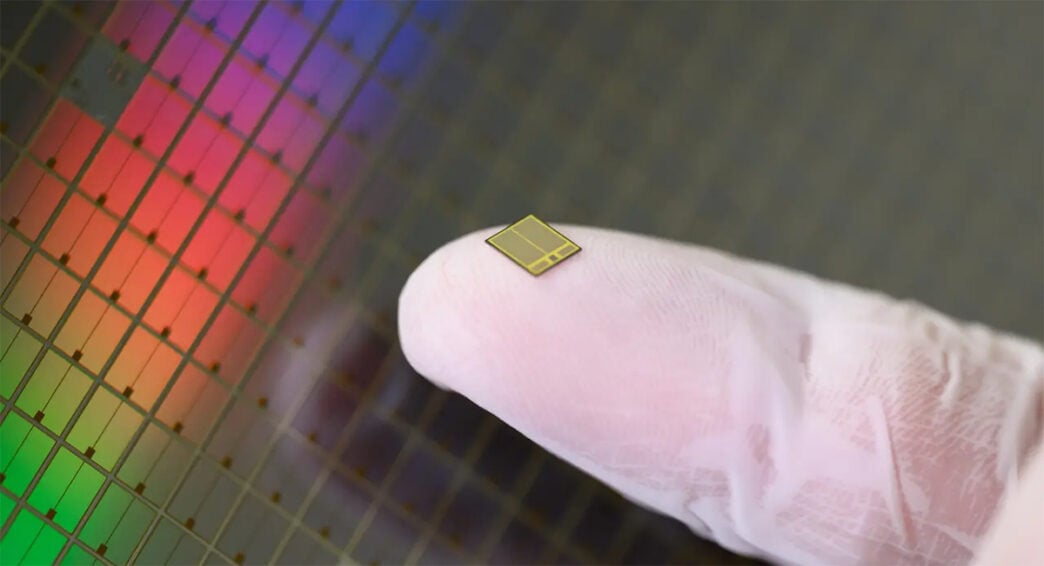
With the launch of its Gen3 SiC MOSFETs, Bosch is further advancing silicon carbide technology for high-voltage applications. Rutronik is supporting this innovation by preparing its portfolio to include the new generation of power semiconductors, addressing increasing demands for efficiency, power density, and system performance.
The ongoing electrification of applications such as electric mobility, renewable energy, and industrial drive systems is driving the need for more efficient and powerful semiconductor solutions. Silicon carbide (SiC) has emerged as a key technology, offering lower switching losses, higher operating temperatures, and improved overall efficiency compared to conventional silicon-based devices.
With its Gen3 SiC MOSFETs, Bosch sets new benchmarks in performance and system optimisation. The devices are designed to further reduce switching losses, increase efficiency and enable more compact system designs. This results in significant improvements in energy efficiency and thermal management, particularly in high-voltage applications.
SmartMCD integrating MCU and MOSFETs
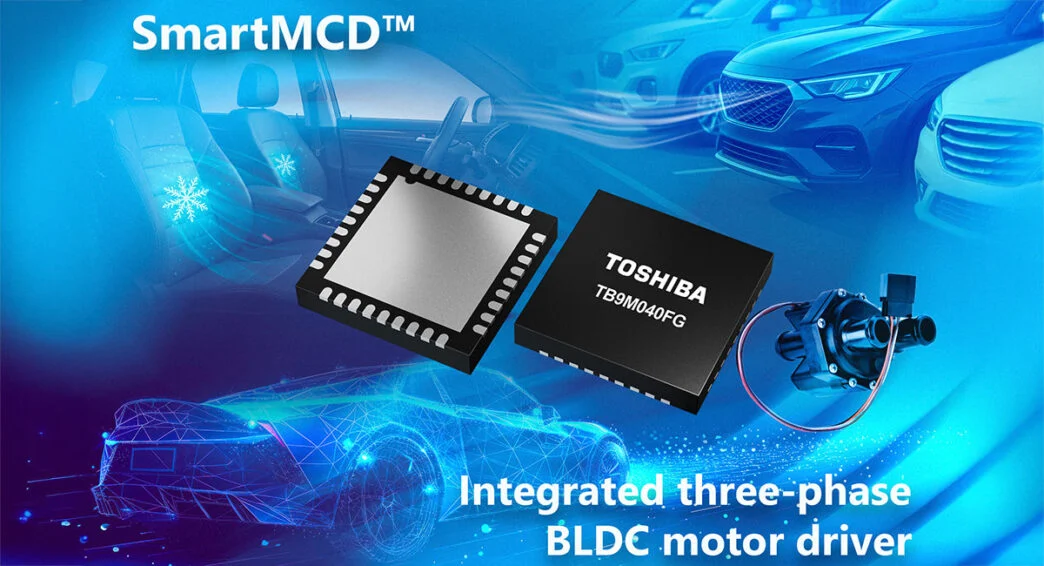
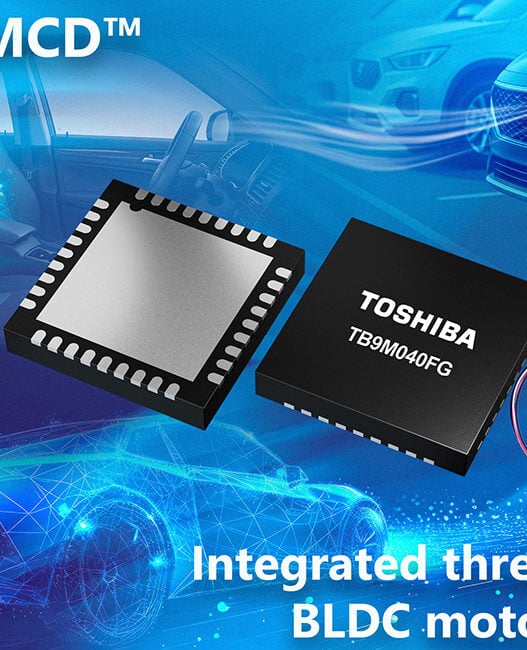
Toshiba Electronics Europe has started shipping engineering samples of the TB9M040FTG, a new addition to its SmartMCD series. The device integrates a microcontroller (MCU) with power MOSFETs for three-phase brushless DC (BLDC) motor drive, enabling direct control of small automotive motor systems operating below 40W.
As vehicle electrification continues to expand, demand for compact three-phase BLDC motors used in applications such as electric valves, HVAC dampers, small pumps, fans, and grille shutters is increasing. These applications require highly integrated solutions to reduce component count and thereby minimise ECU size.
The TB9M040FTG addresses these requirements by integrating a 32-bit Arm Cortex-M23 core, flash memory, a three-phase BLDC motor driver with built-in MOSFETs, a 5V power supply for optional components/sensors, a LIN transceiver, all within a compact 6 × 6mm (typ.) VQFN36 package.
CoolGaN family delivers up to 82% footprint reduction
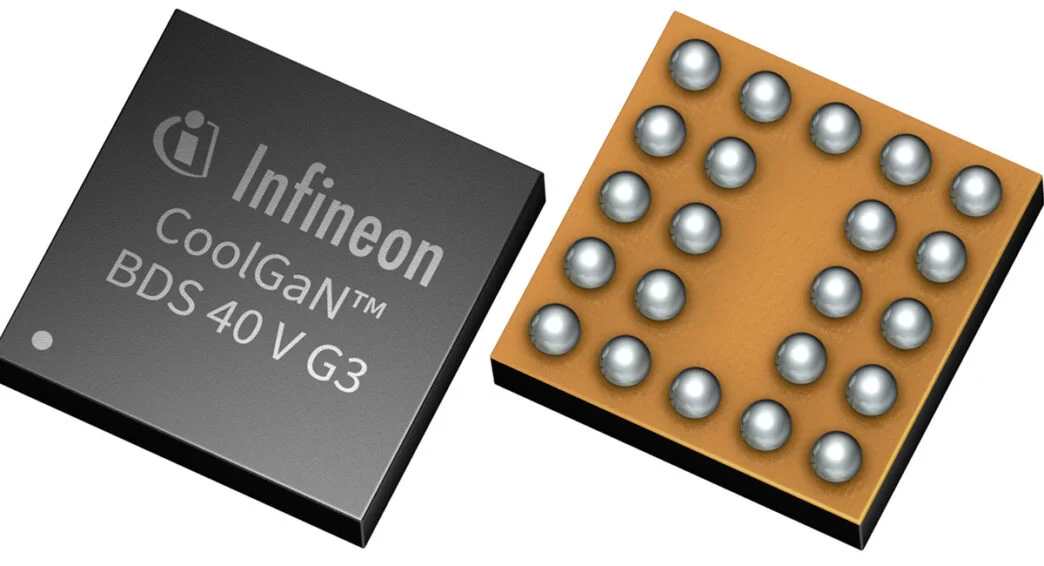
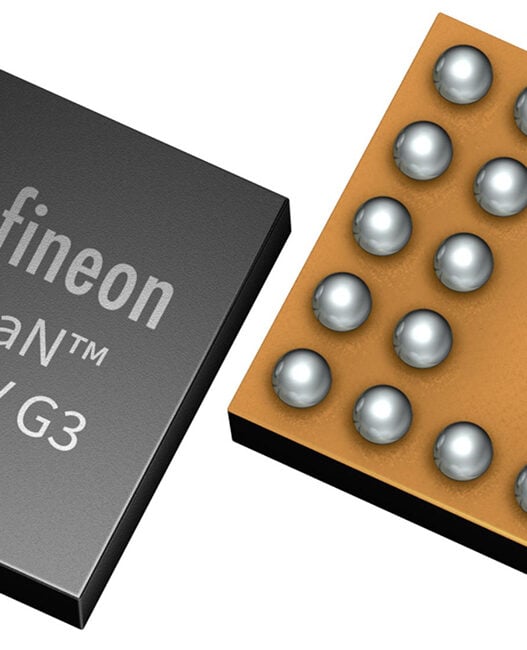
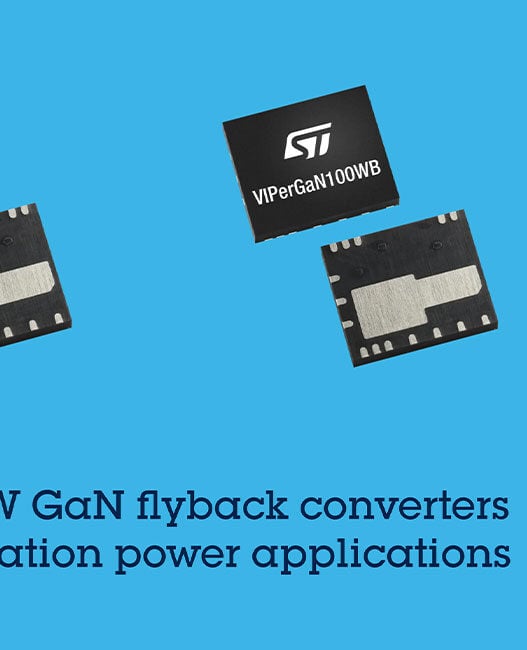
Infineon Technologies has expanded its CoolGaN BDS 40V G3 bidirectional switch (BDS) family with two new devices, the IGK048B041S and IGK120B041S. The new additions reduce PCB footprint by up to 82% and cut component count in half. For engineers designing within the strict spatial constraints of modern smartphones, notebooks, and wearables, this is a significant and quantifiable step forward. Targeting compact consumer devices, the new devices give power system designers greater flexibility to optimise efficiency and streamline designs without sacrificing performance.
“As consumer devices continue to shrink while power demands grow, engineers face increasing pressure to deliver more from less. The new CoolGaN BDS devices directly address this challenge,” said Johannes Schoiswohl, GaN Business Line Head at Infineon. “Each device integrates the function of two back-to-back silicon MOSFETs into a single component, reducing component count by half and simplifying PCB layouts. Design teams can leverage existing driver layout, avoiding costly redesigns and accelerating time to market. The result is a leaner and more cost-effective power path.”
TDK launches patented non-isolated buck-boost DC-DC converters
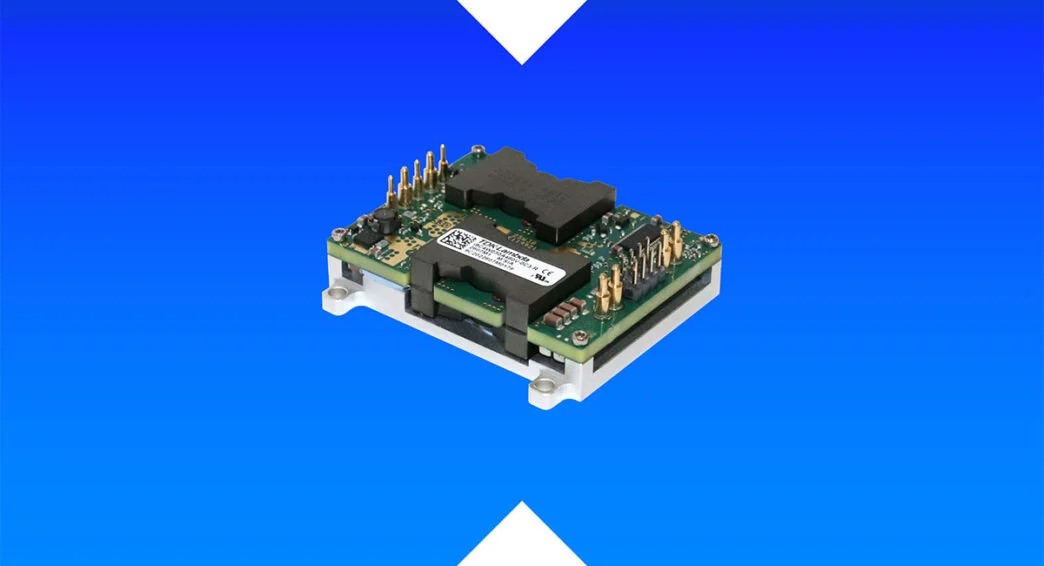
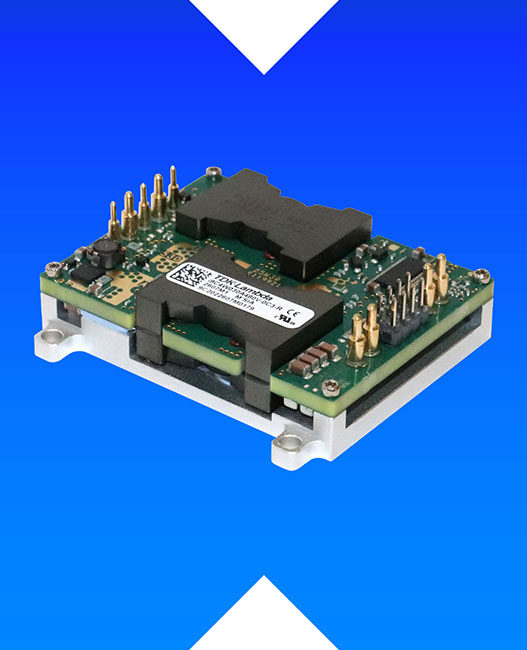
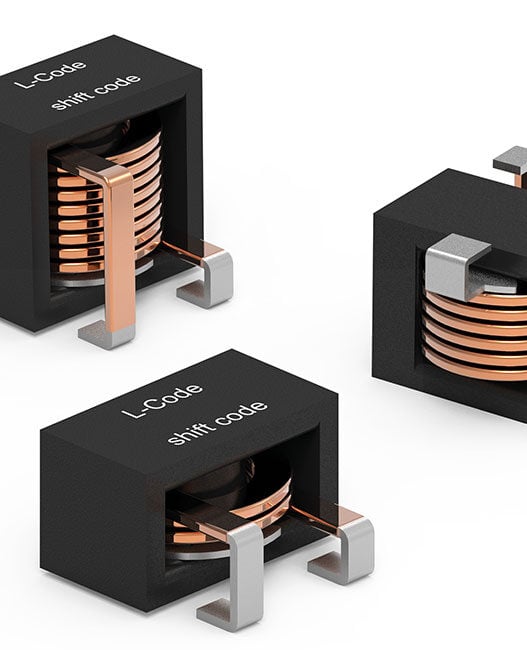
TDK Corporation announces the launch of the TDK Lambda i9C series, a 1500W non-isolated DC DC buck boost power module designed to maximise system efficiency, reduce thermal stress, and extend battery runtime in demanding industrial and battery-powered applications. The i9C series launches with a 9 – 80V input, 9.6 – 60V output model delivering up to 30 A. A second configuration supporting a 9 – 40V input range with 5 – 36V output and up to 50A is planned to follow, expanding the series’ voltage and current options.
At the core of the i9C series is TDK-Lambda’s patented programmable high-efficiency pass-through (PHEPT) technology. PHEPT allows designers to define an input-voltage window in which the module bypasses regulation and directly connects the input to the output, eliminating switching and conversion losses. When operating in this mode, efficiency can reach up to 99%, significantly reducing heat generation and improving system reliability for engineers, particularly those designing battery-powered systems.
The i9C is packaged in a compact, wide quarter brick form factor with an integral baseplate that supports convection, conduction, or forced air cooling, making it well suited for high ambient, low airflow environments. Standard control and protection features include negative logic on/off control, power good, remote sense, user adjustable overcurrent protection, low power sleep mode, and full auto recovery protection. The user-configurable sleep mode programs the power module into a low-power dissipation state during idle or light-load conditions. The adjustable overcurrent protection reduces stress on both the power module and load and helps engineers reduce or eliminate external circuitry.
XHP 2 CoolSiC high-power modules boost efficiency and power density
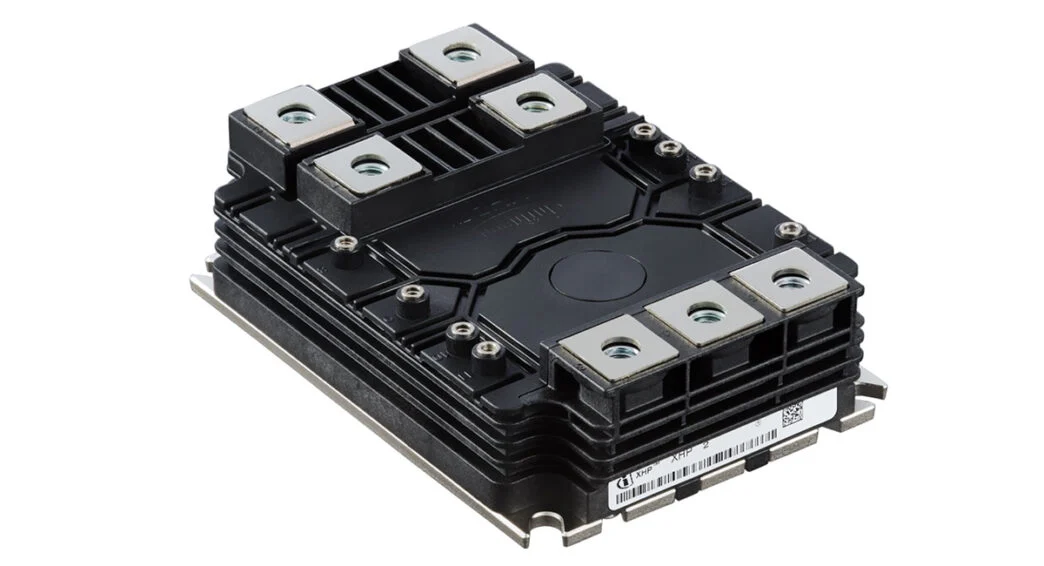
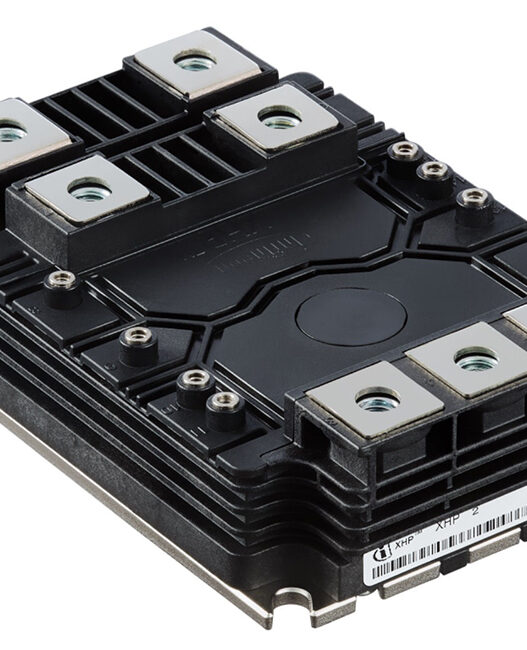
Infineon Technologies expands its XHP 2 power module portfolio with new variants incorporating CoolSiC MOSFETs 2300V, designed for high-voltage power systems. The new 2300V class devices support DC-link voltages of up to 1500V, addressing the industry trend toward higher system voltages.
The modules are available in several variants, offering on-resistance (RDS(on)) values ranging from 1mΩ to 2mΩ and isolation voltages of 4kV or 6kV. By leveraging silicon carbide (SiC) technology, the devices reduce both switching and conduction losses compared to conventional silicon-based solutions. This enables inverters to achieve higher efficiency and power density, or to operate at higher switching frequencies to reduce harmonics and system size. The new XHP 2 CoolSiC MOSFET modules are well-suited for renewable energy applications, including wind, photovoltaic, and battery storage systems.
Implemented in the XHP 2 package, the modules feature symmetrical switching behaviour for easy paralleling in large power converters and offer a standardised platform that enables developers to balance efficiency and performance according to application requirements. All variants integrate Infineon’s proven .XT interconnection technology, enhancing reliability and extending operational lifetime. The modules are also available with a pre-applied thermal interface material, simplifying assembly while supporting consistent thermal performance.
For more power product news, and the latest on the electronics industry, check out the other articles on the website.