




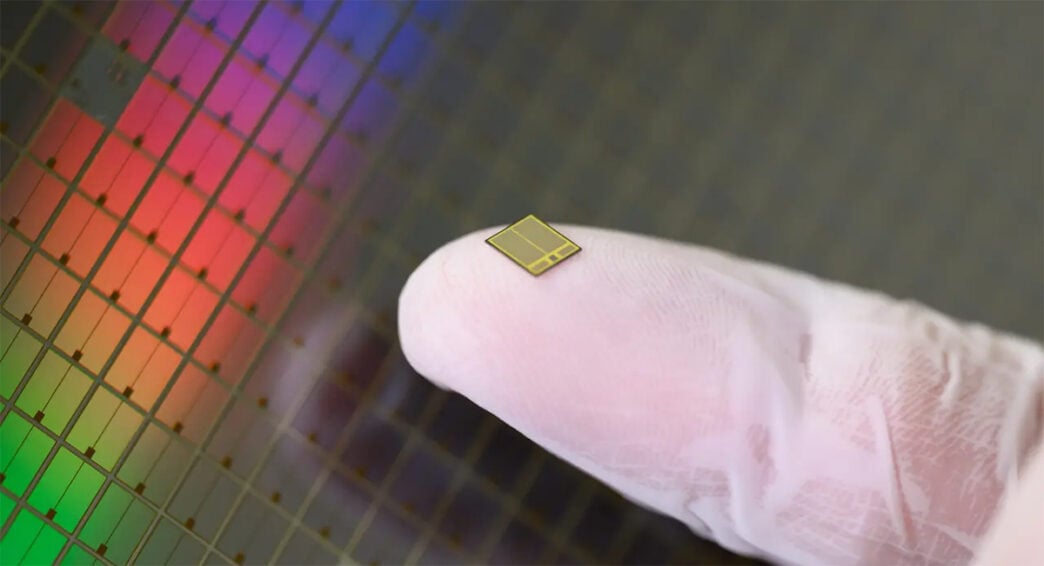
With the launch of its Gen3 SiC MOSFETs, Bosch is further advancing silicon carbide technology for high-voltage applications. Rutronik is supporting this innovation by preparing its portfolio to include the new generation of power semiconductors, addressing increasing demands for efficiency, power density and system performance.
The ongoing electrification of applications such as electric mobility, renewable energy, and industrial drive systems is driving the need for more efficient and powerful semiconductor solutions. Silicon carbide (SiC) has emerged as a key technology, offering lower switching losses, higher operating temperatures, and improved overall efficiency compared to conventional silicon-based devices.
With its Gen3 SiC MOSFETs, Bosch sets new benchmarks in performance and system optimisation. The devices are designed to further reduce switching losses, increase efficiency and enable more compact system designs. This results in significant improvements in energy efficiency and thermal management, particularly in high-voltage applications.
A key advantage of the new generation is the optimised balance between conduction losses and switching behaviour, minimising total system losses. This is especially relevant for applications with high switching frequencies and dynamic load conditions.
In addition, the Gen3 SiC MOSFETs contribute to higher power density, enabling more compact and lightweight system designs. At the same time, improved system efficiency translates into tangible benefits such as extended driving range in electric vehicles or enhanced energy utilisation in industrial systems.
The devices are designed for a wide range of applications where efficiency, reliability, and performance are critical.
All about SiC
For a deeper insight into the technology and application potential of the Gen3 SiC MOSFETs, Bosch offers a dedicated webinar. It provides developers with practical information on design challenges, efficiency optimisation, and use cases in modern high-voltage applications.
Benefits at a glance:
- Reduced switching losses for improved system efficiency
- Optimised balance between conduction and switching losses
- Increased power density for more compact designs
- Improved thermal performance
- Suitable for high switching frequencies
- Key technology for modern high-voltage applications
- Enables higher overall system efficiency and performance
Application examples:
- Electric mobility (e.g. traction inverters, on-board chargers)
- Charging infrastructure
- Photovoltaic inverters
- Energy storage systems
- Industrial drive systems
- Power electronics for energy and automation systems