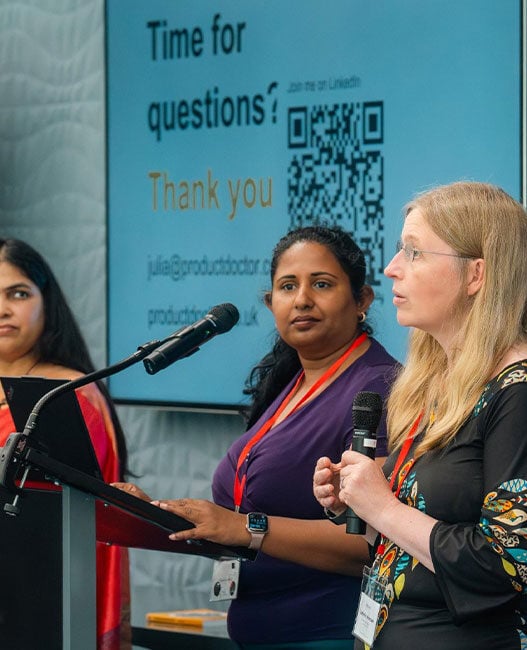









Karen Keenan has a career that spans engineering, consulting, and operations – each progression building experience and expertise. She is now COO of Delft Circuits, expanding the company’s quantum fabrication infrastructure in the Netherlands.
Knowledge take-off
Keenan decided at 15 that engineering was the path for her, opting to study aerospace engineering at TU Delft: “I thought, if I have to engineer something, I think engineering something that can fly is the coolest thing to do.” When her maths teacher said he wasn’t sure she could manage it, that only strengthened her resolve.
Aerospace is one of the Netherlands’ most demanding disciplines, and Keenan quickly noticed she was in a minority. “Being in male-dominated environments has been normal since I was 18. It can be both an advantage and a disadvantage – you see things differently, but some people will always make assumptions.”
She experienced bias first-hand: “I have had moments of sexism where people made me feel insecure on purpose, and I didn’t even realise it was sexism at the time. Now, with more life experience, I can see it for what it is.” The experience shaped her advocacy: “It’s especially important at universities to be aware of unconscious bias – and to make sure that teachers and professors are too.” Undeterred, she completed both her Bachelor’s and Master’s degrees, though internships left her craving more responsibility.
Speaking business
After graduating, Keenan pivoted from aerospace into consulting, joining the Boston Consulting Group (BCG) – an experience she describes as her paid MBA. She gained broad corporate skills but missed the technical side: “Looking back, I would have been just as happy going to work in a technical startup,” she says.
She eventually left BCG to pursue exactly that. Unable to find the right opportunity in the Netherlands, she and her now-husband moved to Mexico – a three-month plan that stretched to seven years. She joined Zebrands, eventually becoming COO and scaling the company from 35 to more than 800 employees, with revenue growing from $5 million to over $100 million.
Her promotion to COO prompted an outpouring from female colleagues: “I got so many messages saying ‘We’re so happy there’s now a woman at board level, especially in an operational, manufacture ing-heavy role.’ That motivated me – maybe even more than the job itself – to show other women that it is possible.”
Each career chapter has given Keenan a distinct lens: “When you study engineering, you know you can solve hard problems. When you go into consulting, you can solve any problem 80-20 – within weeks you can say something smart about any industry. In a startup, it’s just doing it yourself. I really learned to be optimistic and confident about making things happen.”
Entering the quantum space
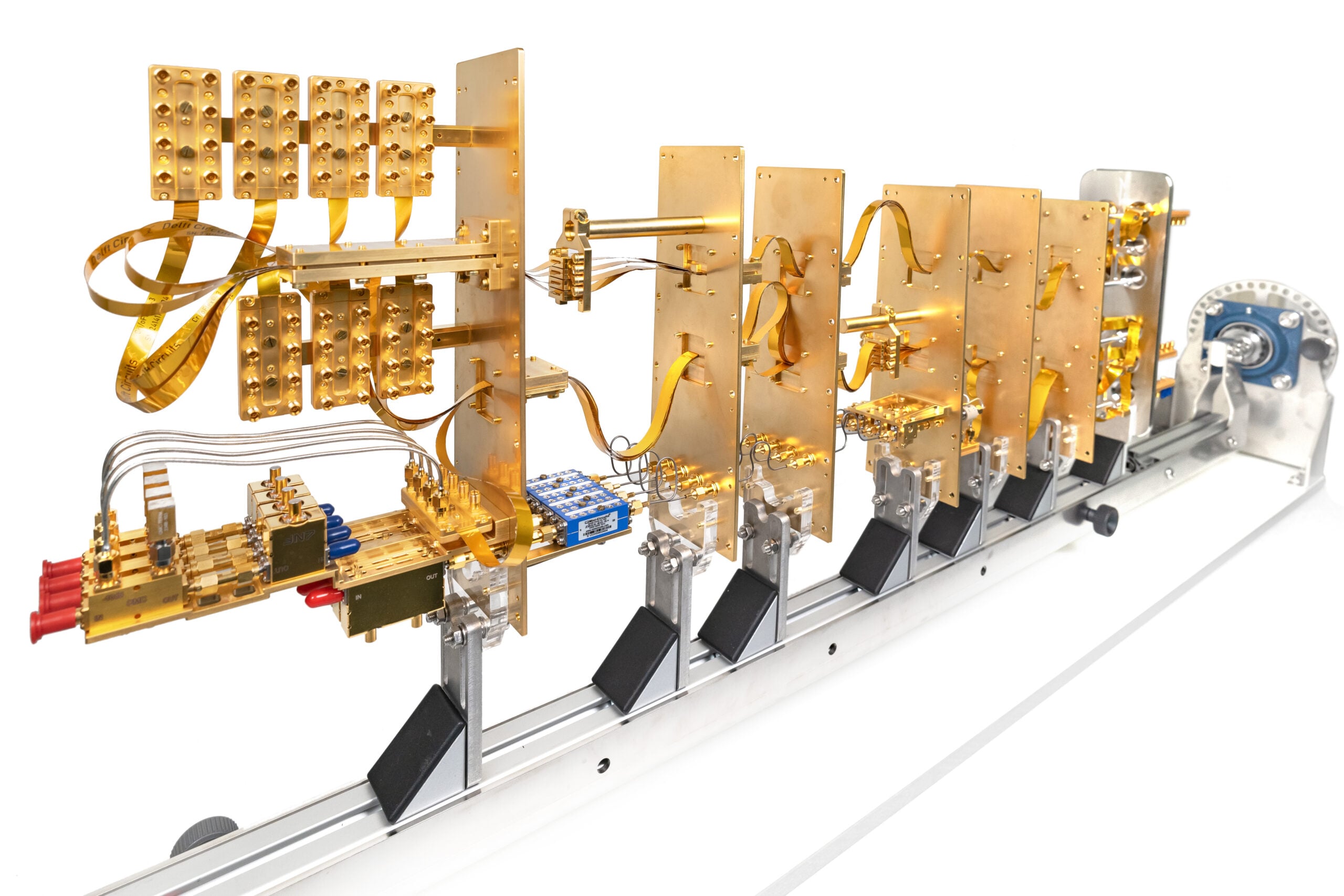
Keenan eventually returned to the Netherlands and began looking for a role in a more technical environment. She found it at Delft Circuits, a deeptech company developing cryogenic cable systems for quantum computing infrastructure. “I really wanted to work in a space where things are moving, evolving, innovating – where you go to a conference, and the latest thing is being presented. Quantum in the Netherlands, especially with Delft, is a hub for that.”
Though her role is similar to Zebrands’ in terms of scaling the company, keeping people motivated, hitting targets, and managing risks, she is also learning a lot about the technical content of the company: “I’m not going to be the quantum expert, I just want to understand a little more than I did before.”
Speaking about gender representation at Delft Circuits, she says that the company: “has around 30% women, which is genuinely good for a deeptech hardware company. But this is a collective effort – government and companies, large and small, all have a part to play. I’ll look for opportunities where we can help, whether through programmes that go into high schools, to show what’s possible.”
As for her advice to young women considering deeptech? “You can move sideways – transferable skills are more powerful than people realise. Check whether the company already has some representation; that matters. And once you’re in, find mentors. If you’re deliberate about your personal development, you’re already 10 times ahead.”
This article originally appeared in the June’26 magazine issue of Electronic Specifier Design – see ES’s Magazine Archives for more featured publications.