









Almost 40 years ago, inspired by the ‘Year of Women in Engineering’ in Ireland, aged 16, I decided I wanted to ‘learn how to make a computer do something’. I was one of just 12 girls in a cohort of 120 studying engineering, and while women are now estimated to make up 22% of the technology workforce, there is still a long way to go when it comes to bringing diverse perspectives into technology and engineering roles.
Diversity of thought is particularly important today, as our world and the systems underpinning it become increasingly connected. The problems engineers face are more complex, and solutions being developed must also serve a wider range of people, industries, and communities than ever before. Addressing today’s vast global challenges – from sustainability and supply chain resilience to healthcare and resource management – requires more than technical expertise; it requires diverse perspectives.
One lesson I have taken from my experience in engineering is that the best ideas rarely come from a single perspective. Time and again, I have seen how teams made up of people with different backgrounds, experiences, skills, and viewpoints are better equipped to challenge established ways of thinking and approach problems from new angles. In the connected technology ecosystem, this diversity of thought plays an important role in how we design and develop engineering solutions that are not only technically effective but also respond to the needs of the people and communities they serve.
Powering smarter outcomes
I have always been fascinated by how engineering presents a unique opportunity to solve real-world problems, power systems that result in smarter outcomes, and make a difference to people’s everyday lives.
This sentiment has carried through into my career in myriad ways, including co-founding Preoptima, an AI SaaS company enabling real-time carbon emissions management in construction. Helping to reduce the industry’s environmental footprint and accelerate progress towards climate targets has a real, tangible impact on our society, while also lowering costs and regulatory risk for companies in the sector.
In my role as President & CEO of the RAIN Alliance, I am also involved every single day in making decisions that improve how we can interact with everyday items. RAIN RFID technology enables organisations worldwide – across the retail, logistics and supply chain, healthcare and aviation industries, to name but a few – to achieve greater efficiency, sustainability, and circularity. There is tangible impact within the RAIN ecosystem for engineers to enhance lives, empower industries, and help to build a more sustainable, intelligent future.
Engineering often operates ‘behind-the-scenes’, underpinning the systems that power entire industries and impact how they interact with their environmental, regulatory, and operational obligations. This is what brings purpose beyond the profession, and beyond the ‘hard’ technical skills that often spring to mind and can, at times, intimidate those considering a career in technology or engineering.
Beyond the technical
It is important for us as an industry to break down these misconceptions – particularly for women – and demonstrate the breadth of skills required and opportunities on offer from a career in engineering.
Engineering is fundamentally about solving problems, improving lives and shaping the world around us. To generate maximum impact, it requires diverse perspectives and a diverse range of skills, including analytical thinking, creativity, resilience, communication, and collaboration. All of these capabilities also open doors for people to broaden their experience throughout their careers.
What makes the profession particularly exciting today is the breadth of opportunities available. Whether your passion lies in designing innovative technologies, tackling sustainability challenges, improving healthcare outcomes, or helping businesses operate more efficiently, there is a place for a wide range of talents, perspectives, and ambitions within the industry.
Inspiring the next generation
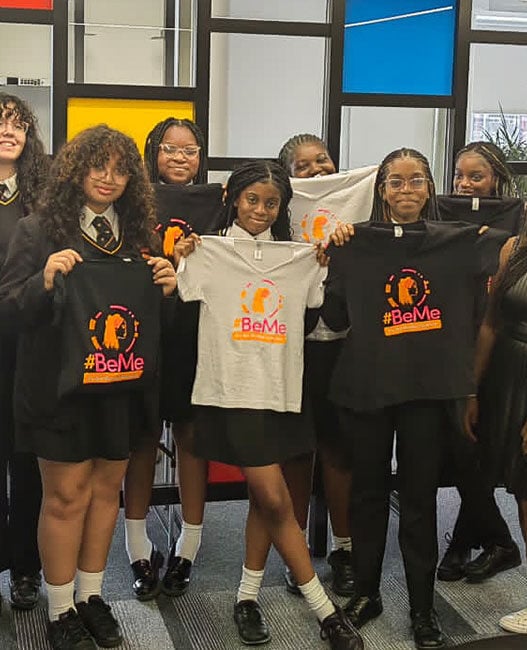
It is encouraging to see more women recognising engineering as a career where they can thrive, lead, and help shape the future. The challenges facing society and the planet are increasingly complex, and solving them will require diverse teams that reflect the communities they serve. By continuing to attract and support people from different backgrounds, we can inspire the next generation of engineers and ensure that the technologies of tomorrow are more innovative, inclusive, and impactful for everyone.
Engineering intelligence is not created by technology alone; it is built through different perspectives and imaginative ideas from those who conceive of and design solutions. Inspiring more women to pursue engineering careers is therefore not only about representation, but it will also help to ensure we have the broadest possible range of perspectives to solve the challenges of the future.
Stay up to date with the latest Women in Tech and engineering news at Electronic Specifier.