








International Women in Engineering Day (INWED) is a day to celebrate women in engineering. Not only their ability to create change to improve the lives of both men and women, but also their ability to do this whilst pushing for a brighter and more hopeful future for other women in the sector, against any and all societal odds – which are often stacked against them. One such woman who has recently come to my attention is Judith Love Cohen. Cohen worked on the guidance computer for the Minuteman missile. She helped build the ground system for the Tracking and Data Relay Satellite. She contributed to the Hubble Space Telescope. And in 1970, she helped to design the Abort-Guidance System that brought the astronauts of Apollo 13 safely back to Earth. During her lifetime, she was also a ballerina, author, publishing powerhouse, oh, and she’s also Jack Black’s mum (yes, that Jack Black!).
A mini mathematician
Cohen was born in Brooklyn, New York, in 1933. By the time she was around 10 or 11 years old, her classmates were apparently paying her to do their maths homework. In junior high, she was the only girl in her intermediate algebra class. When she reached high school, a guidance counsellor told her that girls didn’t go into maths or science. She was told to consider finishing school instead. Fortunately, Cohen disregarded the advice, won a scholarship to Brooklyn College, and enrolled as a maths major before switching to engineering.
Dancing with engineering
While she studied engineering in Brooklyn, Cohen was also a working dancer, and by the time she was 19, she had joined the Corps de Ballet of the New York Metropolitan Opera Ballet Company and danced professionally in parallel to her engineering training. She kept both disciplines going at once until she met Bernard Siegel at the end of her freshman year. The couple married and moved to Southern California, where Cohen completed her Bachelor’s and then Master’s Degree in electrical engineering at the University of Southern California. She also raised three children along the way.
A most dedicated engineer
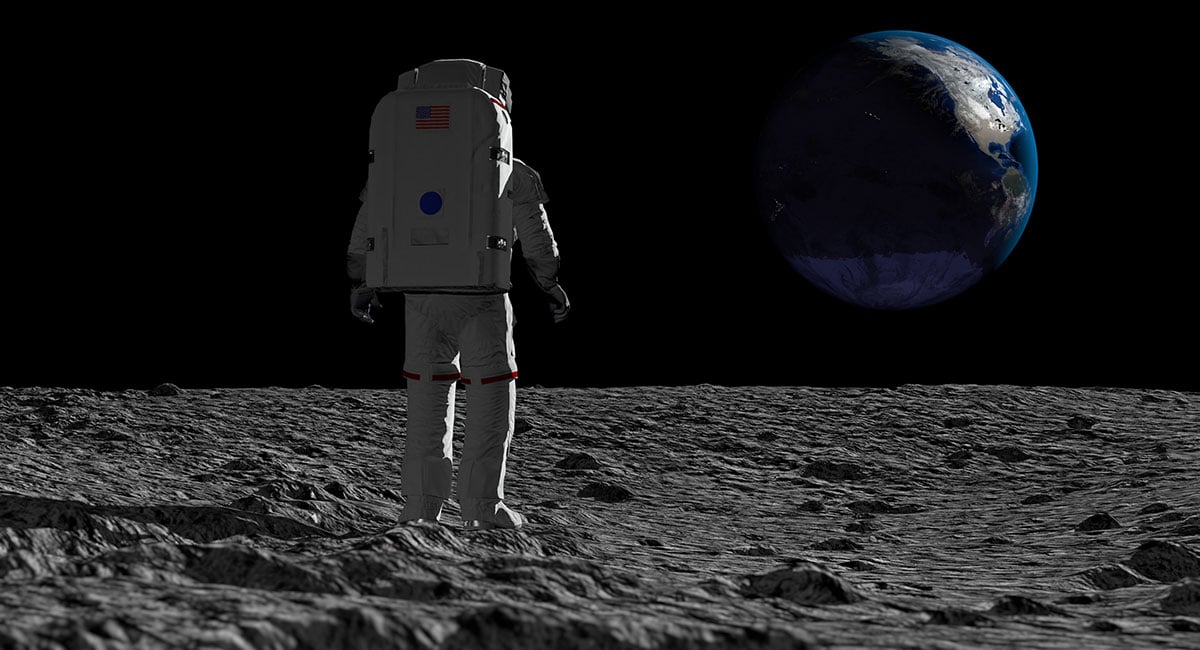
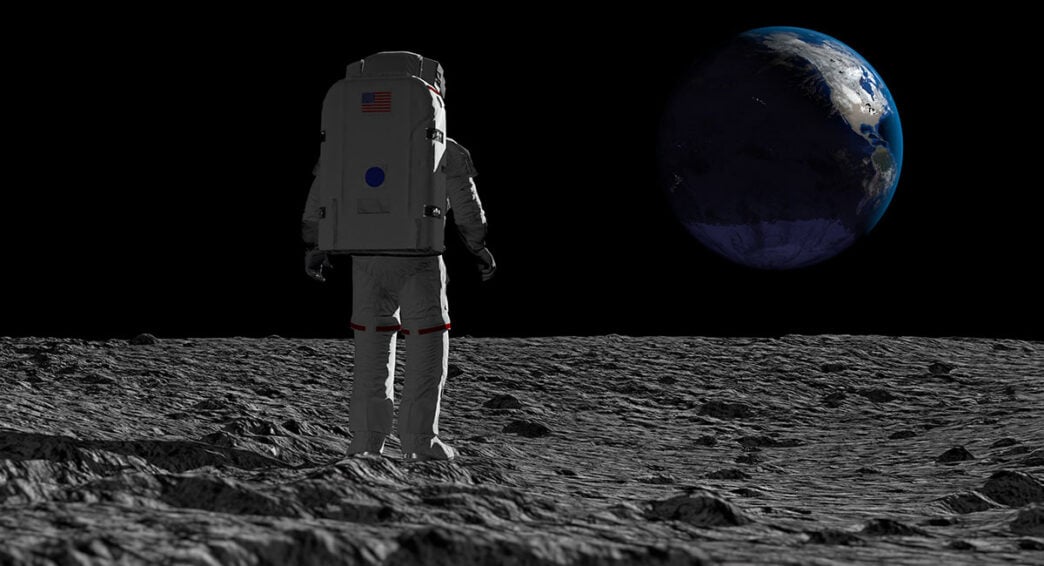
Cohen spent decades working as an aerospace engineer and was frequently the only woman in the room. During this time, she worked on the guidance computer for the Minuteman missile, the ground system for what became the Tracking and Data Relay Satellite, and instrumentation for the Hubble Space Telescope. She also contributed towards the design of the Abort-Guidance System of the Lunar Excursion Module on the Apollo programme. This system was a backup navigation system designed to bring astronauts home if the primary system failed. And failed it did. In 1970, an oxygen tank ruptured aboard Apollo 13, and that backup system, built from work Cohen and her colleagues had done, guided the spacecraft and its crew back to Earth. She later said it was the achievement of her career she was proudest of. Cohen evidently loved her career as an engineer, and she did not let her dedication become sidetracked by many other things. On the day her fourth child was born, she had a printout of an unsolved problem from the office, took it with her to the hospital, and called her boss after the birth to tell him she’d worked it out.
Publishing what no one else would
After retiring from engineering, Cohen turned to writing. She wanted to put into words the thing she had spent a working life proving, which is that young women and girls can be engineers, astronomers, architects, scientists, and anything they choose. However, publishers were not interested. So, much like the grit Cohen showed through her life, she didn’t stop. Her belief and passion were not to be deterred by a few simple ‘nos’, and so Cohen started her own company, Cascade Pass, and published the books herself. The first in the series, ‘You Can Be a Woman Engineer’, was followed by more than 20 more titles that covered careers from astronomy to marine biology. Each one designed to show young readers, and particularly young girls, that a version of themselves does exist, and they could see it right there, on the bookshelf.
A foundation to build upon
Cohen worked in engineering at a time when the barriers facing women in the field were possibly higher and more openly stated than they are today. She spent her career proving that women could and should have engineering careers. Then she spent her later years trying to remove some of the barriers for women coming after her. The books she wrote and published were a way to ensure that the next generation of women in engineering would not have to be told, as she once was, that the subject wasn’t for them.
Judith Love Cohen died in 2016, having worked across ballet, electrical engineering, aerospace, and publishing. She raised her children to be successful adults. And she not only inspired women near and far, but she also had the honour of helping bring three astronauts home along the way.
Stay up to date with the latest Women in Tech and engineering news at Electronic Specifier.