




The automotive industry is evolving fast, and so staying up-to-date on the lastest technology shaping it can be a challenge.
In Texas Instruments’ latest automotive series, they present whitepapers and design resources to help you keep pace with what’s happening across the industry.
This first instalment covers intelligent and by-wire chassis systems, EV semiconductor advances, autonomous driving, 48V architectures, and SDV edge nodes. Plus, practical design resources that can be put to use right away.
So, what are you waiting for? Let’s lift the bonnet and see what’s happening.
The silent upgrade that’s changing how cars move
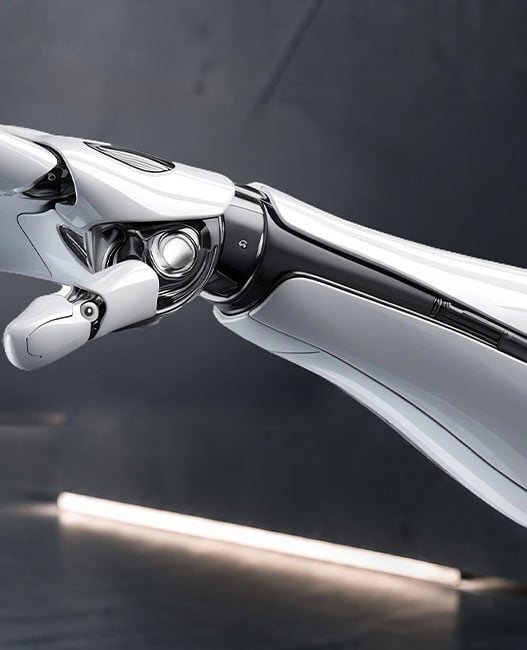
Traditionally, the systems that govern how a car moves have been mechanical: hydraulic fluid, metal linkages, steel springs. An intelligent chassis replaces those mechanical connections with electrical ones. The driver still turns the wheel – but the wheel no longer turns the tires directly. Instead, sensors capture the steering direction, processors interpret the signals in real time, and actuators at each corner of the vehicle complete the action.
Read all about how intelligent chassis are changing how cars move and feel.
How by-wire technology is reshaping steering, braking and suspension
The chassis has always defined how a vehicle feels on the road. Now, electrification and controlby-wire technologies are driving the automotive industry toward the full realization of autonomous driving, while enabling a smoother, safer and more responsive driving experience. By rapidly replacing mechanical systems across steering, braking and suspension applications, these technologies are meeting the accuracy, performance and safety requirements of intelligent chassis design.
Read more on the intelligent chassis and how by-wire technology is reshaping automotive intelligence.
Chassis control & safety
Intelligent chassis systems are reshaping how vehicles respond, adapt, and protect—laying the foundation for autonomous driving. Next-generation chassis designs move away from traditional mechanical complexity and toward simplified, lightweight, and software-defined architectures that improve ride comfort, enhance handling, and increase system efficiency.
Find out how comfort, safety, and control are being optimized for the era of autonomous driving.
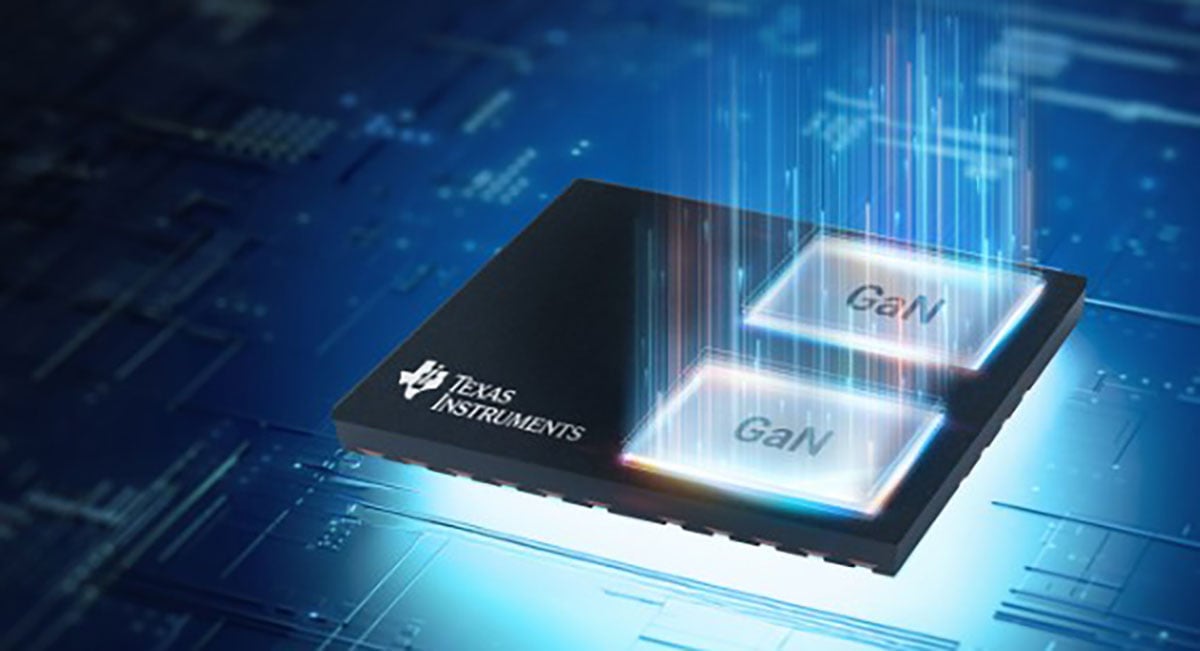
3 semiconductor technologies that are redefining the EV experience
Today’s EV drivers are traveling farther between charges. Charging times previously measured in hours are now measured in minutes. Battery systems are smarter, helping vehicles operate more consistently and with greater confidence. EVs are becoming a practical option rather than a preferential one.
Find out how collaboration-driven semiconductor technologies are transforming EVs into a practical, everyday option.
Hybrid, electric & powertrain systems
As the world drives toward vehicle electrification, semiconductors enable automakers to optimize performance, accelerate development and make electric vehicles (EVs) more affordable for more people. Advancements in EV and powertrain design are driven by the need to reduce emissions, decrease weight and boost efficiency to help keep drivers on the road longer. We are dedicated to providing the right analog and embedded processing products and in-depth support you need to design next-generation electrified cars.
Drive vehicle electrification forward with TI.
The semiconductor technology shaping the autonomous driving experience
We’re progressing toward that future, with worldwide investment in autonomous vehicles expected to grow by over US$700 million in 2028. But to understand the vehicle of the future, we must first understand how its architecture is evolving.
The vehicle of the future will be more autonomous, making driving less stressful.
But how will design engineers get there?
48V Automotive Systems: Why Now?
In recent conversations with auto manufacturers, 48V low-voltage rail has come up frequently. But why now? 48V systems aren’t new. They’ve helped improve efficiency and performance in mild hybrid electric vehicles (MHEVs) for years.
Find out why interest in 48V low-voltage rail systems is growing.
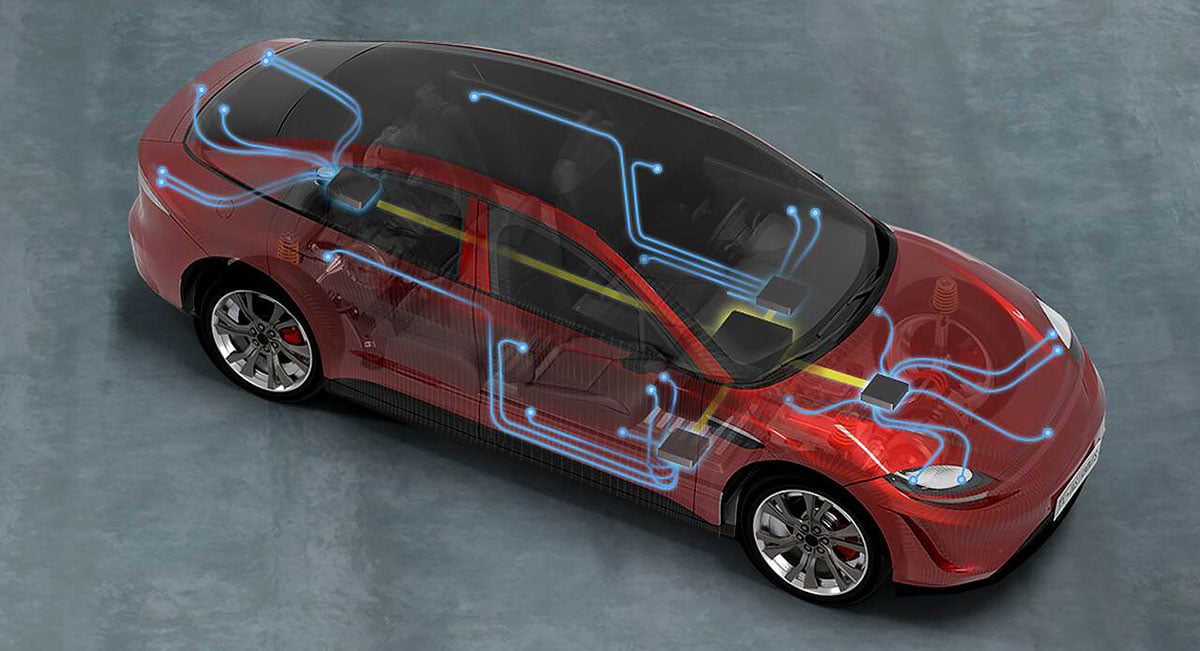
Inside Tomorrow’s SDVs: Integrating Remote-Controlled Edge Nodes
Automotive in-vehicle networking is evolving to support new features in software-defined vehicles (SDVs). As software consolidates into fewer electronic control units (ECUs) to increase scalability across vehicle platforms and streamline over-the-air (OTA) updates, a new remotecontrolled edge concept optimizes wiring while enabling scalable edge-node software.
Remote-controlled edge technology is transforming automotive networks, enabling a more centralized architecture for SDVs.