









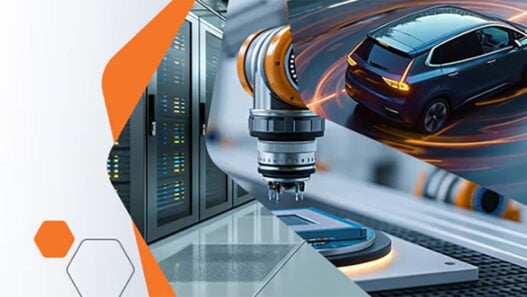
For example, smaller SoC processors help miniaturization of embedded computers, panel PCs, embedded boards, in-vehicle computers and even dedicated network security appliances. Thus, they can be used as factory automation controllers, machine automation controllers, data acquisition systems or human machine interfaces in factories, self-service kiosks or point of sale terminals in retail, in-vehicle computing platforms in transportation and switching devices in machine-to-machine networks.
Embedded ARM Solutions Trigger the Next Revolution of Intelligent Systems
The rise of Internet of Things, cloud computing and network communication has pushed the evolution of traditional embedded devices into a drastic change, transforming them into intelligent systems that are gradually becoming adopted and deployed in both general and special workplace environments, as well as environments in the everyday lives of people. These systems all have attributes including their low cost and low power consumption, and their ability to provide network connectivity.
The Super SoC Module
In the era of specialized knowledge economy, the challenge of integrating multiple silicon intellectual property cores require complex verification of various elements, including from SoC processors, firmware, drivers to operating system kernels. Therefore, a highly integrated SoC module, comprising both hardware and software elements, is a shortcut to reducing the development lifecycle of SoC solution and time to market.
NEXCOM’s SoC modules come with pre-verified software and hardware and support Coretex-A8, Cortex-A9 and Cortex-A15 SoC processors. The SoC modules are based on Ultra Low-Power Computer-on-Modules standard in Qseven form factor, and feature rugged, heatsink-free designs capable of operating in wide temperature environments.
Furthermore, NEXCOM’s SoC modules provide graphical user interface and contain Board Support Packages that include device drivers for a wide range of operating systems such as Windows Compact, Linux and Android, allowing customers to migrate freely between different applications to determine the feasibility of the initial prototype as early as possible during project evaluation.
To read more please click read whitepaper below.