






AI is steadily moving from a peripheral tool to something embedded directly in how engineers do their jobs.
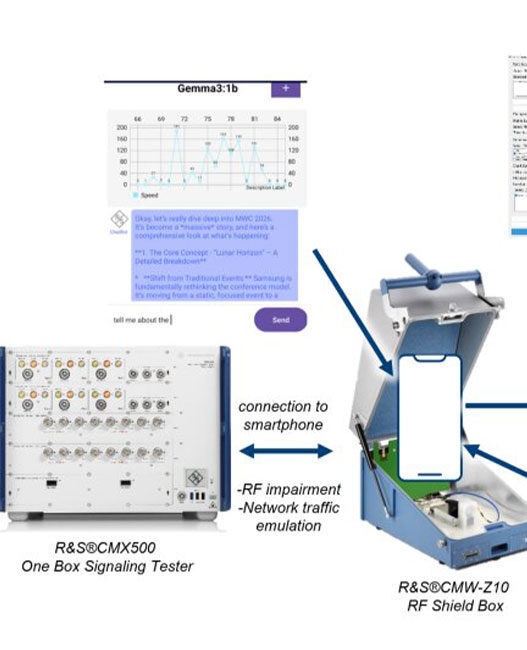
NI’s own AI platform, Nigel, is a great example of this: having launched last year in an ‘advisor’ capacity to answer questions and explain products, it’s set to gain an ‘author’ mode at the end of July, giving it the ability to generate LabVIEW code, TestStand sequences, and data visualisations from natural-language prompts, with a further ‘agentic’ mode already on the roadmap.
That kind of progression, from answering questions to actively doing the work alongside engineers, raises a bigger question about what AI means for the profession itself.
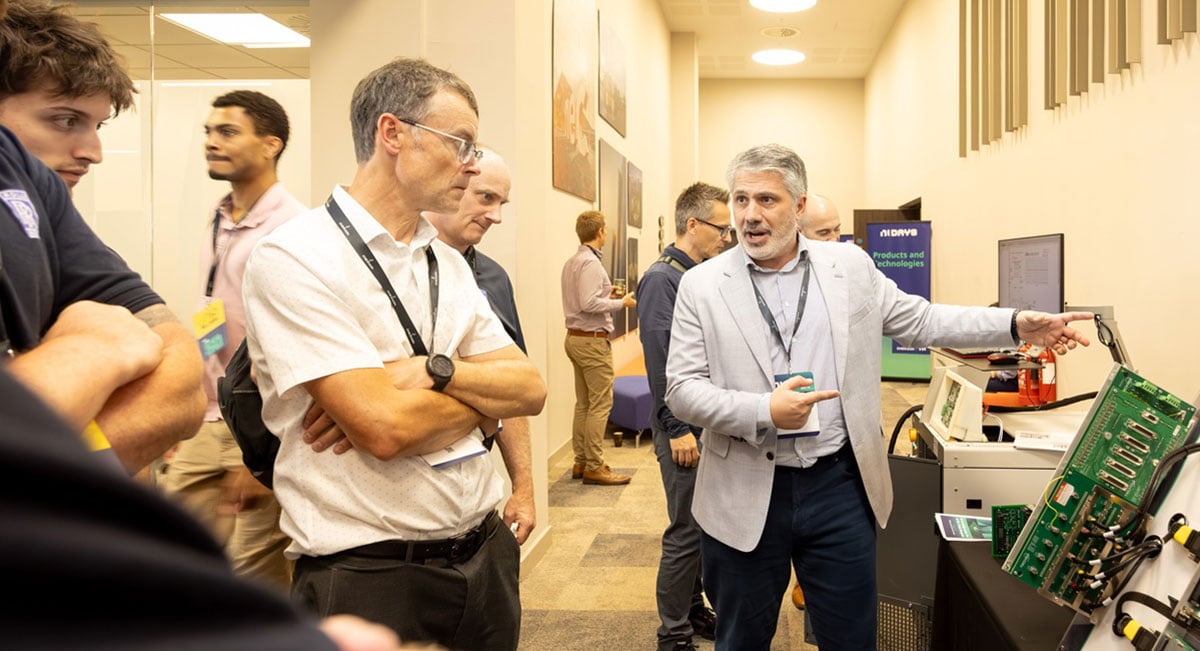
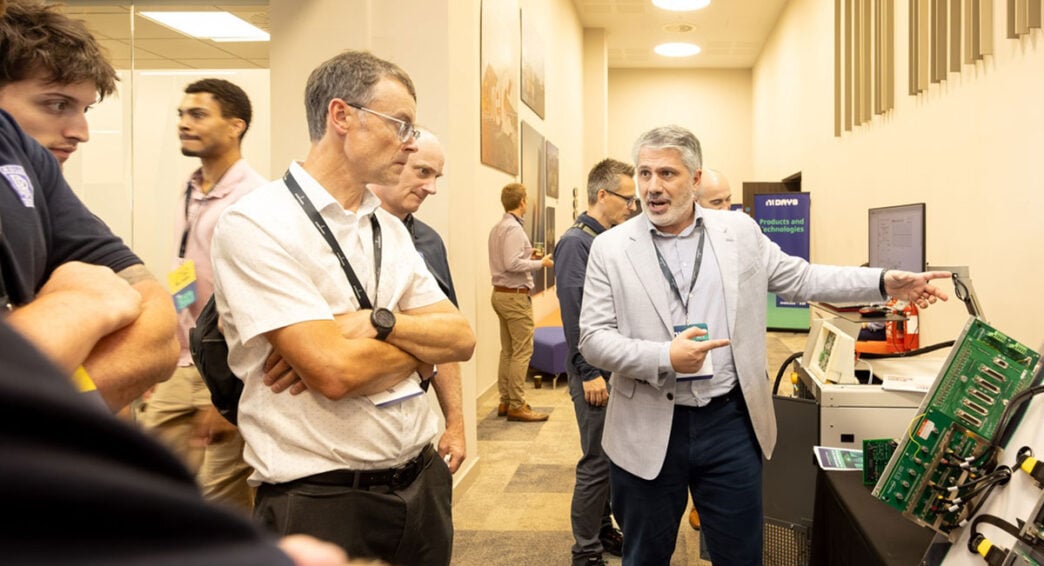
At NI Days UK 2026 in Birmingham, I put that question to senior executives from NI and its parent company Emerson: how has the role of the engineer changed in recent years, and how do they expect it to keep evolving?
From troubleshooting to systems thinking
For Kevin Schultz, CTO of Emerson’s Test & Measurement division, the shift is about scope. Schultz argued that engineers are increasingly being pulled toward a systems-level view of their work, driven in a large part by the growing importance of data. He compared the current moment to the arrival of the PC and the Internet, suggesting AI is a similarly significant shift, and predicted that engineers will effectively need to become data scientists, since data underpins how AI is applied. In his view, that shift will let engineers take on problems that were previously out of reach, rather than replacing the work they already do.
Rudy Sengupta, VP and GM of Emerson’s Test and Analytics Software business, framed the same trend in terms of complexity. Sengupta said engineers are now spending considerably more time earlier in the workflow, working to properly understand test requirements before they design systems capable of testing increasingly complex devices, and more time again analysing the resulting data. He positioned NI’s AI investment as directly aimed at that problem, intended to support engineers across the full workflow rather than at a single point in it.
Pressure on time, cost, and quality
Allan Solomon, VP of NI EMEA Sales, pointed to two forces behind the change he’s observed: increasingly abstracted tools that make engineers more productive, and mounting pressure on time, cost, and quality. Solomon described the current period as an inflection point, where he expects those pressures to intensify sharply as technology and rising societal expectations converge. His expectation is that engineers will need progressively more abstracted tools going forward, with less focus on the mechanics of the tools themselves and more on the outcomes they produce.
A real-world example: Formula One
Sean Fuller, Senior Regional Sales Manager and NI UK Site Leader, offered a concrete illustration drawn from Formula One. Fuller described how wind tunnel testing on an F1 car traditionally generates millions of data points that engineers must manually sift through to identify what is and isn’t working. He expects AI to shift that balance, reducing the amount of time spent manually reviewing data and increasing the time available for using AI-assisted insight to make meaningful design changes and iterate faster. The net effect, in his view, is less time on administrative and repetitive tasks and more time focused on performance gains.
The platform argument – and a vote of confidence in engineers
Luke Schreier, VP of Global NI Sales, Marketing and Post-Sales Services, connected these individual perspectives back to NI’s broader platform strategy. Schreier pointed to the rising complexity of both the devices engineers build and the systems used to test them, alongside sustained pressure to do more with the same or smaller teams. He also addressed a question he said engineers are increasingly asking themselves in the age of AI, will their role reman necessary at all? NI’s position is that engineers will remain essential to every future stage of designing and testing new technology, with AI acting alongside them rather than in their place.
The bottom line
Across five different vantage points a consistent picture emerged: none of the executives described AI as reducing the need for engineers. Instead, each pointed to AI as a way of absorbing the growing complexity and administrative burden of the job, freeing engineers to work at a higher level – on systems, on data, on outcomes – rather than on the manual, repetitive work that has traditionally consumed a large share of their time.