





Modern electronic systems have taken on a bigger role across nearly every industry. In a vehicle, they manage safety features such as cameras and can process data in real time. In a commercial kitchen, they keep equipment running despite heat, moisture, and constant use. What these applications have in common is that failure is not an option, and the components are expected to reliably withstand tough conditions.
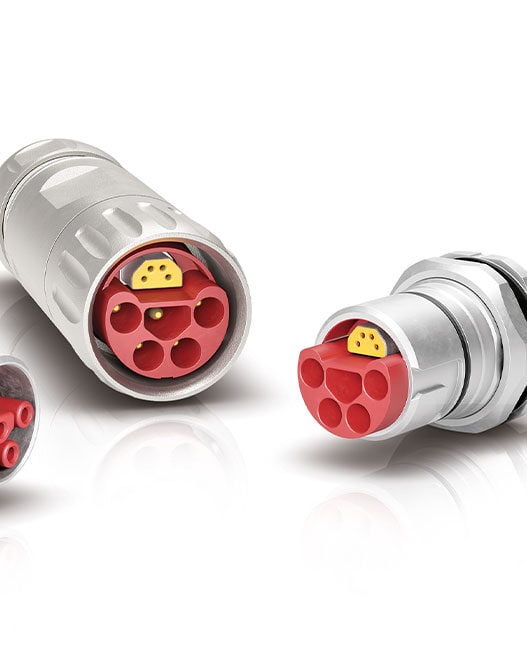
At the heart of all these systems are the cables and connectors that carry power and data. Without them, sensors would go dark, controls would lose communication, and the entire system could stop working. These cables and connectors may seem small and not that critical – until something goes wrong. Cables and connectors play an essential role in safety and ensuring machines function properly. And to ensure proper, consistent functioning, they need to be tested in some of the most demanding conditions imaginable.
The same demands required of vehicles exist in countless other environments, and the lessons learned in automotive can be applied to other uses. This is the idea behind the Molex ‘Beyond the Garage’ series, which was created for engineers working in industries beyond automotive, where systems are consistently exposed to harsh conditions.
I recently spoke with industry expert Kirk Ulery, Distribution Business Development Manager at Molex, to learn how innovations in automotive are being applied across industries during a Let’s Talk Technical video interview.
As a distributor of electronic components, DigiKey plays a key role in helping engineers across industries identify and access the right solutions, offering everything from vehicle connectors to components built to withstand industrial, agricultural, and commercial demands. These components are the foundation of nearly every electronic system.
Automotive as the testing ground
Expectations for electronic systems are especially high in vehicles. That’s exactly why new technologies are often tested in automotive. Vehicles don’t operate in controlled environments. Temperatures can be extremely high or low, moisture is often present, and vibration from driving puts constant stress on components.
The electronic systems in vehicles are responsible for vital functions where failure isn’t an option. “There’s a long-standing joke between the computer guys and the automotive guys,” said Ulery. “The computer guys say they innovate faster, but the automotive guys can counter that if you get the blue screen of death at 80 miles an hour, you’re dead.”
Because of how critical these systems are, the automotive industry has become a perfect proving ground for designing and testing electronic systems.
Taking technology beyond the garage
While the specific challenges engineers must anticipate are different between industries, the pressure put on components and the need to withstand harsh conditions are similar, and engineers need to start with the environment. Understanding what a component needs to withstand, whether that’s heat, moisture, vibration or all of these, is what leads to identifying the right product for the application.
According to Ulery, a good example of this in practice is the Molex MX150 Connector, which is part of the largest Molex product line sold on the DigiKey website. It’s a mid-current, mid-voltage system used across automotive applications, including internal combustion fuel injector modules and anti-lock brake systems mounted directly to a vehicle’s wheels. These components are regularly exposed to harsh conditions, including vibration, temperature extremes, moisture, and just overall wear and tear.
While traditionally used in automotive, a manufacturer approached Molex about using the MX150 Connector in commercial dishwashers to seal the control board in their machines. These dishwashers run seven days a week in high-heat, high-moisture environments and previously, a leak could expose an unprotected circuit board, leading to costly repairs and the machine breaking down. By using a sealed connector that was specially designed for the harsh conditions a commercial dishwasher encounters, the system is now protected. A wet circuit board previously meant fried components and an expensive repair. But now, just the outside of the machine gets wet, and it’s not a big problem. That’s a huge value for the manufacturer.
Modern data centres on wheels
Today’s vehicles are packed with cameras, sensors, and safety systems that all need to communicate at once. This puts a lot of pressure on the connectors and wiring to bring everything together. Several technologies are driving this evolution and crossing into other industries.
- 48V systems: most vehicles today run on 12 volts. Moving to 48 volts reduces current requirements, which means smaller wires, lighter components, easier routing and lower cost. Higher voltage introduces new design requirements around electrical safety, but the payoff is significant, and the same shift is being tested in other industries. Anywhere electrification is increasing system voltage, from commercial HVAC to industrial equipment, these same principles apply
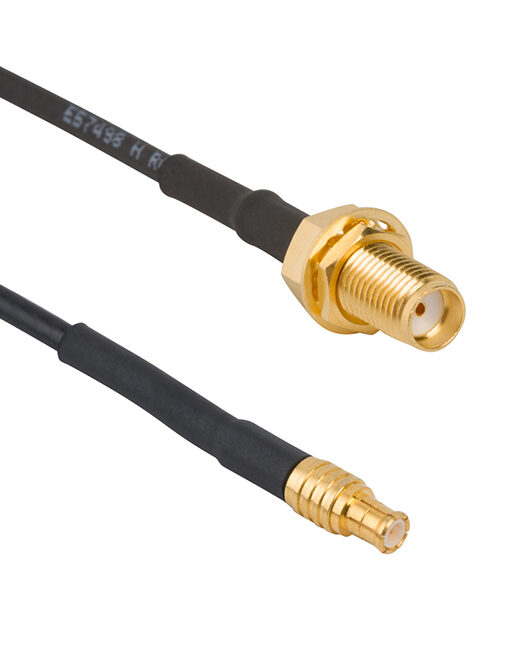
- Power over Coax and HFM: early analogue vehicle cameras required five or six pins each. Power over Coax changed that by running power and data over a single coax lead to a digital camera. It’s more common now that vehicles have surround-view cameras and advanced safety systems. The Molex High-Speed FAKRA-Mini (HFM) Connector was built to handle that in a compact, high-speed package. The same solution works anywhere multiple high-resolution feeds need to run efficiently over a single cable
- Single Pair Ethernet (SPE): standard Ethernet uses two pairs of wires. A single-pair version handles both directions over a single pair, and what makes it particularly useful beyond automotive is its interoperability: an automotive-grade connector on one end and an SPE connector on the other, for ongoing communication. That makes it a practical bridge for connecting industrial systems to vehicle-grade hardware
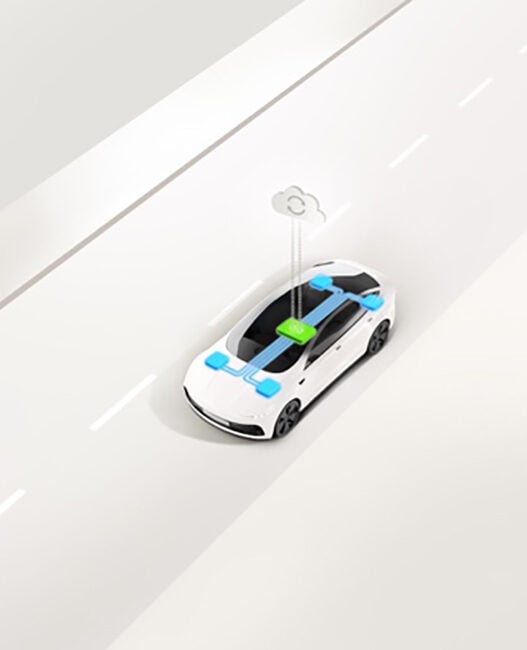
- Zonal architecture: instead of routing every sensor back to a single central controller, zonal architecture breaks a system into regions managed locally, with a high-speed backbone connecting them. That shortens wiring runs, builds in redundancy and makes the whole system easier to update and scale. The same idea is showing up anywhere complex systems need to move away from centralised control
Together, these technologies are important components of modern vehicles. And increasingly, they’re being used for other industrial and commercial products that need to meet the same rugged standard. What the automotive industry has proven is that it’s possible to build systems that hold up consistently over time. While the application may change, the expectation to perform doesn’t, no matter the industry.
For more information and to view the entire Let’s Talk Technical discussion, visit DigiKey.com.