



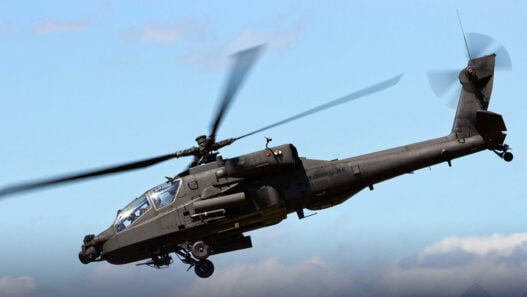




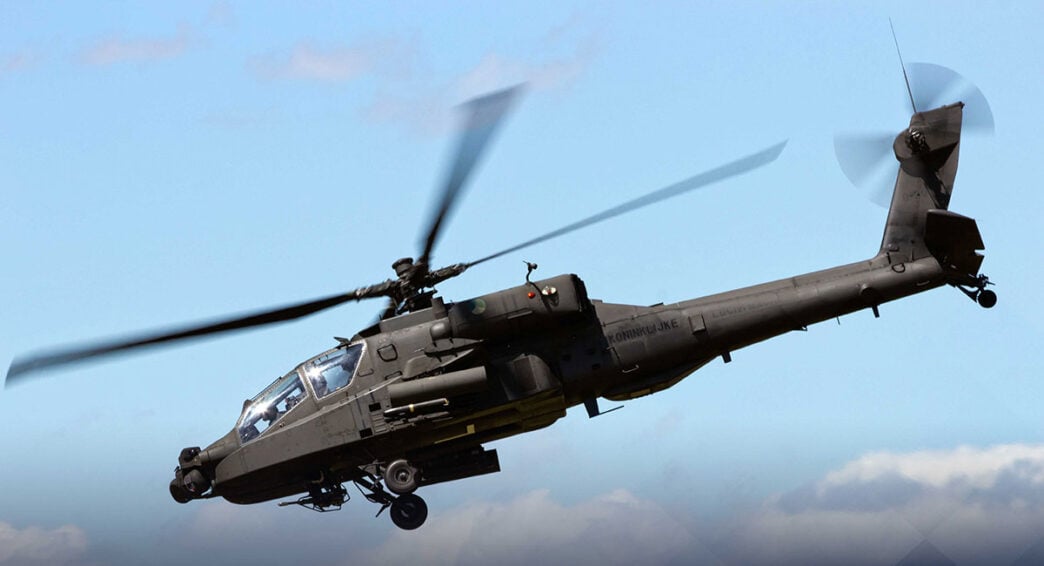
Fighter jets are complex, powerful, high-performing aircraft with extraordinary capabilities such as supersonic speed, high manoeuvrability, and extreme acceleration and deceleration. Acceleration forces in military aircraft can reach 12G and therefore place severe stress on onboard components and systems, which must continue operating reliably without interruption.
Military aircraft are also exposed to significant vibration, pressure, mechanical shock, thermal cycling, and electrical interference, all while operating at high altitude and for sustained periods of time. This makes designing and manufacturing components, modules, and systems complex, with ruggedisation and reliability being the primary considerations for ensuring performance. Interconnect solutions are a particular focus area due to the vital yet potentially vulnerable role they perform within the complex electronic systems found in modern military aircraft.
A strict standards landscape
Standards play a key role in the design and performance of electronic and electromechanical solutions for military aircraft, and interconnects must adhere to several stringent military specifications. These standards govern not only materials, but also connector construction, electrical performance, mating, and more. Among them are MIL-STD-810G, MIL-STD-461, and RTCA/DO-160. MIL-STD-810G outlines environmental engineering considerations and laboratory test methods to ensure equipment can withstand harsh conditions and operate reliably throughout its service life. MIL-STD-461 stipulates requirements and test procedures for controlling electromagnetic interference (EMI) in electronic equipment and subsystems. RTCA/DO-160, meanwhile, is the primary international standard for defining the environmental conditions and test procedures used to ensure that airborne electronic equipment functions reliably in the diverse and harsh conditions encountered during flight.
Complex and conflicting needs
Many standard connector solutions would be prone to failure in extreme and harsh conditions, risking crew safety, operational performance, and mission success. Given the necessity of mission assurance, interconnects are expected to provide robust mechanical performance and consistent, stable power, and high-speed data transfer over extended mission durations.
Designing these interconnects requires addressing multiple considerations, including environmental sealing, EMI shielding, high contact density, modularity and, above all, compliance with military specifications. All this needs to be achieved whilst also meeting stringent requirements regarding size, weight and power (SWaP) – critical elements in aircraft application design. However, some SWaP requirements may conflict with other design needs in military aircraft. For example, efforts to increase functional density and reduce system size can place greater demands on signal integrity, electromagnetic compatibility and high-speed data transmission as interconnects, electronics, and routing paths become increasingly compact. This underscores the value of combining the needs of SWaP with the stringent performance and regulatory demands of airborne military applications when innovating in this sector.
The connector contact interface must be robust enough to endure the high levels of vibration typically encountered during normal flight, take-off and landing, as well as during extreme manoeuvring. Any loosening of the contact interface could lead to signal degradation or loss, which could in turn lead to malfunctioning equipment or mission failure.
Humidity also presents a threat to contact surfaces, while wide temperature excursions, known as thermal cycling, are another concern for interconnect designers. Thermal cycling may cause connector materials to expand and contract. Because different materials expand and contract at different rates when exposed to temperature variations, mechanical stresses can occur within bonded materials and at the contact interface. This can lead to loosening of contacts or even cracking of materials. Temperature and humidity changes can also increase connector contact resistance, reducing electrical conductivity and potentially causing intermittent or full signal loss and, in some cases, connector failure.
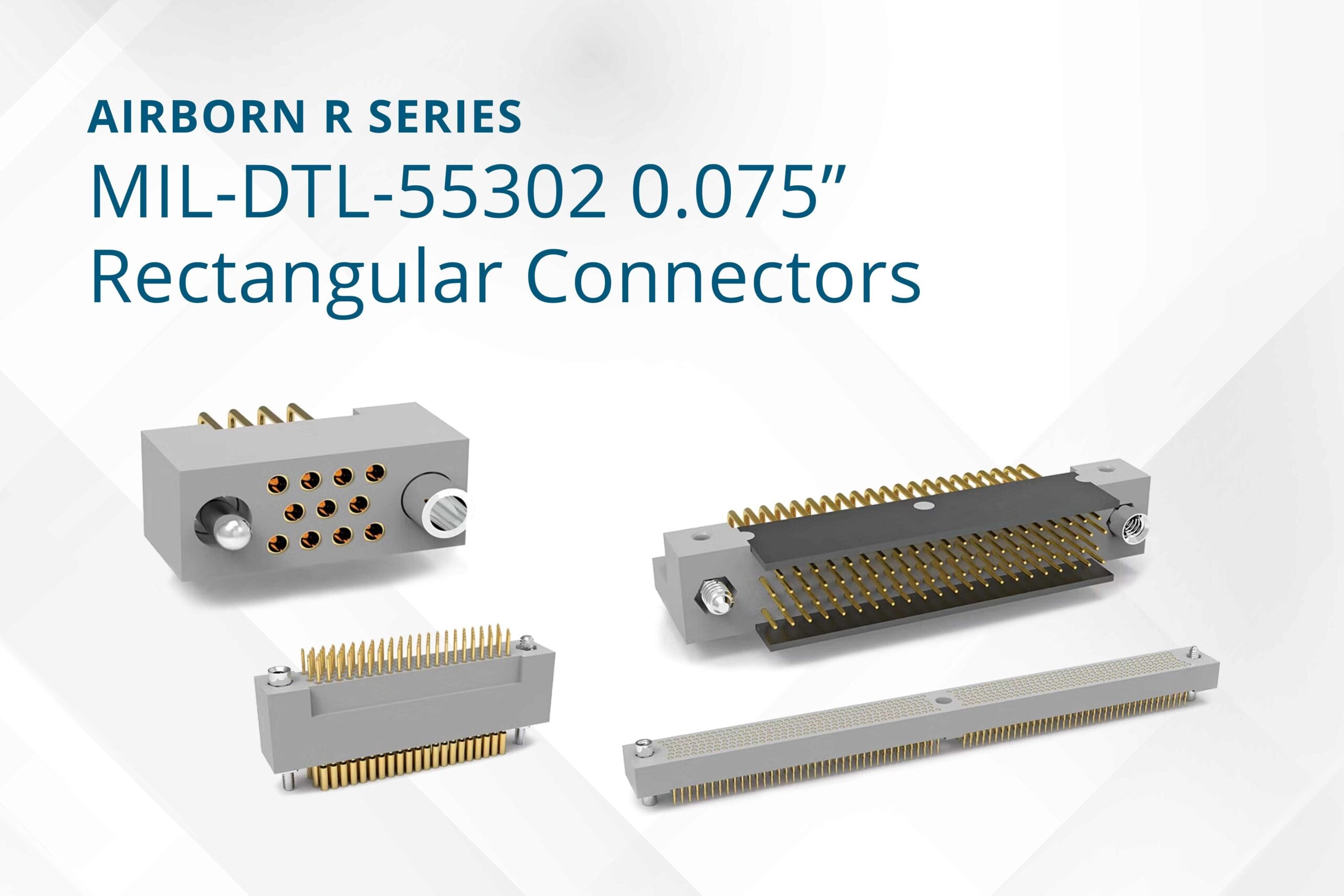
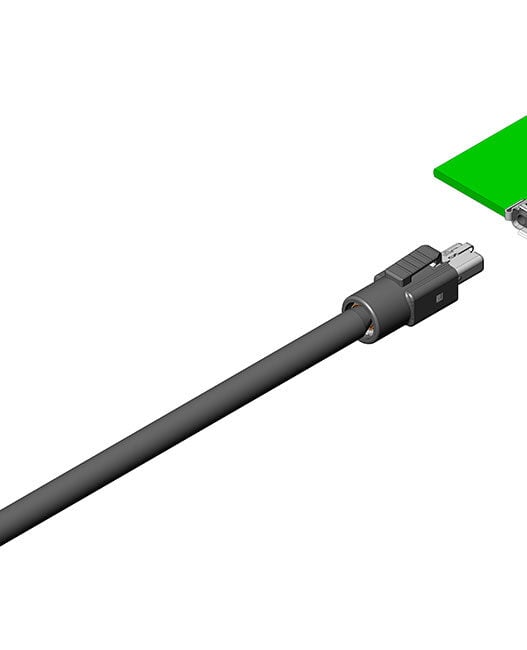
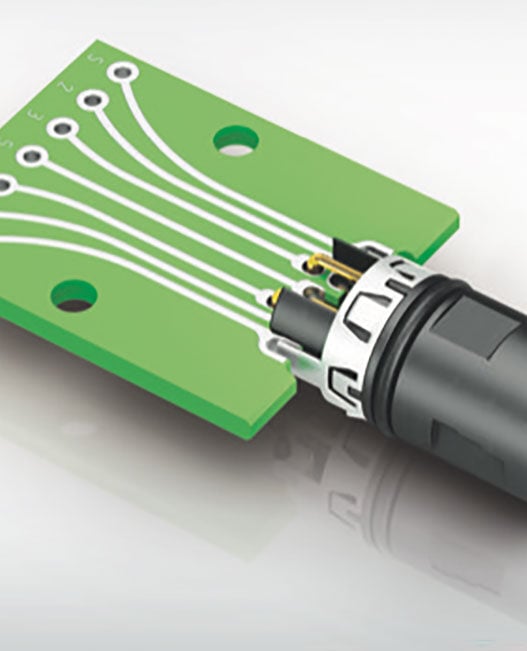
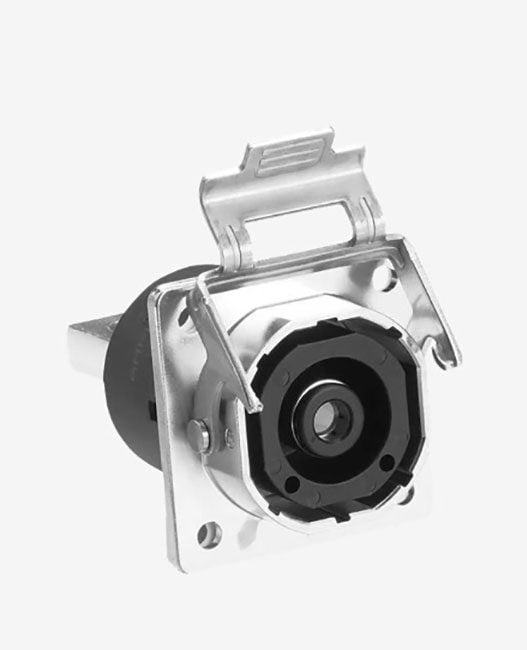
Across demanding military environments where vibration, shock, and thermal cycling are primary concerns, Molex solutions such as AirBorn R Series Rectangular Connectors and AirBorn verSI Series High-Density Connectors can provide ruggedised performance. For applications where SWaP optimisation is also critical, AirBorn N Series Nano-D Connectors, AirBorn M Series Micro-D Connectors, and AirBorn SInergy Modular High-Speed Hybrid Connectors address these requirements. They are commonly used to meet military specifications and can be used for both power and data transfer. These connectors feature lightweight materials, robust designs, and a high mating-cycle capability, which is essential for frequent maintenance of UAVs and military aircraft, enabling modular quick-disconnect and reconnect operations without worry of degradation in performance.

More electronics, more interconnect innovation focus
Military aircraft, like many other sectors, are largely moving away from mechanical, hydraulic, and other systems to electronic methods. As technological advancements are incorporated into increasingly complex aircraft and military requirements become more stringent, interconnect solutions must also evolve. In addition, the electrification and compute power of aircraft are increasing exponentially, with large volumes of mission-critical data being transmitted by a growing number of onboard sensors and systems in real time, demanding the utmost signal integrity and higher signal bandwidths.
Robust design utilising appropriate, high-quality materials secures signal integrity and ensures interconnect reliability, durability, and mechanical strength. Electrical contacts, for example, must utilise materials that combine superior electrical conductivity with robust mechanical properties to guarantee performance in operating environments typical for military aviation. Gold plating on the contact surfaces prevents oxidation and maintains long-term electrical performance in harsh aerospace environments. Connector housings and shells should be made of materials with a high strength-to-weight ratio and corrosion resistance, which might include aluminium alloys, stainless steel, and titanium.
Lightweight, high-performing dielectric materials that are reliable, durable, and adhere to military standards are used in the jacketing and insulation of connectors and cable assemblies. In military-grade applications, materials such as polytetrafluoroethylene (PTFE), fluorinated ethylene propylene (FEP), and high temperature thermoplastics are commonly used. To further protect connectors from environmental conditions, they are often also hermetically sealed to resist the ingress of moisture, dust, and corrosive chemicals such as jet fuel, oils, or hydraulic fluids that may be present.
Another challenge for connectors used in military aircraft is operation in environments where electromagnetic interference (EMI) and radio-frequency interference (RFI) can threaten the performance of critical avionics, communications, navigation, and mission systems. To maintain signal integrity, many MIL-SPEC connector designs incorporate integrated EMI filtering that suppresses unwanted electrical noise at the point of interconnection. These filtering capabilities help prevent signal degradation caused not only by onboard electronic systems, but also by external electromagnetic threats, including intentional and hostile jamming. In addition, connector shielding, typically implemented using braided copper or metallic foil, provides an effective barrier against EMI/RFI, ensuring reliable transmission of power and data throughout the aircraft’s electrical architecture.
To address the issue of limited space in aircraft, the industry has developed multi-purpose modular connectors that combine many connections performing different functions within a single interface; these can integrate data, power, and fibre-optic channels in one solution. As well as saving space, this helps reduce the need for multiple connectors that add to the overall weight, while also reducing maintenance needs and mitigating signal crosstalk or interference. Ultimately, compact modular connectors enable high-density integration of components, adding flexibility to an inherently more reliable, space- and weight-efficient solution.
A word on interoperability
Technical platforms such as OpenVPX and SOSA (Sensor Open System Architecture) enable interoperability and the seamless integration of components from different suppliers. These two standards have been created for military aircraft and include interconnects and cable assemblies. OpenVPX focuses on the hardware architecture and communications methods, whereas SOSA provides a common framework for sensor integration.
Summary
As military aircraft continue to evolve in terms of capability and complexity, the demands placed on onboard interconnect systems will only intensify. Higher data rates, increasing sensor density, and reliance, and more distributed architectures require connectivity solutions that can maintain signal and power integrity along with mechanical stability under extreme operational stresses.
In this context, ruggedisation is no longer limited to environmental protection alone, but extends to system-level design choices spanning materials science, mechanical engineering, signal management, and modular architectures. From high-performance materials and EMI mitigation strategies to compact, modular, and flexible interconnect solutions, each design decision plays a critical role in ensuring consistent performance throughout the aircraft lifecycle. For Molex, this focus is reinforced by the acquisition of Smiths Interconnect, which expands capabilities in ruggedised custom connectors, RF components, and optical transceivers for harsh aerospace environments.