








A major Cloudflare outage today (18th November) left swathes of the Internet offline, underscoring a simple truth: the Cloud, for all its benefits, remains vulnerable. As users reported “500 internal server error”, and messages and services ground to a halt, one firm’s entirely offline model offered a timely reminder of the resilience that comes with being prepared for disconnection.
Coracle, a Cambridge-based edtech company, specialises in ‘offline-first’ learning devices used in prisons. Its secure Chromebooks, loaded with educational materials from the Open University, Prisoners’ Education Trust and others, operate entirely without Internet access. They are already in use in dozens of UK prisons, supporting in-cell education safely and reliably.
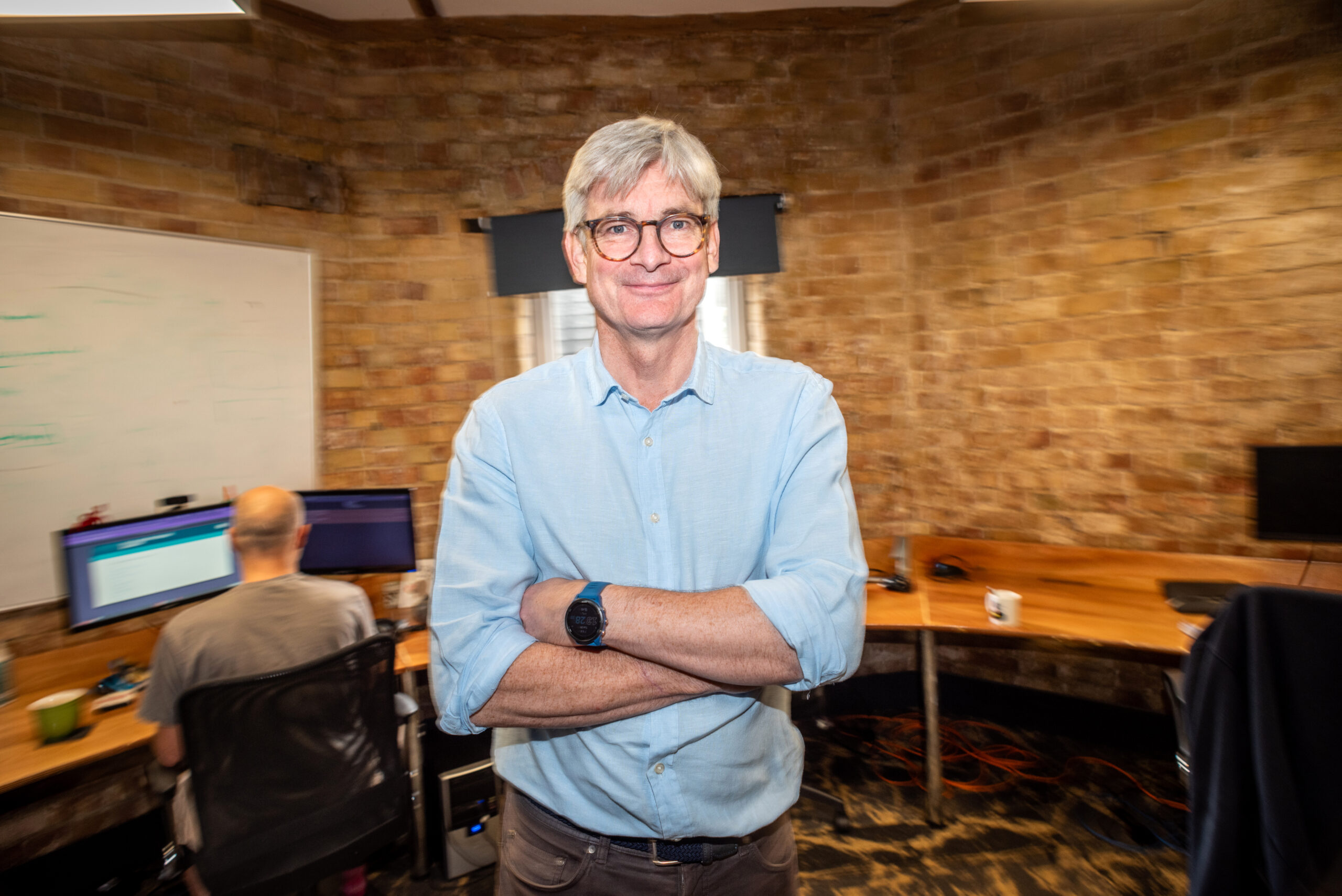
James Tweed, Coracle’s CEO, says the Cloudflare outage highlights the potential of offline-first as a future standard for education. “Our devices are pre-loaded, secure and independent of the internet,” said Tweed. “While this is essential in the prison environment, it’s also a mode that, in my opinion, could bring immense benefits to swathes of educational environments.”
“Imagine schools or hospitals deploying offline-first devices,” he suggests. “When the internet goes down – as we’ve seen today – education and essential services don’t have to stop.”
Today’s disruption is a stark illustration of how much of modern life depends on a tiny number of Cloud infrastructure providers.
Tweed’s experience through Coracle comes from a context where internet access is strictly forbidden, and the ability to teach securely offline has been mission-critical for years. “Technology alone doesn’t replace teaching, but when used thoughtfully, it brings flexibility, continuity and inclusion,” Tweed argues.
Coracle’s solution could help decouple crucial services from the whims of network availability. In an age where cloud disruption is no longer theoretical, investing in offline-first infrastructure may prove not just prudent, but essential.
As the dust settles on today’s outage, Tweed’s message is clear: “If we can make learning work when there is no internet, then we can make it work for anyone, anywhere – and not just when the cloud is healthy.”