





Engineering design rarely starts with a blank page. Each lesson from the previous project carries into the next, whether it’s designs, experiences, or methodology. Reusing ideas is a natural part of the process.
As humans, our knowledge transfer is imperfect. When we move on from a project, useful knowledge can be left in old files or archived databases, separated from the context that made it valuable. Insights irrelevant to one project might catalyse another, only to be left behind unrecognised.
This is where Agentic AI is particularly useful.
AI’s proficiency as a knowledge aggregator makes it very good at interrogating records left by previous projects and reassessing old files against new objectives. In making proven knowledge easier to navigate and apply, it can dramatically reduce the time it takes for engineers to identify and mobilise past designs for new projects.
Agentic AI takes this a step further. Finding a promising design is only the first step.
Making past work usable
A useful Agentic workflow must go beyond simple file retrieval. The value of a previous design can be inferred from the context and reasoning around the file, including which choices were fixed and which remained flexible.
This context gives engineers a firmer basis for deciding how to use an older design. An agent can compare a design with the parameters for a new project and explore where adaptation may be possible.
As a result, validation can begin earlier in the same process. When simulation and analysis tools are connected to the workflow, an agent can check the effect of a proposed change before the wider design has advanced around it. Sophisticated systems might test how a proven approach responds to the new project’s context, simulating the impact of changing variables like power budgets or physical footprint and then return the results for review. Furthermore, the tools and engines can provide insight and context at a level of detail well beyond what the human would consider or even have access to. Examples such as syntax trees and event queue orders are two examples of millions of pieces of meta data that tool-connected AI can aggregate and analyse when building the context within which the design is being developed.
Engineers can then see potential conflicts while there is still room to respond. Comparing options also becomes easier because each is being assessed in the same context and with the same operating assumptions.
Engineering judgement remains essential
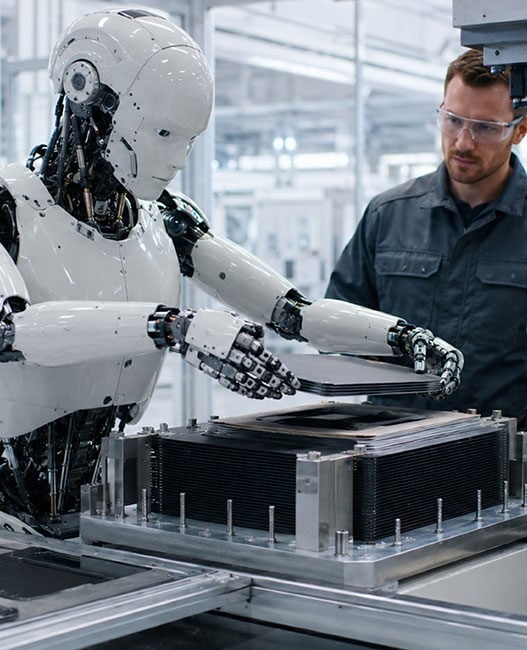
Even with the benefit of previous projects, the human layer must remain in command. Agentic AI can broaden the available evidence, but engineers remain responsible for approving an option and validating the result.
In the UK, we’ve seen a practical example recently with Ford. The Guardian reported in June that the carmaker has hired 350 veteran engineers over the previous three years, specifically to make up for a lack of quality from automated systems used in design and manufacturing checks. Their role includes spotting failure points before parts reach production, feeding their specialist knowledge back into the tools.
Such judgements depend on what the finished design must do and the consequences if it fails. To test this, teams introducing Agentic AI should start with one repeatable task where design reuse consumes time. The relevant material can then be curated around that workflow, with its provenance and validation status kept visible to the agent.
This creates a manageable test without requiring the entire design environment to change at once. The outcome should be judged against the problem the pilot was meant to solve.
If searching for a suitable reference is the bottleneck, the first measure is whether the agent shortens that task without adding more review later. The team can then compare how the assisted workflow affects design changes and repeated simulation work. This evidence will show whether the approach genuinely improves the process and where engineering oversight still needs strengthening.
Engineering knowledge becomes more valuable when reused with its original context intact. Agentic AI offers a way to make that accumulated experience easier to apply across future projects.
Each completed design can then strengthen the starting point for the next, while engineers retain responsibility for deciding how far earlier work should shape a new solution. That is how agentic support can help organisations turn past work into a durable engineering capability.