







Samsung has announced a clinical breakthrough that could open the door to real-time syncope warning systems embedded in consumer wearables, following a joint study with Chung-Ang University Gwangmyeong Hospital in South Korea.
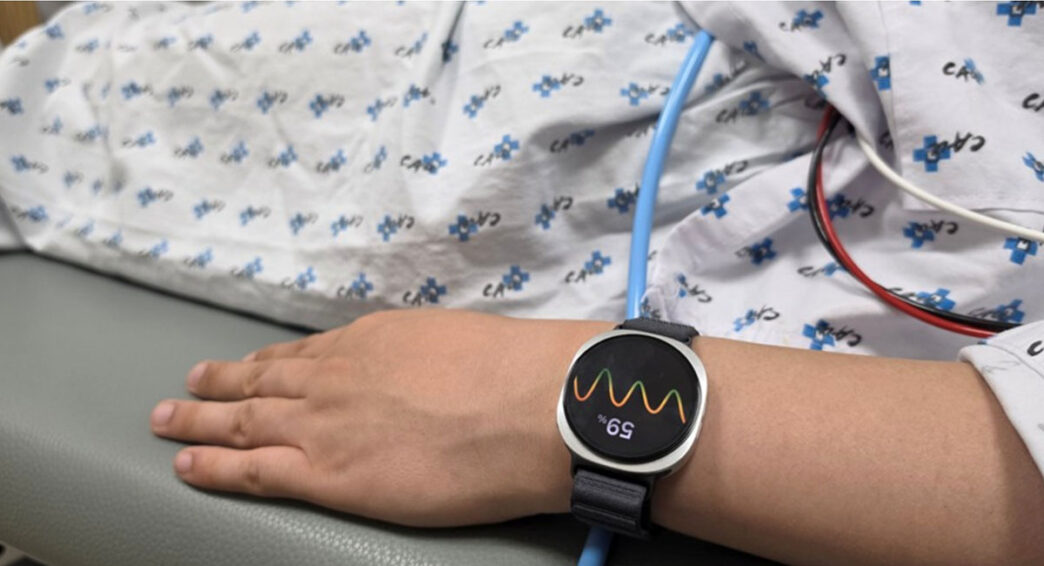
The research validated the ability to predict vasovagal syncope (VVS) – a sudden, stress-triggered drop in heart rate and blood pressure that causes temporary loss of consciousness – using biosignals captured by the Galaxy Watch6. It marks the first time a commercial smartwatch has been shown capable of providing early syncope prediction.
The condition affects up to 40% of people at some point in their lifetime, with a third of those experiencing reoccurring episodes. While fainting itself is rarely life-threatening, the falls it causes can lead to serious injuries including fractures and concussions.
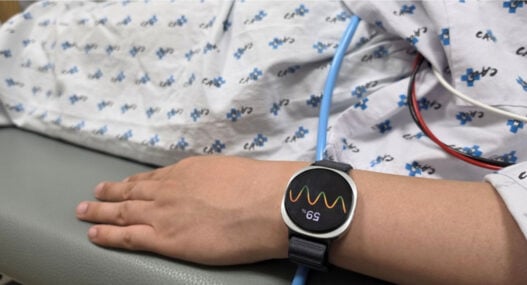
The study evaluated 132 patients with suspected VVS during medically induced fainting tests. A Galaxy Watch fitted with a photoplethysmography (PPG) sensor collected heart rate variability (HRV) data, which was then processed by an AI algorithm. The model was able to predict an impending fainting episode up to five minutes in advance, achieving 84.6% accuracy with a sensitivity of 90% and a specificity of 64%.
That advance warning window is clinically significant. As lead researcher Professor Junhwan Cho of the hospital’s Cardiology Department noted, even a brief heads-up could give patients time to adopt a safer position or summon help, substantially reducing the risk of injury.
For Samsung, the study represents a broader strategic direction in health tech. Jongmin Choi, Head of Health R&D at Samsung’s Mobile eXperience Business, framed it as part of a shift from reactive to preventive care – using wearable sensor data and AI to intervene before a medical event occurs rather than after.
“This study is an example of how wearable technology can help shift healthcare from being designed for ‘post-care’ to a model of ‘preventive care,’” said Choi.
Samsung has indicated it intends to extend the health monitoring capabilities of its wearable range and deepen partnerships with medical institutions, with a view to advancing personalised, preventive health solutions.