

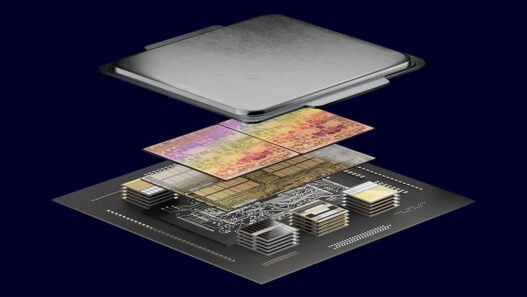





Electronic Specifier takes a look at the top 5 IoT products to have been released in November 2025.
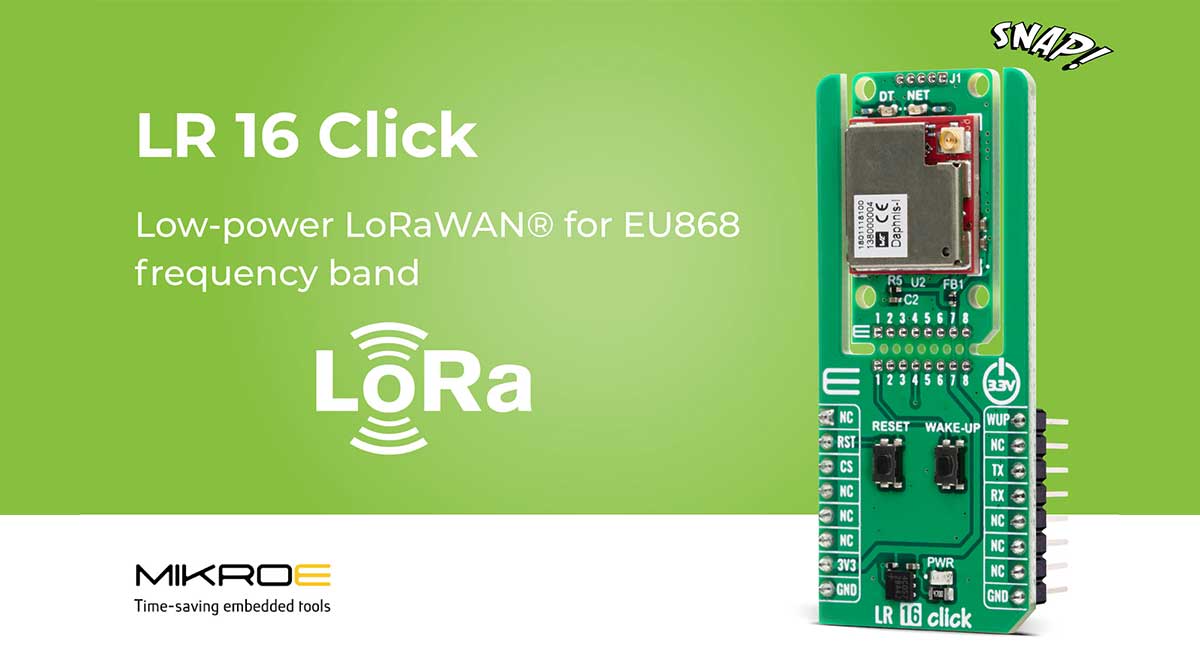
Daphnis-I FeatherWing
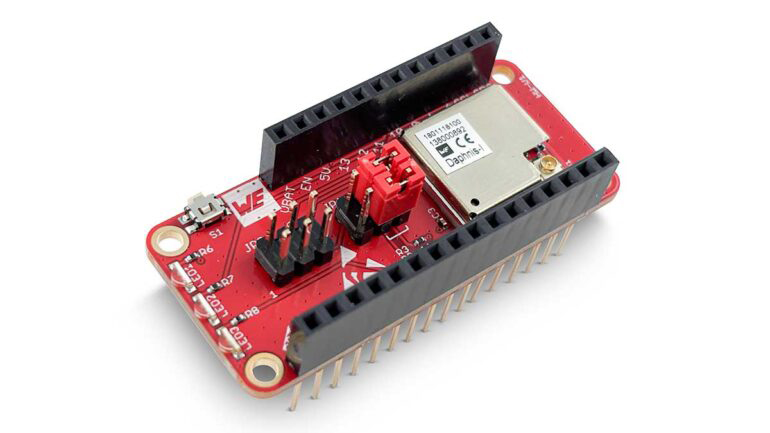
The Daphnis-I FeatherWing from Würth Elektronik is an Adafruit Feather-compatible development board which aims to simplify rapid prototyping for long-range, low-power IoT applications.
The new board incorporates the company’s Daphnis-I radio module, which supports the LoRaWAN 1.0.4 protocol in the EU868 band. The technology enables battery-powered devices to communicate with gateways more than ten kilometres away, targeting use cases in smart factories, smart homes, smart cities, agriculture, and logistics.
Designed for the widely used Feather ecosystem, the module allows developers to combine Würth Elektronik’s expanding FeatherWing portfolio with hundreds of third-party boards.
The module is built around STMicroelectronics’ STM32WLE5CCU6 chip and offers exceptionally low sleep-mode current consumption of 63.9 nA, making it suitable for long-life sensor networks and other constrained-power deployments. Each board ships with an external 868 MHz Hyperion-I antenna and a UMRF-to-SMA RF cable.
UNITRONIC ACCESS Range
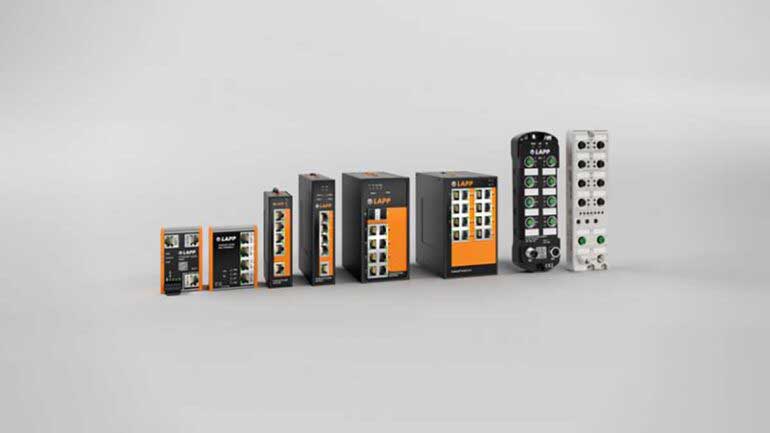
LAPP has entered the remote I/O market for the first time with the launch of its UNITRONIC ACCESS range, a move the German cable and connectivity group says will support the growing shift towards decentralised automation on the factory floor.
The new devices, which include IO-Link masters and hubs, form part of a broader strategy to expand LAPP’s Industrial Communication portfolio. The company, a global supplier of cable and connection technology, claims the products will simplify sensor–actuator integration at the field level and reduce both installation time and system complexity.
“IO-Link is increasingly replacing classic digital and analogue signal transmission,” said Rob van der Sluis, LAPP’s Head of Product & Business Development Cluster West. “It transmits structured data, enables diagnostics and remote control, and works with inexpensive unshielded standard cables. It is, in many respects, an ideal solution for the lowest level of the automation pyramid.”
The Fisher ARMOR system
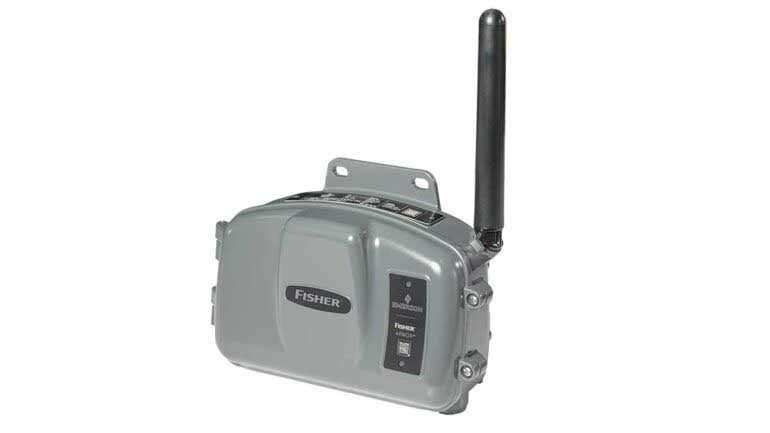
Emerson has launched a new gas-grid monitoring device aimed at helping US utilities strengthen safety and compliance across their networks, as regulators push for more stringent oversight of natural gas distribution.
The Fisher ARMOR system, unveiled on 13th November in McKinney, Texas, is a digital field unit designed to collect and transmit operational data from natural gas district stations and other critical points on utility grids. Emerson said the device offers more sophisticated measurement and communication capabilities than the chart recorders, meter sets, and PLC-based remote terminal units commonly used today.
Utilities are under growing pressure to monitor multiple variables — including pressure readings, equipment travel, and discrete inputs — across dispersed infrastructure. Emerson said ARMOR is the only device of its type able to track all three, with up to three pressure values available for monitoring different points on a network. The company argues that such data can reduce the need for routine field visits, improve reliability, and support compliance with new regulatory expectations.
The system includes configurable dashboards, templated reports, and a mobile app intended to simplify data analysis for a digitally native workforce. It can be deployed for regulator or station monitoring, as well as end-of-line measurement.
Compact dome cellular antenna
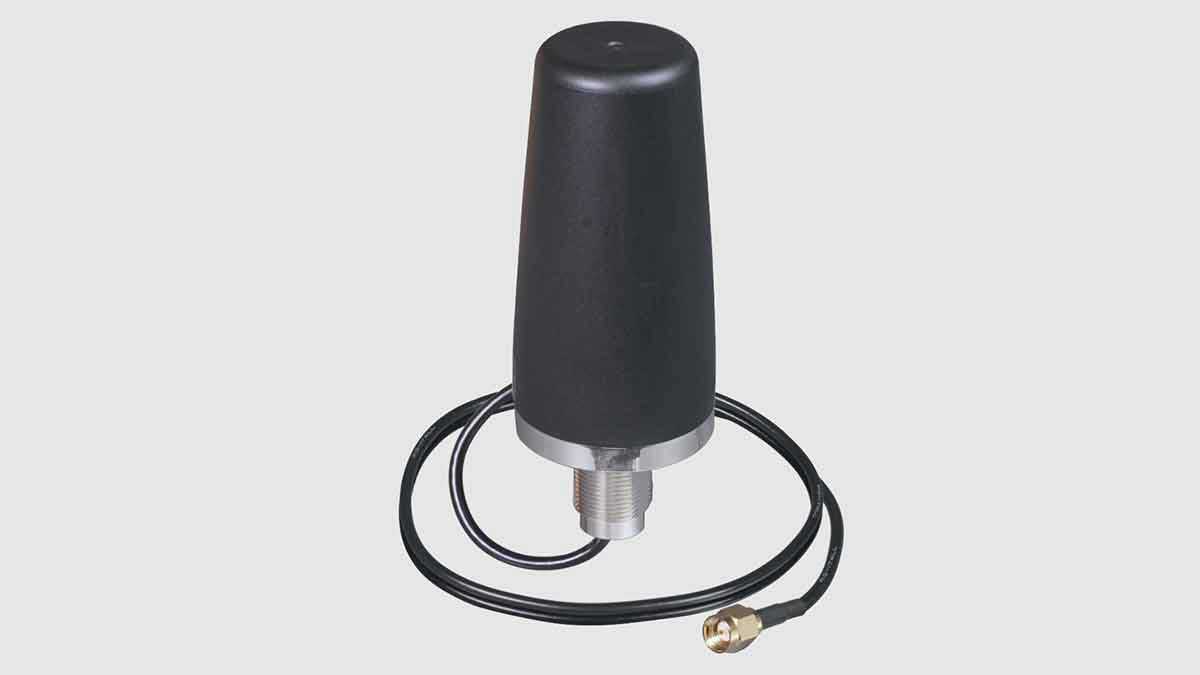
The Antenna Company announces compact dome Cellular IoT antennas for IoT, gateway, and mobile applications.
The first application set of The Antenna Company’s compact dome form factor, the Cellular IoT series supports 5G, 4G/LTE, Cat-M1 (LTE-M) and NB-IoT applications ranging from 698 to 2700MHz.
The Antenna Company’s patent pending compact dome antennas provide extended robustness with IK10 impact resistance, UV-stable dome, durable wind-load performance, O-ring seal, and IP67/IP65 ingress protection for long-lived outdoor and mobile application support. At the same time, The Antenna Company’s compact dome antennas update the aesthetic of the ‘saltshaker’, or ‘shot glass’, antenna form factor, presenting sleek lines and fine matte finish in black and white options.
To enable a wide range of applications, the compact dome antennas are available with panel-mount N-connector, cabled panel/bracket-mount with SMA termination, or NMO connector for mobile/OHV (off highway vehicle) applications.
The Cellular IoT compact dome antennas provide excellent antenna efficiency and operate in both metallic-mount (e.g. gateway chassis, vehicle roof) and free space (e.g. remote bracket) applications.
QSM368Z, QSM560DR, and QSM668SR smart single-board computers

Quectel Wireless Solutions has launched three new smart single-board computers (SBC). The QSM368Z, QSM560DR, and QSM668SR are designed to give developers more choice and speed up product development of intelligent solutions and digital transformation.
Each board is cost-effective, fully certified, and offers a wide range of options for connectivity, operating system, and memory options to suit different application needs.
“These boards are fully finished hardware that can be easily integrated inside customers’ larger systems across a wide range of IoT use cases,” commented Raymond Wang, Head of Smart SoC, Quectel Wireless Solutions. “Provided in a ready-to-use, single, low-cost platform, these boards are helping to simplify and accelerate the development process for IoT devices of all types, significantly reducing development time with rapid prototyping and cutting development costs.”
At the heart of the QSM368Z is the Rockchip RK3568 IoT processor, featuring a quad-core ARM Cortex-A55 CPU, ARM Mali G52 GPU, 8M ISP HDR, and 1 TOPS NPU. Together, these components provide a powerful balance of computing, graphics, and Edge compute capabilities, enabling developers to run complex workloads, perform real-time data analysis, and support advanced imaging applications directly at the Edge. The board supports both Linux and Android, giving developers the flexibility to build on familiar, open platforms and speed up software development cycles. This dual OS support also ensures compatibility across a wide variety of commercial and industrial systems.