





LTE networks will utilize 2G and 3G as a fall-back infrastructure where no LTE service is provided. End-user devices are required to scan for neighbor cells and generate reports, which are used as a basis for cell selection and handover decisions. Such processes can be very demanding for today’s cellular devices, which must also multi-task a large number of other applications, making heavy demands on their processors. The consequence of inadequate response times can be slow handover or no handover and poor user experiences such as dropped connections.
LTE device developers and network operators are increasing their focus on handover testing to ensure end-user experience is a good one, said Guy S�n�, vice president and general manager of Agilent’s Microwave and Communications Division. Today’s introduction of LTE inter-RAT features illustrates Agilent’s commitment to supporting the needs of the LTE marketplace. We will continue to provide valuable feature updates that keep pace with the needs of our customers.
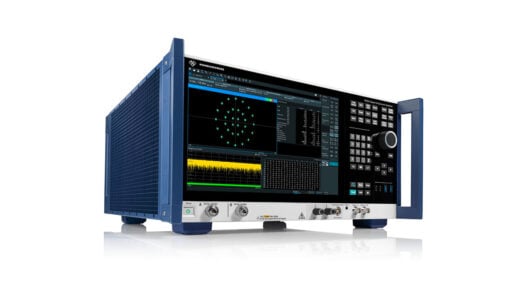
Inter-RAT testing uses the Agilent PXT wireless communications test set, configured as an LTE base-station emulator, in conjunction with the Agilent 8960 for the provision of base-station emulation for legacy technologies. The advantage of this benchtop arrangement is the ability to run the verification tests in a controlled laboratory environment, adjusting a defined set of parameters while fixing others, and the ability to automate the testing for repeatable and efficient measurement reporting.
The new inter-RAT feature set is offered on all new Agilent PXTs and to all existing customers via a simple firmware upgrade.