


Developed by their pre-eminent supplier, Essemtec, this innovative process offers manufacturers a new approach to component recovery and reuse, aligning with increasing market demands for environmentally conscious practices.
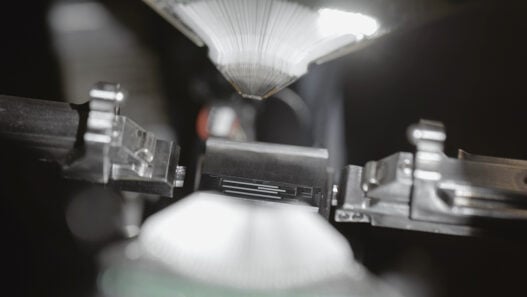
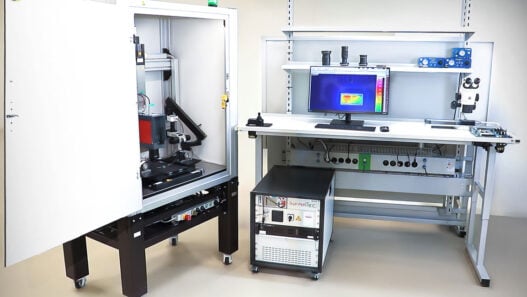
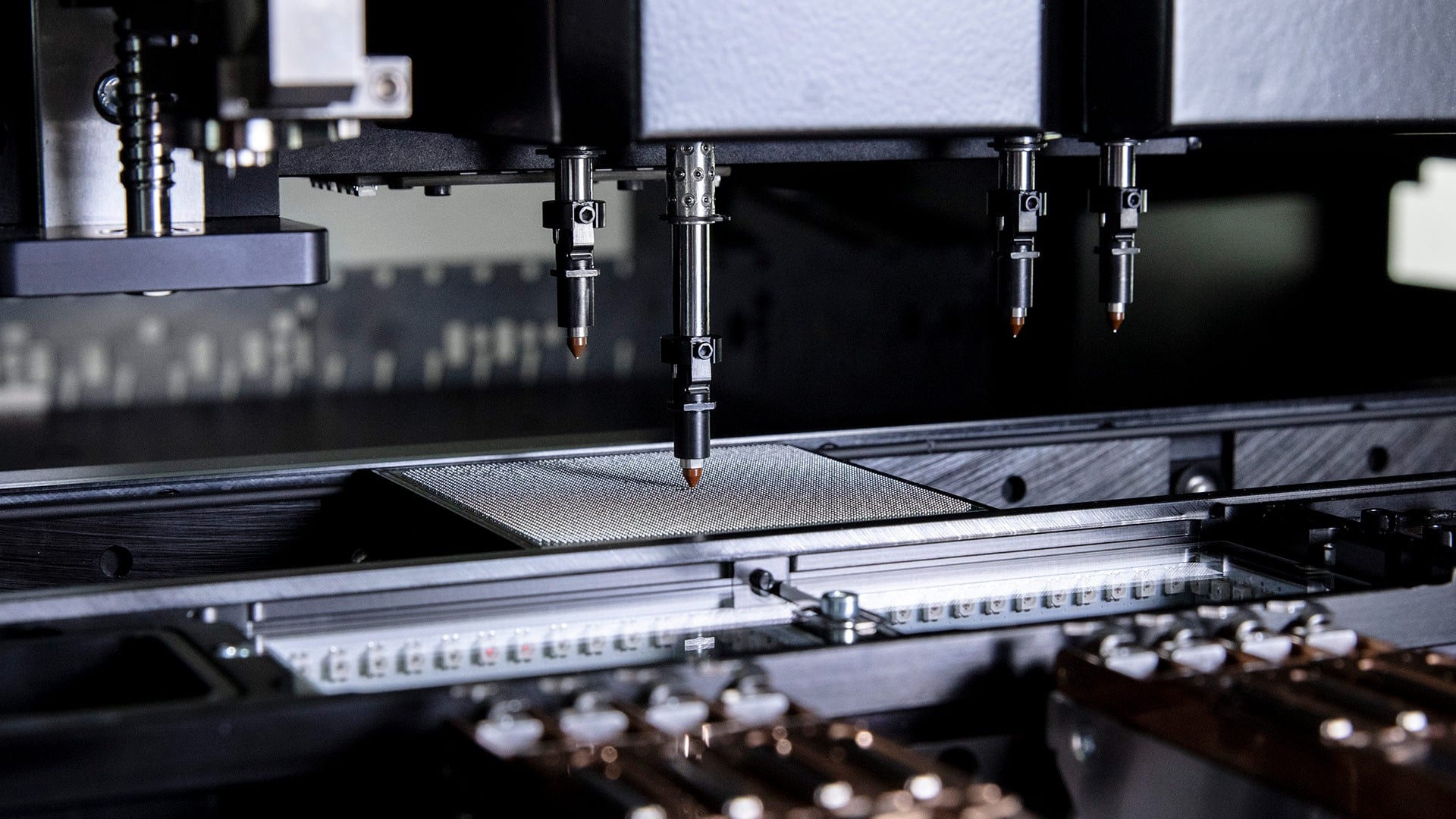
Building on their expertise in adaptive SMT equipment, Essemtec has designed a BGA re-balling process that consolidates flux deposition, ball placement, and soldering into a single streamlined solution. This all-in-one approach is particularly advantageous for high-volume OEMs and companies in sectors such as military, aerospace, computing, and communication, providing a cost-effective and sustainable method for component recovery and reuse.
Jiri Kucera, Operations Director at Altus Group, said: “Reworking BGAs, recovery of expensive parts, and re-use is becoming a highly discussed topic across the electronics industry as consumers become more interested in sustainability. This is another example of Essemtec developing a process to meet the needs of the market.”
The new robotic process offers several advantages over traditional manual methods:
- Increased precision and reliability.
- Support for various ball sizes (250µm to 1mm+) and materials.
- Improved success rates compared to manual stencil techniques.
- Cost-effective reuse of expensive BGA components.
Jiri added: “Companies are already using the Essemtec jetting unit for BGA re-balling across a range of pitched components, giving partners the power to bring some of the recovery processes back in-house rather than outsource to partners at a higher cost.”
This solution is particularly relevant for organisations prioritising environmental impact and sustainability. By extending the lifecycle of electronic components, the process contributes to waste reduction and promotes a more circular economy in electronics manufacturing.
Altus sees this technology as a significant step in meeting the electronic industry’s evolving needs. As sustainability continues to gain importance, solutions like this will play a crucial role in shaping the future of electronics manufacturing and repair.