





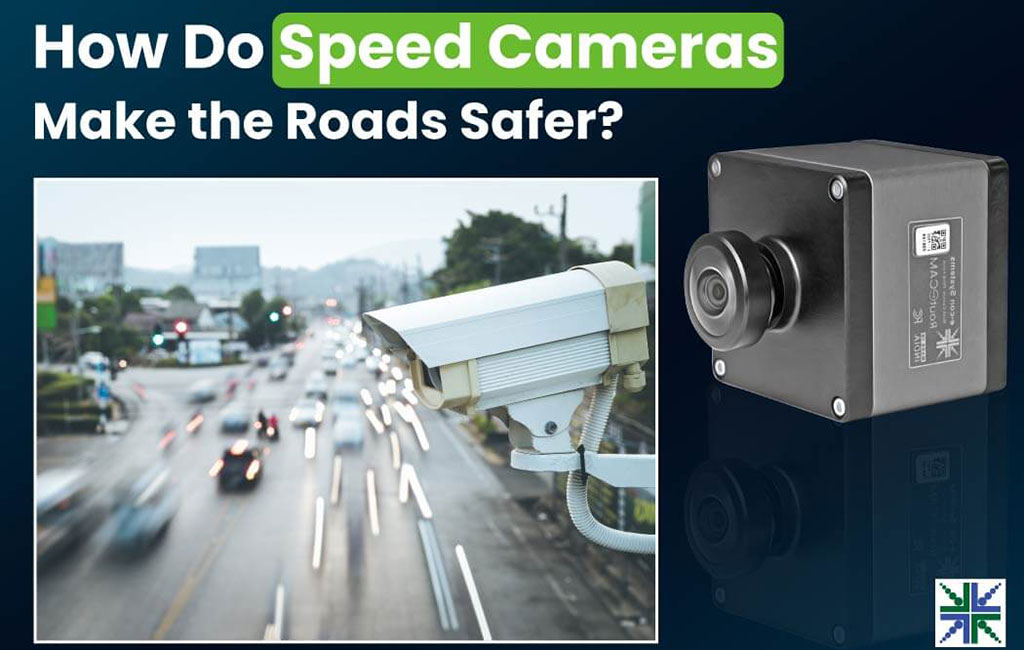
Speed cameras play a crucial role in promoting safer roads. They can detect, capture, and record instances of speeding. Get insights into how these cameras work and their major road safety use cases.
Managing road safety requires the ability to control driver behaviour and reduce traffic-related incidents. That’s why speed cameras play such a crucial role in promoting safer roads. They support road safety initiatives and help ensure compliance with traffic regulations without the need for continuous manual enforcement.
Modern speed cameras can detect, capture, and record instances of speeding with a high degree of reliability under various environmental conditions. This approach to monitoring encourages drivers to maintain lawful speeds, which creates a safer driving environment for all road users.
In this blog from e-con Systems, you’ll get expert insights into the inner workings of speed cameras and their top applications in road safety.
How speed cameras work
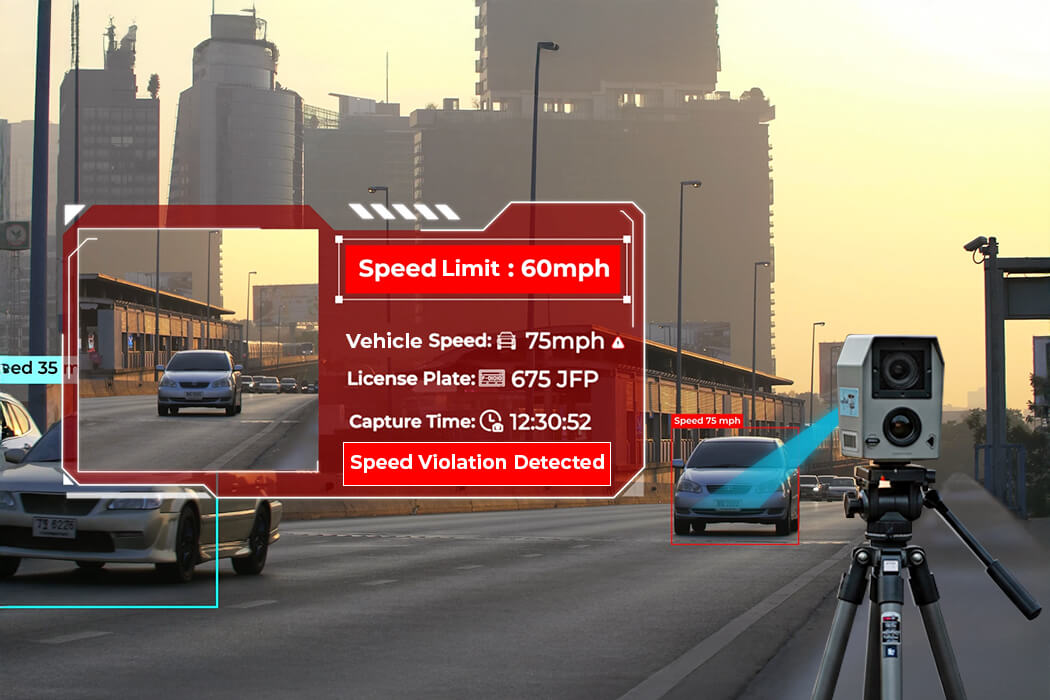
Speed cameras track how fast vehicles are moving by taking real-time images to measure speed. When a vehicle goes over the speed limit, the system records the violation automatically. How does this work?
Basically, once a vehicle is detected traveling above the permissible limit, high-resolution imaging systems activate, capturing a series of frames that provide clear evidence of the violation. These frames record critical metadata including timestamp, GPS coordinates, lane identification, and measured speed, embedded directly into the visual feed.
Optical character recognition engines process the images to extract vehicle registration numbers automatically. Then, the captured data packets are securely transmitted to centralised servers of enforcement agencies, where violation notices are generated, and enforcement processes are initiated.
Road safety use cases of speed cameras
Reducing excessive speed
Speed cameras go a long way to deter drivers from exceeding the speed limit. Their presence alone often leads to better compliance with posted limits. This type of visual reminder is effective across all types of roads and locations. Over time, it shapes how people respond to speed regulation.
Cameras also raise awareness of the dangers tied to speeding. Some agencies launch campaigns that explain how speed enforcement improves safety.
Lowering the risk of accidents
High-speed driving is a common cause of serious road collisions. Speed cameras address this by reducing reckless speeds. Once limits are enforced automatically, accident rates begin to drop. Fewer high-speed crashes mean fewer fatal injuries. Therefore, the link between camera deployment and safer roads is strong.
Supporting law enforcement
Automated speed detection supports broader safety goals. Cameras handle the routine task of tracking speed violations, thereby freeing up officers to focus on DUIs, aggressive driving, and other road offenses. Less manual patrolling is required when automated systems are in place. Police departments can then focus resources on complex investigations.
Enabling better traffic flow
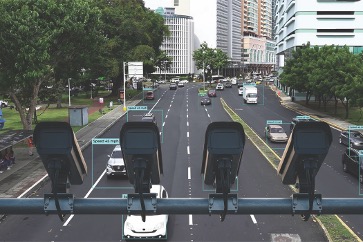
Consistent driving speeds help avoid traffic build-ups. Cameras that enforce limits reduce stop-and-go driving. This steadier pace reduces erratic lane changes and sudden braking. With fewer disruptions, travel becomes smoother as road networks benefit from less unnecessary congestion.
Speed cameras prompt drivers to pay closer attention to their speed. Once penalties become a reality, people change their behaviour on the road. It builds habits that stick over time. Hence, safer habits reduce risk across the board.
Transforming traffic data into insights
Speed cameras log traffic activity across multiple timeframes. They capture how traffic behaves during busy hours and in high-risk areas. Authorities use this to plan future upgrades and interventions. Camera data also helps pinpoint where enforcement should be increased, making traffic planning more informed.
Providing insurance or legal evidence
Captured data can clarify events during road accidents. Information such as speed at the time of the event helps establish facts. This helps with investigations and insurance reviews.