



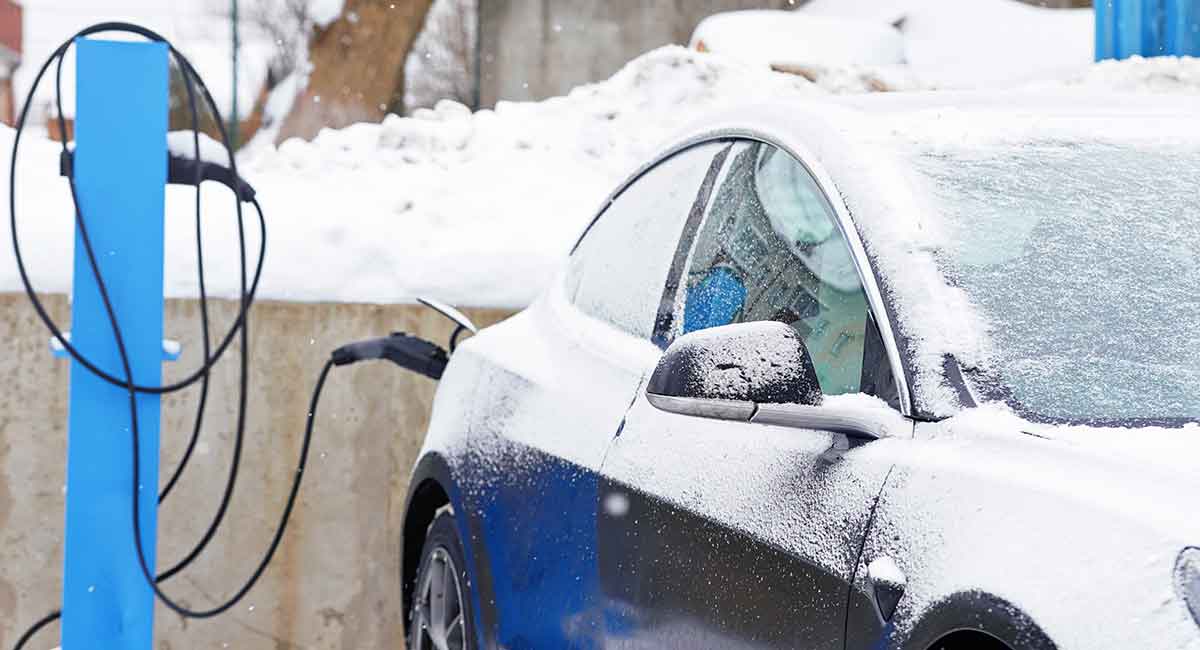
As the UK finds itself plunged below freezing, it’s important to consider how the cold weather impacts electric vehicles (EVs) and charging points.
Battery power
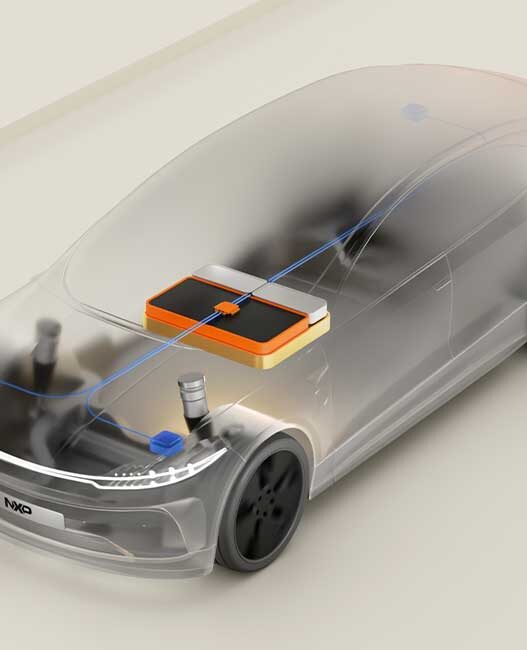
Cold weather affects EVs more noticeably than internal combustion engine (ICE) vehicles because of the way EVs generate, store, and use energy. EVs are powered by lithium-ion batteries which depend on chemical reactions between the anode and cathode to release electronics and product current. Low temperatures slow these reactions down, meaning the battery cannot deliver the same power as it would normally.
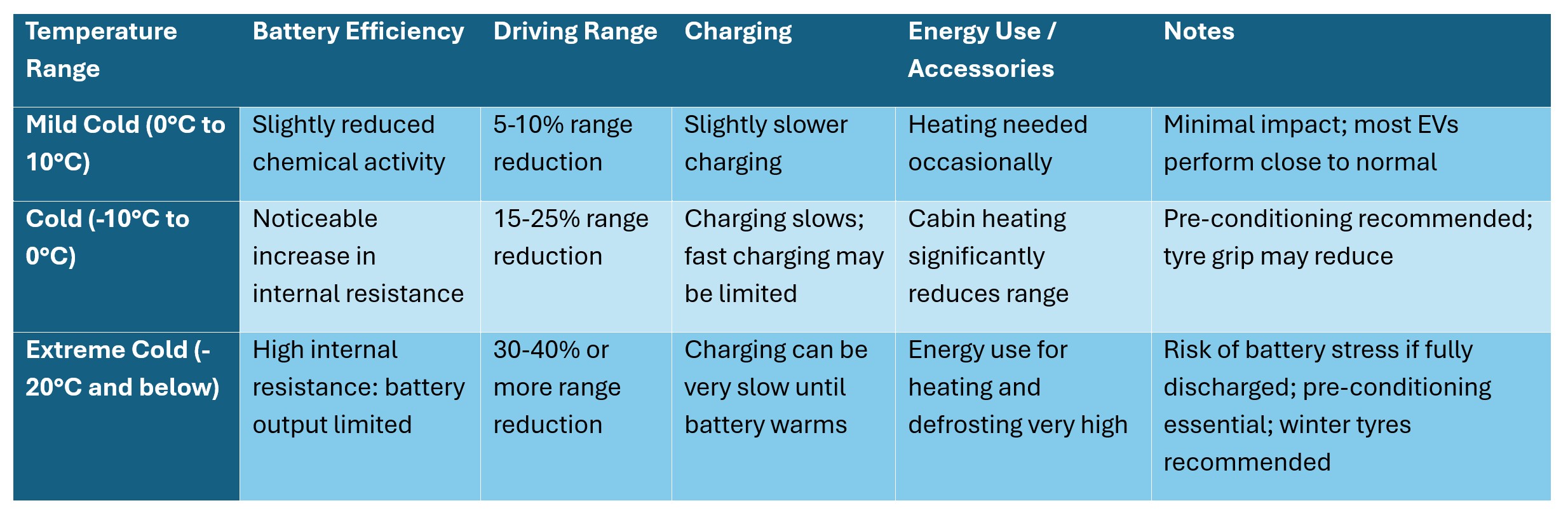
EV range can drop by 20-40% in temperatures around -10 to -20°C, depending on battery size, vehicle type, and driving conditions. Heating the battery before driving can help to mitigate some of this loss.
Cold batteries also mean they will also charge more slowly. Fast chargers may reduce power output until the battery warms up.
Heating and accessories
Not only do EVs rely on the battery power for movement, but they also power the heating system – unlike an internal combustion engine that can use waste engine heat. Using the heater in colder weather can reduce range by an additional 10-20%.
Power-hungry accessories like heated seats, defrosters, and infotainment systems also draw power from the battery which can further reduce driving range. Components like sensors or cameras may even freeze or operate more slowly.
Repeated use of an EV in extreme weather conditions can stress the battery over time. Maintaining moderate state-of-charge levels (around 20-80%) and pre-conditioning can help to reduce long-term degradation.
Tyres and braking
Aside from the battery, cold temperatures also make tyres stiffer and reduce grip. Some EVs use regenerative braking, which can feel stronger on icy or snowy roads and require careful modulation. Winter tyres are often recommended to maintain safety and performance.
Charging infrastructure
Not only does the cold weather affect the vehicle, but also the charging infrastructure. Electricity demand will already be high due to heating in homes and commercial buildings so simultaneous EV charging during winter periods can strain local distribution networks, particularly if multiple fast chargers are located in one area.
Also, if the battery is taking longer than usual to charge, this can increase the time drivers spend at charging stations – creating temporary congestion. In fact, drivers might arrive at a charging station to find depleted batteries due to the increased energy usage.
Whilst EV chargers are designed for outdoor use, extreme weather can affect the mechanical components inside, like connectors, meaning more maintenance might be required. Although, some chargers incorporate heaters to prevent components freezing but this will also slightly increase the amount of energy being drawn from the grid.
David Pownall, Vice President, Power Systems, at Schneider Electric sums up the effects: “Snow days create significant pressure on the UK’s electricity infrastructure. Cold weather drives up energy demand and increases the risk of faults, exposing potential weaknesses across the network. For drivers, this pressure is often felt most clearly at the charging point. In these conditions, driver confidence is critical. Drivers are less concerned with who operators a charger but whether it is working, accessible, and accurately reported on – without clear, real-time information, uncertainty over charger reliability can quickly undermine trust in EV travel.
“This places a stronger spotlight on charge point operators and local authorities, as they collectively shape the public charging experience. Recent FOI data suggests many councils lack full, real-time data visibility over the operational status of charge points in their areas – highlighting the need for better connectivity and data sharing across the charging ecosystem. During severe weather, gaps in visibility can leave drivers uncertain about where they can charge.
“At the same time, charging point operators, who own and operate the majority of public chargers, face their own challenges in maintaining availability during cold conditions. Remote monitoring, smart charging, and predictive maintenance are essential to identifying issues early and minimising disruption, particularly on high-traffic and long-distance routes.
“Charging infrastructure also depends on the wider energy system. System operators face increased pressure as cold weather drives up electricity demand while networks are more exposed to disruption. Maintaining grid stability while supporting EV charging requires accurate demand forecasting, automation, and coordinated investment across the grid. Without ongoing investment into grid resilience and digitalisation, extreme weather will continue to put pressure on the UK’s EV infrastructure.”