





From designing rocket launch systems and autonomous rovers to building satellites and prosthetic devices, many engineering students today are filling their extracurricular hours and summer breaks with hands-on learning experiences that prepare them to kickstart their post-graduate careers.
In my role, I oversee all of DigiKey’s programmes that involve students, from our supplier partnerships for student-specific kits like the VeryVerilog platform with Microchip, to our global ambassador programme, which reaches students throughout North America, Germany, Singapore, and more. I recently met with several engineering students through our DigiKey Ambassador Program to hear directly from them about their unique engineering journeys, from early life inspiration and opportunities in college to ambitious engineering and design projects. Their stories reveal several common themes: curiosity, hands-on experience, collaboration, and access to the right tools and resources.
I am continually inspired by the next generation’s ambition and intelligence. These recent discussions remind me that knowledge flows in both directions, and we can learn a lot from these students and young professionals who have already contributed greatly to our profession as engineers.
Young minds, big breakthroughs
Many of us found our way into engineering due to an innate desire to learn how things work.
Take Antonio Velasco, now a semiconductor package reliability engineer at AMD after earning degrees in both electrical and systems engineering from UC Irvine and UCLA. His curiosity found a natural fit in Science Olympiad competitions in middle school, and a unique high school project that involved sourcing countless parts to design a robot that could successfully operate underwater.
“I’ve always been interested in engineering and STEM,” Velasco said. “Science Olympiad allows people to explore a wide variety of science when they’re a student. I did a few build events, a few engineering events, and it got me hooked on embedded systems as a whole.”
Several students involved in the Texas Rocket Engineering Lab (TREL) at the University of Texas at Austin followed similar paths. Braden McElroy, electrical and computer engineering student and TREL avionics lead, remembers identifying as an inventor before he even knew what engineering was.
“I remember in kindergarten, I put on a questionnaire that I wanted to be an inventor when I grew up,” McElroy said. “I’ve always been interested in figuring out how things work and making things with my hands.”
For fellow TREL member Isabella Chaump, it was her early fascination with space and NASA rocket launches that sparked her interest in becoming an engineer.
“I was always super into math and science as a kid,” Chaump said. “I really enjoyed space and seeing all the NASA stuff. I was super into that growing up.”
Each of these early life experiences translated into the students applying themselves as engineers in college. Velasco advanced from science competitions to developing autonomous robots, satellite systems and prosthetic devices before beginning his career at AMD. Meanwhile, McElroy and Chaump now help design the avionics and ground support systems that power, monitor, and safely launch student-built rockets, gaining experience typically reserved for working aerospace engineers.
Hard work, inside and outside of the classroom
Though classrooms provide hands-on learning experiences, students who move beyond the classroom into student organisations and internships further develop their practical design, prototyping, sourcing and problem-solving skills.
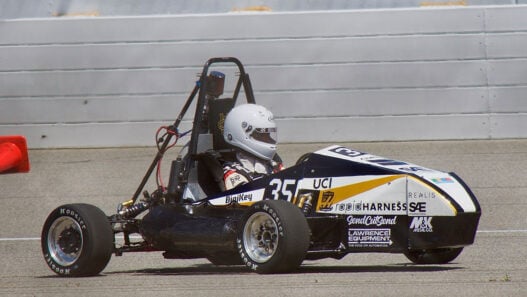
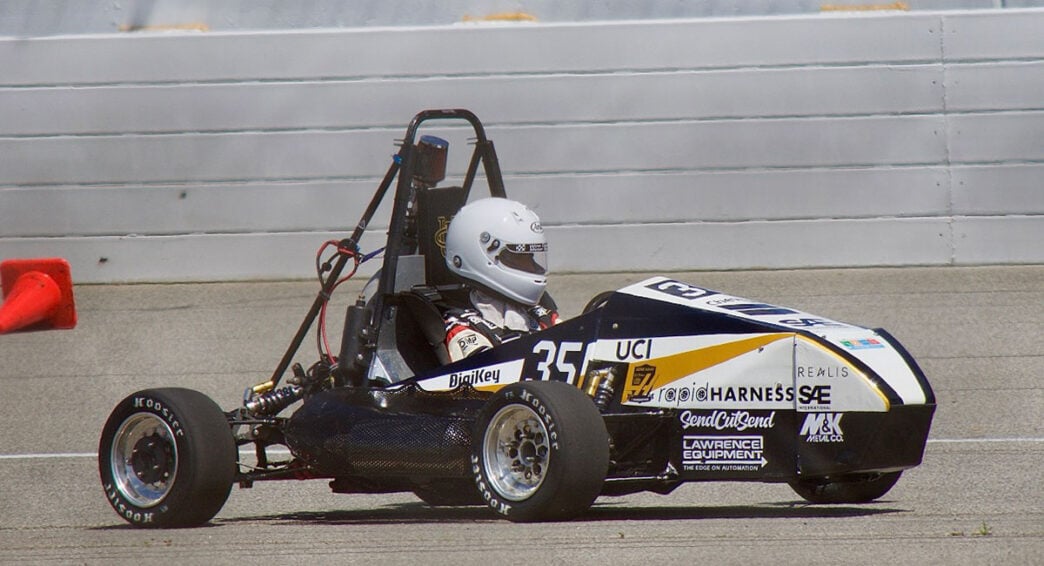
From Velasco’s first semester of college, he immersed himself in projects that ranged from remote-controlled rovers and weather sensors to designing a race car. One lesson stood out: engineering becomes far more meaningful when students can build, test and iterate.
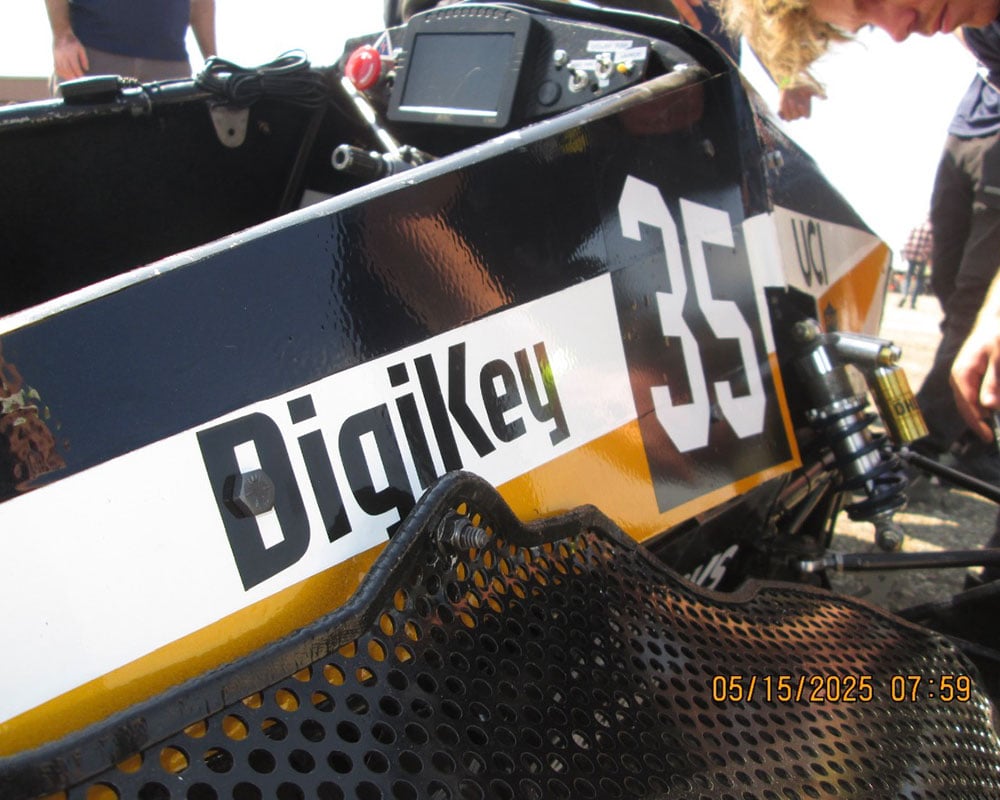
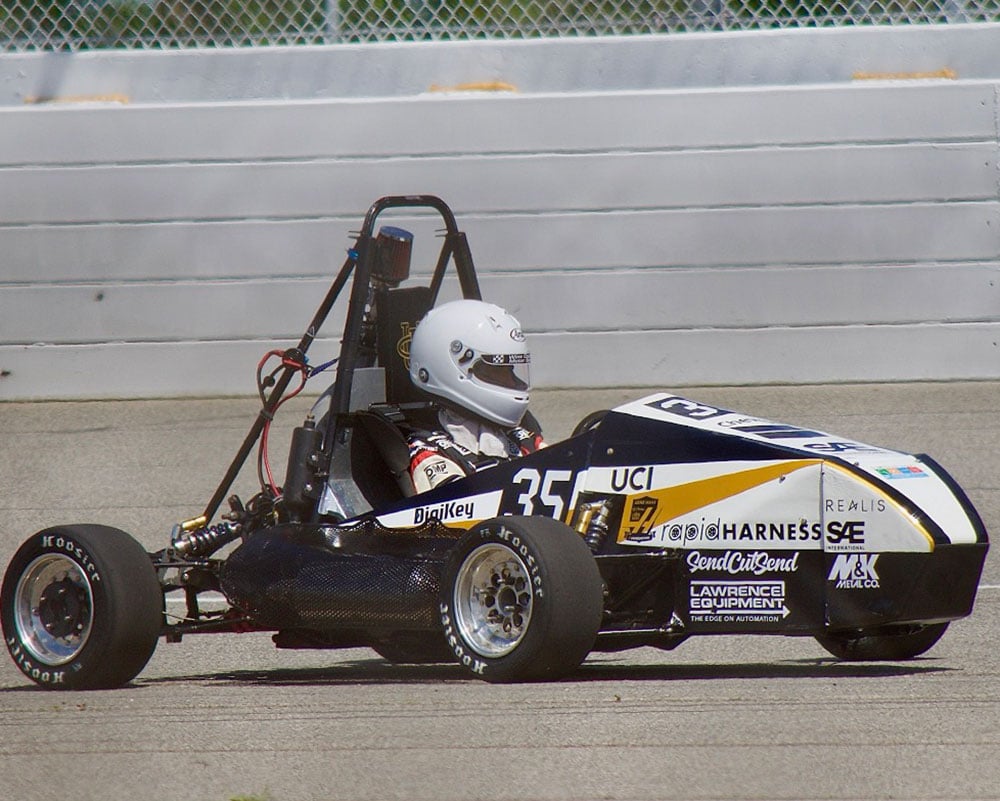
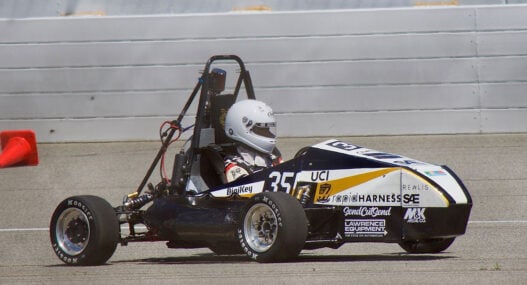
Race car designed by Velasco and a team of Formula SAE students
“Through exploring in college and the wide variety of fields in electrical engineering, I was able to figure out that I am a lot more intrigued toward systems, particularly the way that a lot of things interconnect and work with each other,” Velasco said.
Student members of TREL gain similar project-based experiences through their work on ambitious aerospace projects many don’t get to touch until they’re working in the field.
McElroy spent months designing a sophisticated avionics board containing nearly 250 sourced components that could process a variety of sensor inputs throughout a rocket system. The project required balancing design constraints, evaluating every component, reviewing data sheets, and, in the end, creating a reliable system capable of supporting mission-critical operations.
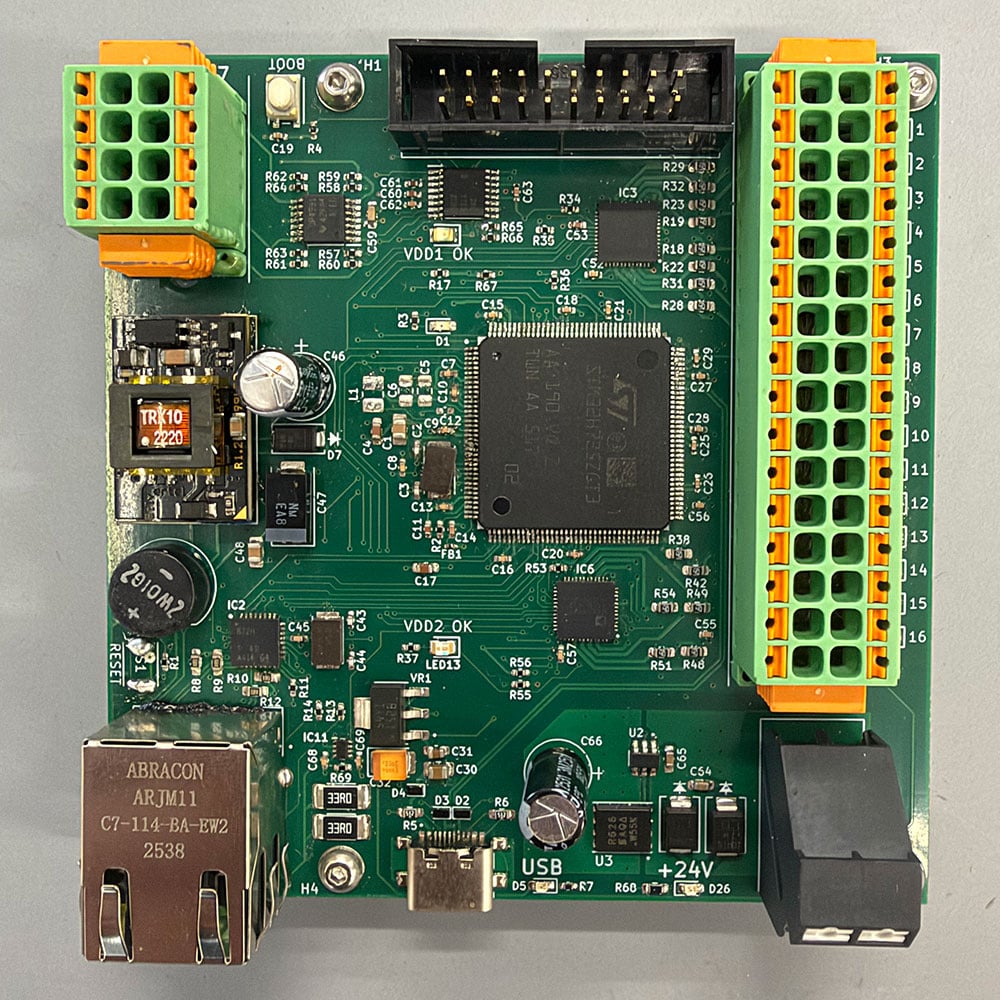
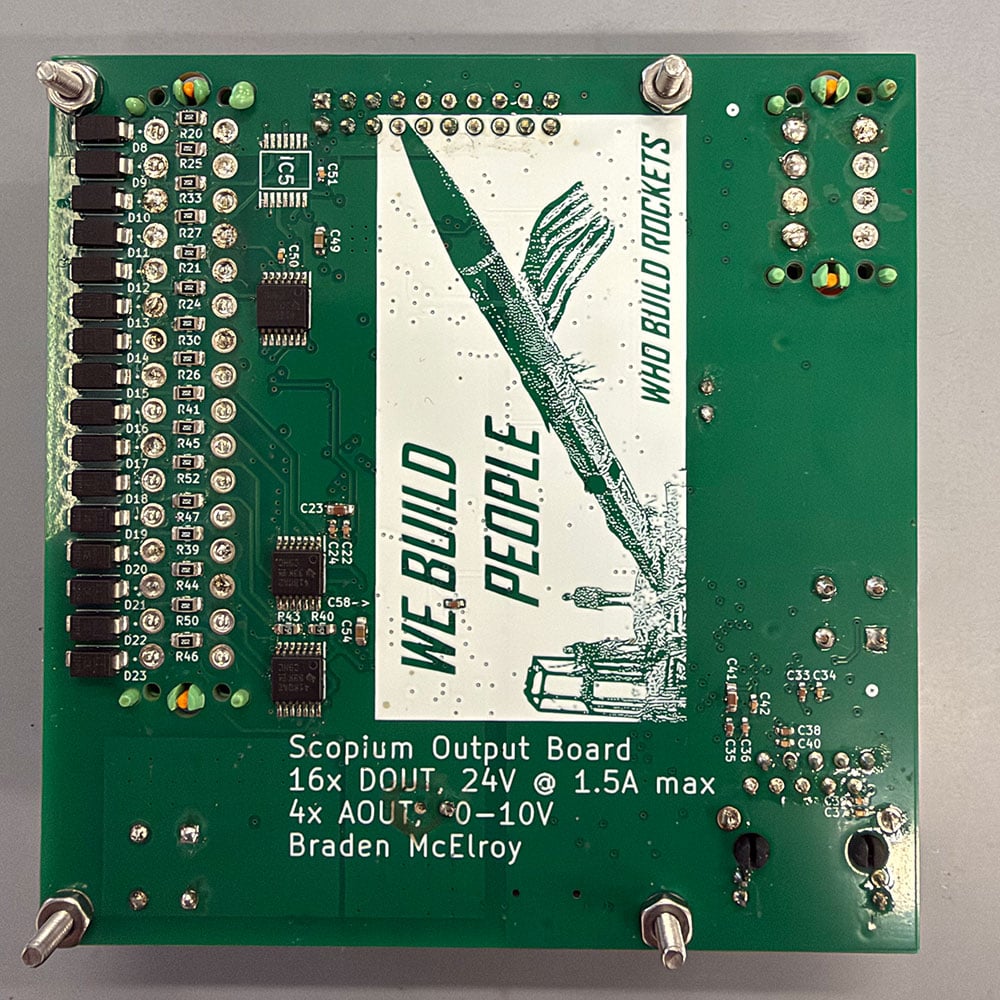
Avionics board designed by McElroy
Meanwhile, Chaump worked on electronics supporting TREL’s launch infrastructure. Her team designed and managed the electronic ground support equipment and comprised the complex system required to fuel, monitor, and safely launch rockets.
“You can’t just launch a rocket,” Chaump explained. “You need to provide fuel, pressure and all this ground support equipment to support the foundation of the rocket.”
In one instance, Chaump guided the team around a hurdle by strategically sourcing a much-needed (and very niche) terminal block from DigiKey within a matter of days to keep the project on track.
All things considered, I felt energised as a professional to hear about the hard work and determination that each student has put into many late nights reading component data sheets and tinkering with components.
Empowering one another through shared knowledge
In my conversations with Chaump and McElroy, they each praised the community that they found themselves immersed in after joining TREL and getting to work alongside other student members.
On sources of inspiration, McElroy remarked, “Probably the biggest source is just being around TREL members … Some people go to SpaceX and Impulse and Firefly and a bunch of different aerospace companies. It’s cool to hear from them firsthand what everyone is working on.”
It’s also true that today, engineers have more access to information and shared resources than any generation before. Increasingly, students are turning to online engineering communities and tech forums to accelerate their projects. For Velasco, one platform that he frequently turns to is DigiKey’s Maker.io, an online engineering community where students, hobbyists, makers, and professionals share visual project tutorials, troubleshooting advice and technical insights. Over the years, he has become a prolific contributor himself, giving back to the same community that helped him jumpstart numerous projects.
“As I learn stuff, I’ve been able to write about it and document it,” Velasco said. “It has been a really good opportunity for me to share it with other people and to document and create a bit of a project portfolio of the stuff that I’ve been doing along my college career. I appreciate being able to contribute toward others’ work and inspire them to make something similar.”
All three students affirmed that leaning on the broader engineering community to source the right parts and get them in hand at the right time, in unison with a fast-moving project timeline, is an essential skill and one they are working on building.
It takes all of us
From manufacturers innovating components to meet the demands of research and design teams, to the professors and students sharing their knowledge in classrooms and digital spaces. It really does take all of us. We have a lot to learn from one another. I’m grateful for each of these young professionals’ contributions to our shared community knowledge as engineers. Hearing first-hand about their already impressive contributions to our profession excites me and gives me hope for the future that they are working to build with us.
Author: Y.C. Wang, Director, Global Academic Program at DigiKey.
Y.C. Wang is the director of global academic programs at DigiKey. DigiKey is the global leader in electronic components and automation products distribution, providing more than 17.4 million components from over 3,000 quality name-brand manufacturers.