





Heavy equipment electronic design is fundamentally shifting, and UK municipalities are driving these procurement cycles. Raw power used to be the primary benchmark for manufacturers, but companies worldwide are focusing on reliability, system integrity, and emission standard adherence. For engineering firms, success depends on seamlessly integrating these systems.
Achieving high levels of system integrity requires focusing on three functional domains within the powertrain. Each one represents the shift in durable electronic architecture. Mastering the hardware and software is essential to developing the next generation of compliant machinery.
1. Inverters in machinery
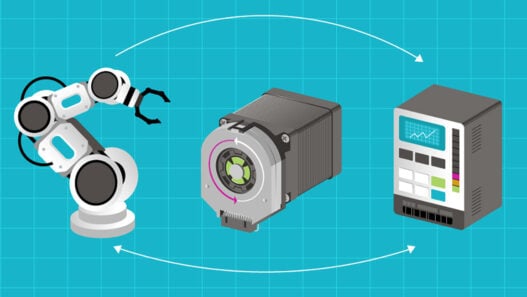
Inverters are the primary arbiter of electromechanical torque and power flow, facilitating energy flow to the wheels and hydraulic pump. Design engineers must ensure the inverter can deliver precise torque on demand. This technology is essential for historic building retrofitting, heavy equipment operation, and other critical tasks.
The rise of EVs and electric equipment emphasises the demand for energy recovery. Regenerative braking has become a fundamental requirement for inverters, as they manage this bidirectional flow. Inverters in machinery capture kinetic energy and convert it to DC power, reducing reliance on friction brakes.
2. Battery management systems
Battery management systems (BMS) safeguard the powertrain and are essential to financial returns. The battery itself can cost £1,000 per kWh of storage, so electronics professionals desire viability and safety. This system optimises performance through precision state estimation, whether Coulomb counting or other models.
Design engineers may use advanced algorithms such as the extended Kalman filter, which provides log-linear error dynamics and allows real-time measurement correlation. The BMS also affects battery performance by regulating the thermal system. It manages the environment and makes intelligent decisions regarding cooling pumps, fans and other heating elements.
3. Isolation monitoring
Engineers need their DC buses to be floating systems and isolated from the vehicle chassis. Isolated monitoring devices verify the integrity of galvanic isolation through fault principles. The first incident could be due to vibrations or moisture ingress, so there are no immediate hazards. However, the second fault can compromise industrial equipment safety.
Isolation monitoring devices help battery performance by protecting the pack. If leaks occur, these components are responsible for finding the root cause before cell-level damage starts. Some design engineers use them for advanced diagnostic strategies by correlating with BMS data. If isolation monitoring tools detect high self-discharging rates, they can pinpoint the specific problem and reduce diagnostic time.
Why municipal buying cycles demand longer-life architectures
Public sector procurement requires a different approach than commercial enterprises. Municipal fleet managers focus primarily on the operational life of their electronics, so electronics design engineers must prioritise developing robust and resilient architectures. Here are a few reasons for the shift in buying cycles.
Sustainability goals
The UK has set net-zero emissions goals for 2050, putting municipal and regional governments on the front lines. Therefore, city councils nationwide must consider emissions standards when buying heavy equipment. Government officials turn to solutions like alternative fuels and quieter machines, as they minimise disruptions and aid in emissions compliance.
Total cost of ownership
Local governments buy heavy equipment as long-term public assets. Municipalities expect their road graders and excavators to perform critical services for a decade or more. When evaluating prices, they care more about TCO than the sticker price. TCO is holistic, accounting for acquisition, operating and maintenance expenses.
Budget predictability
Municipal budgets have less flexibility due to legally binding documents. Officials determine these financial plans years in advance, with extensive scrutiny on each pound spent. Durable electronics create cost certainty by reducing operational risks. If a BMS fails outside the warranty, the government may have to request emergency funds or defer other maintenance.
Understanding electronics and municipal buying cycles
The heavy equipment electronics landscape is changing due to the public sector’s long-term demands. Municipalities are prioritising TCO, reliability and sustainability goals, which elevates the role of design engineers. Their success depends on the symbiotic relationships of inverters, battery management systems and isolation monitoring in machinery. Delivering holistic system integrity is essential for extended service lives.