







This article is based on AN-CM-420 SLG47115 and SLG46110V Isolated Flyback Controller and explains how to design and build an isolated DC-DC flyback controller using the SLG47115 as a low-side N-MOSFET controller and using the SLG46110 for isolated feedback via an optocoupler. It comes complete with Go Configure Software Hub design files as well as an Excel-based calculator tool for creating other flyback regulators with varying sets of input voltages, output voltages, output currents, and switching frequency ranges.
Read Part 1 here.
Primary snubber
EQ 4.7 estimates the transient voltage spike generated by the flyback transformer’s leakage inductance, and EQ 4.11 estimates the peak drain-source voltage blocked by MOSFET Q1. The basic RCD clamp is shown in Figure 9.
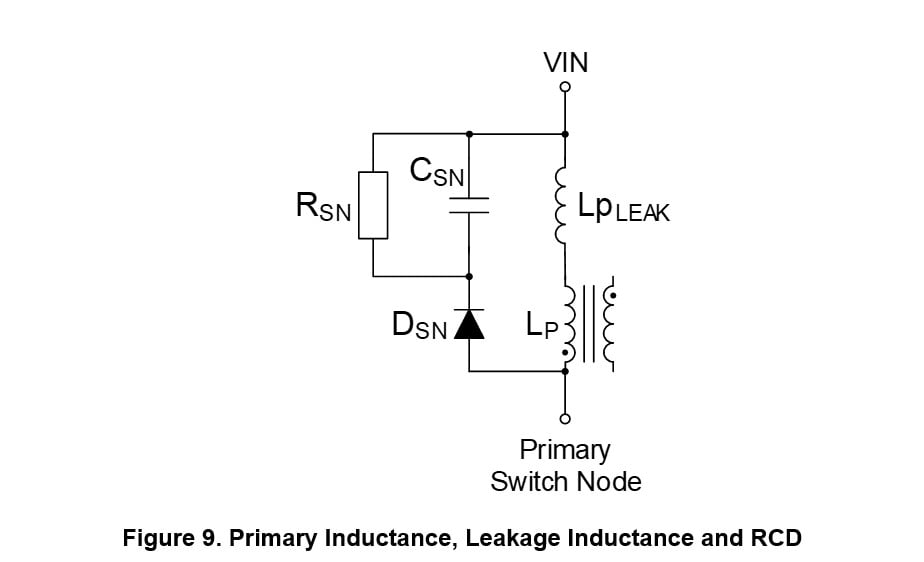
For this snubber the diode should be fast recovery and rated to block at least as much reverse voltage as MOSFET Q1’s VDS_MAX.
The following snubber design procedure has worked well for Renesas Applications Engineering.
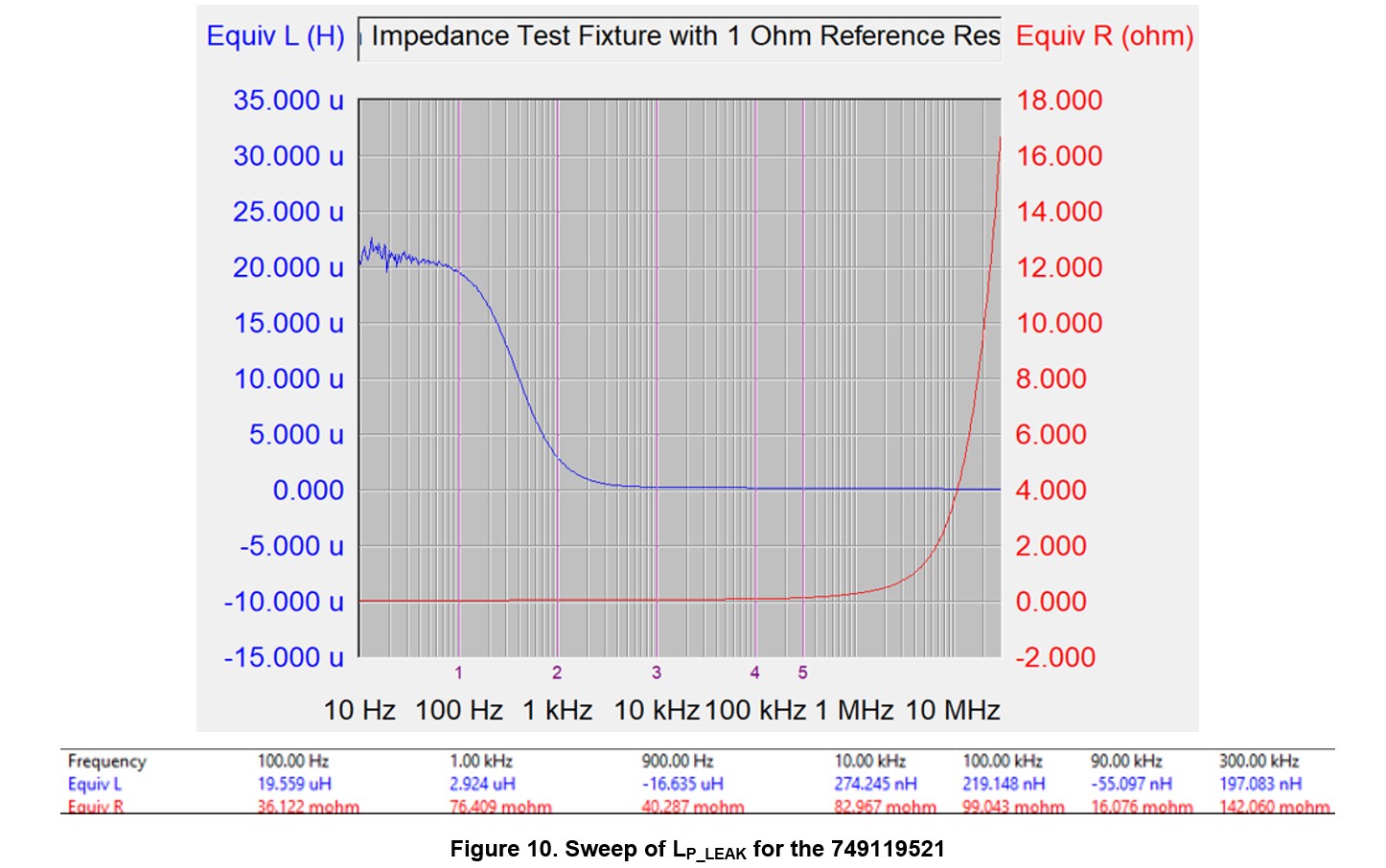
Measure the actual LP_LEAK at the primary winding terminals. To make this measurement, short-circuit every other winding terminal together. If a network analyser is available, a sweep of inductance versus frequency from ~100 Hz to beyond the maximum switching frequency is recommended. IAn LCR meter with programmable test frequency is the next best. Here, LP_LEAK from 100 to 300kHz is shown in Figure 10. The 7491195212’s datasheet lists a max 300nH at 100kHz.
- LP_LEAK = 300nH
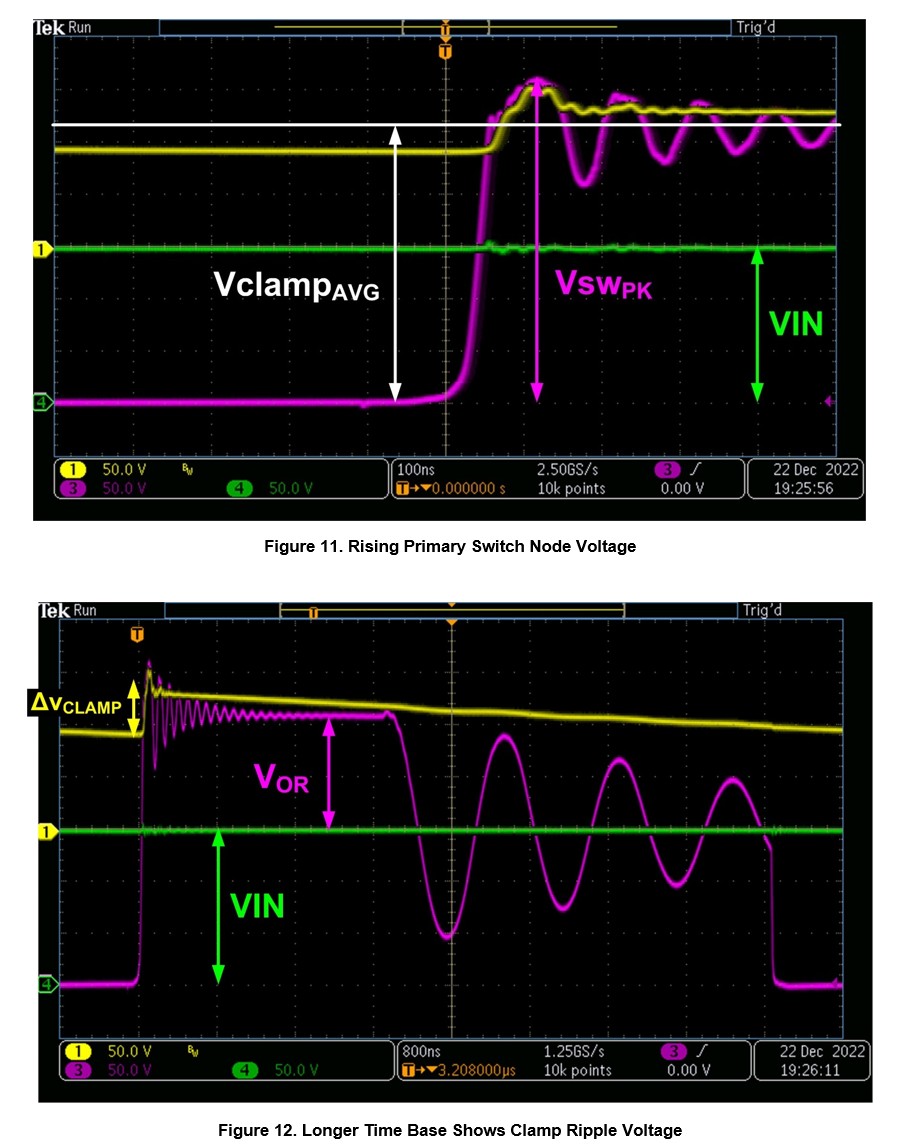
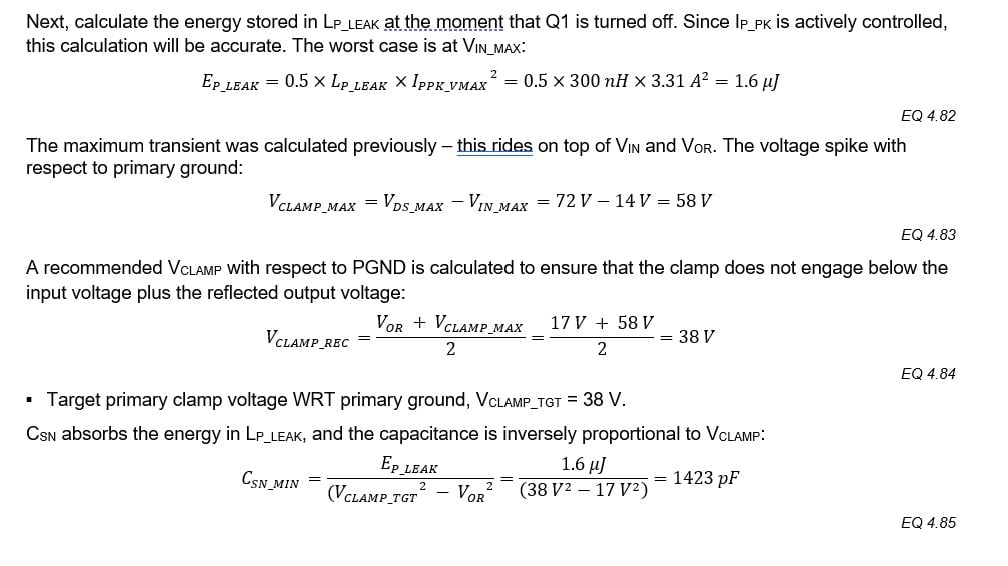
The following two images show the various voltage levels of a flyback converter’s primary switching node, taken from a different flyback whose larger transformer made it easier to insert current probes:

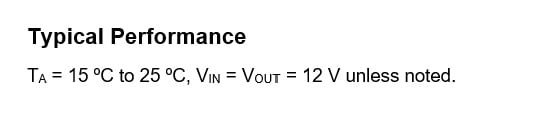
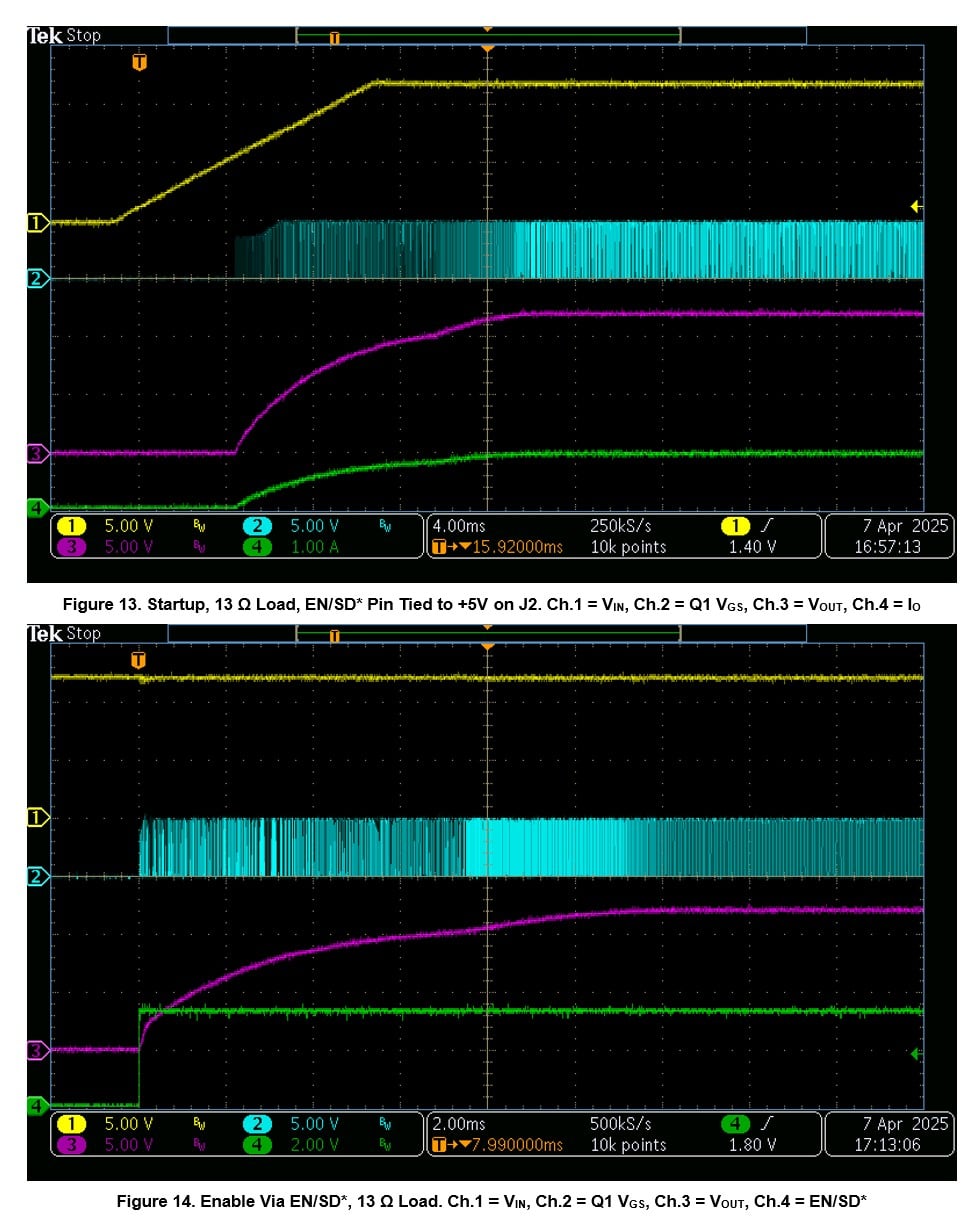
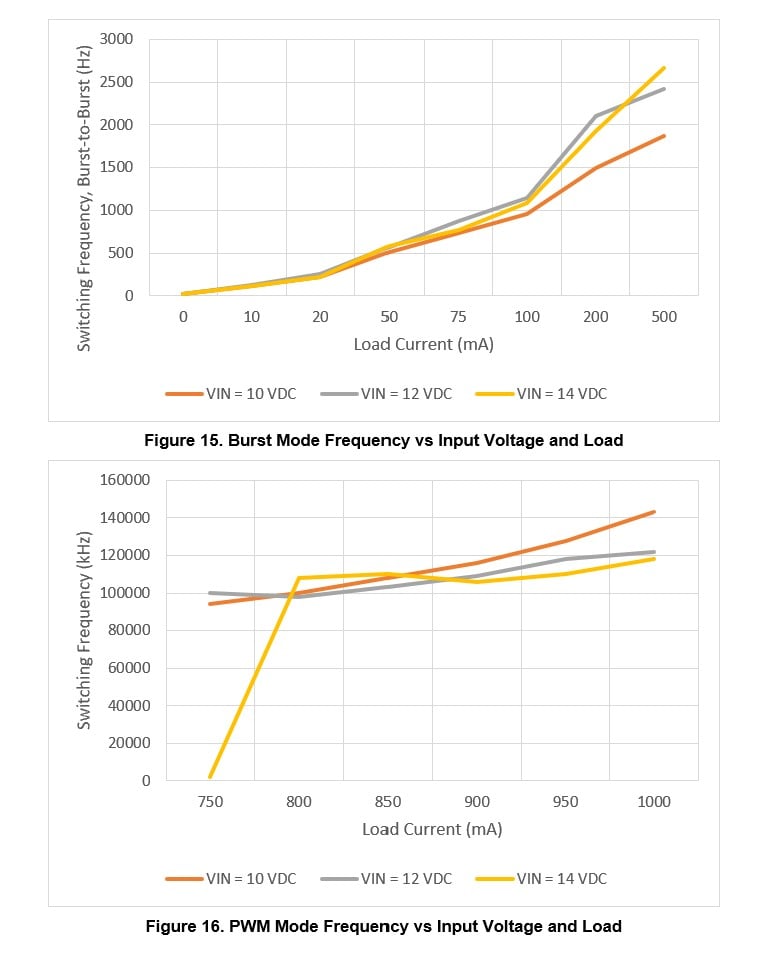
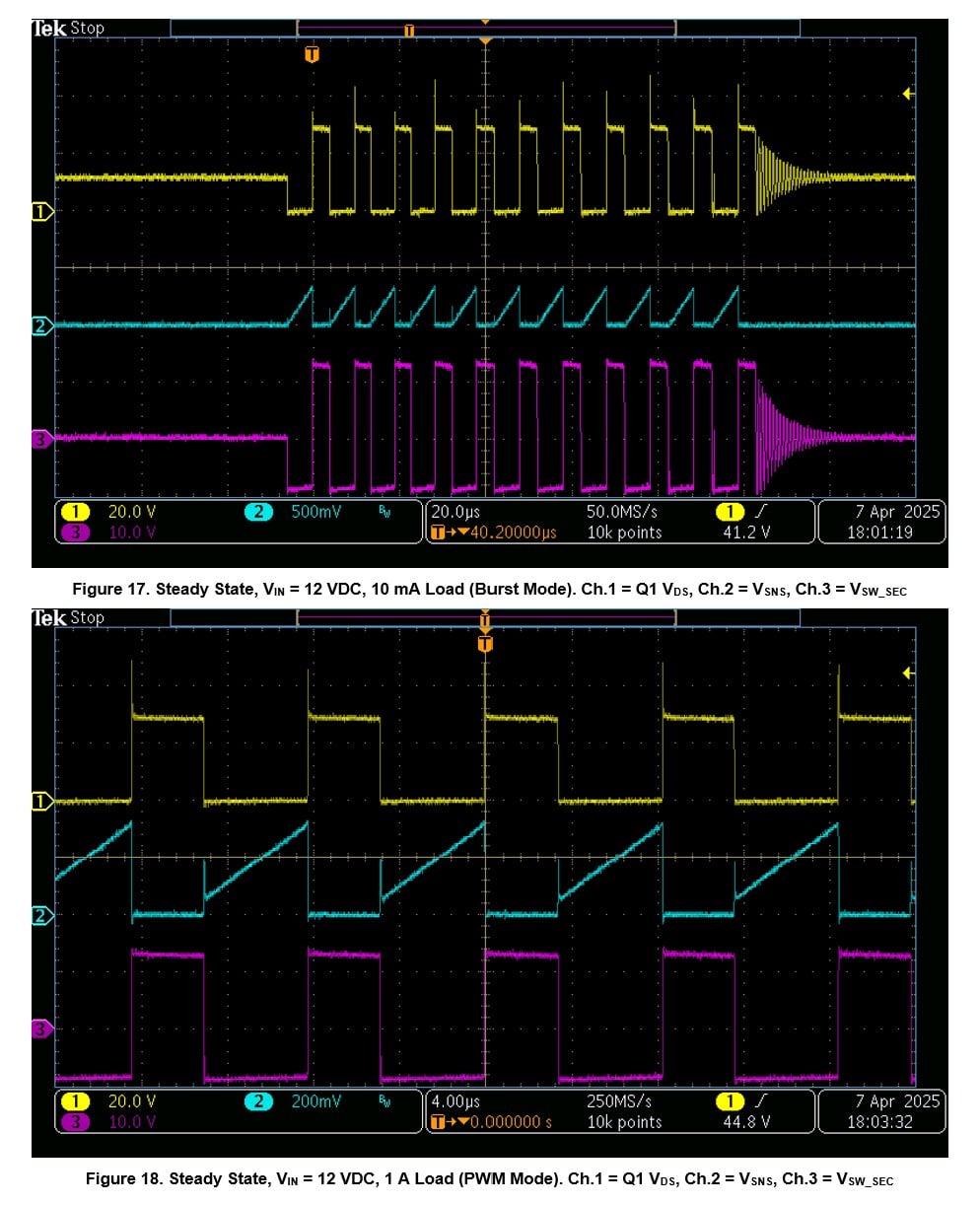
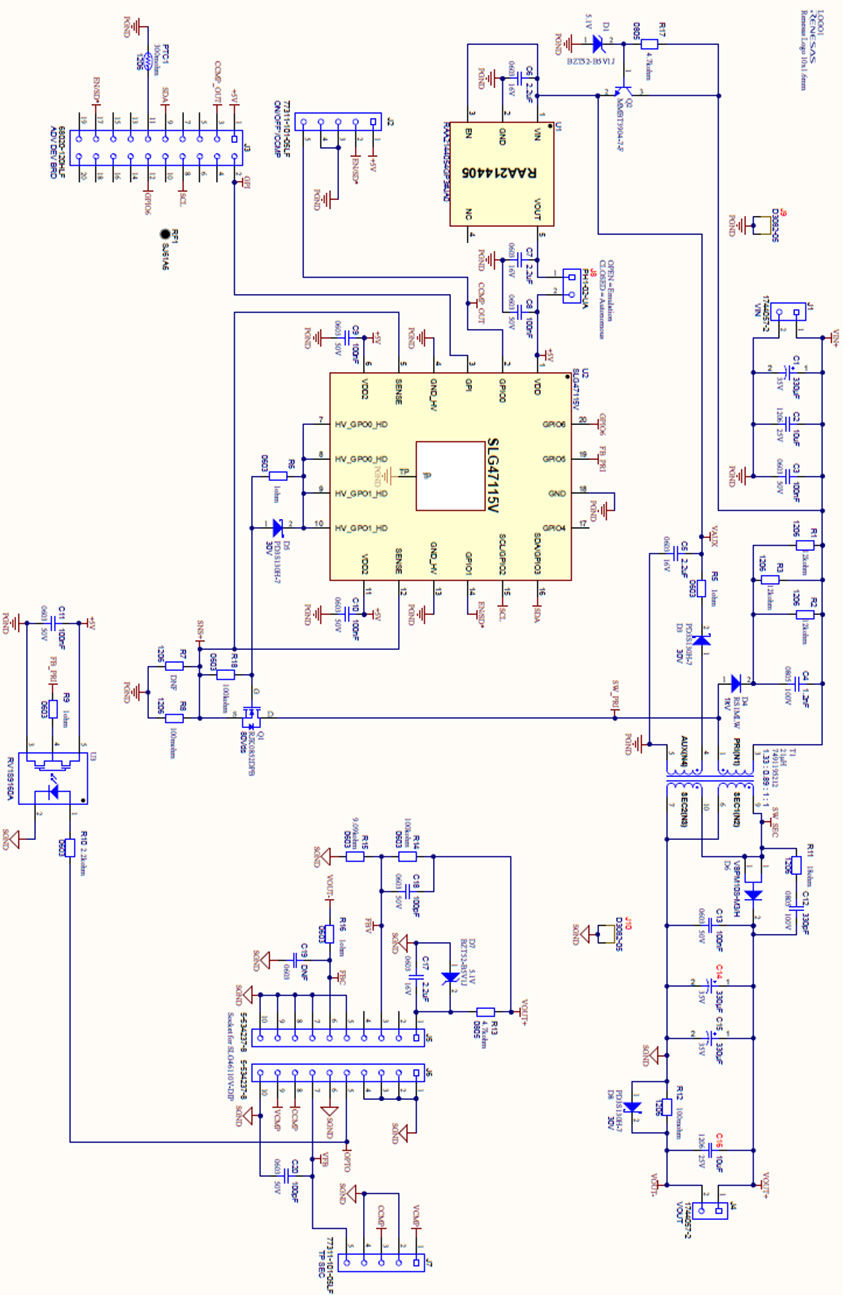
Complete circuit schematic
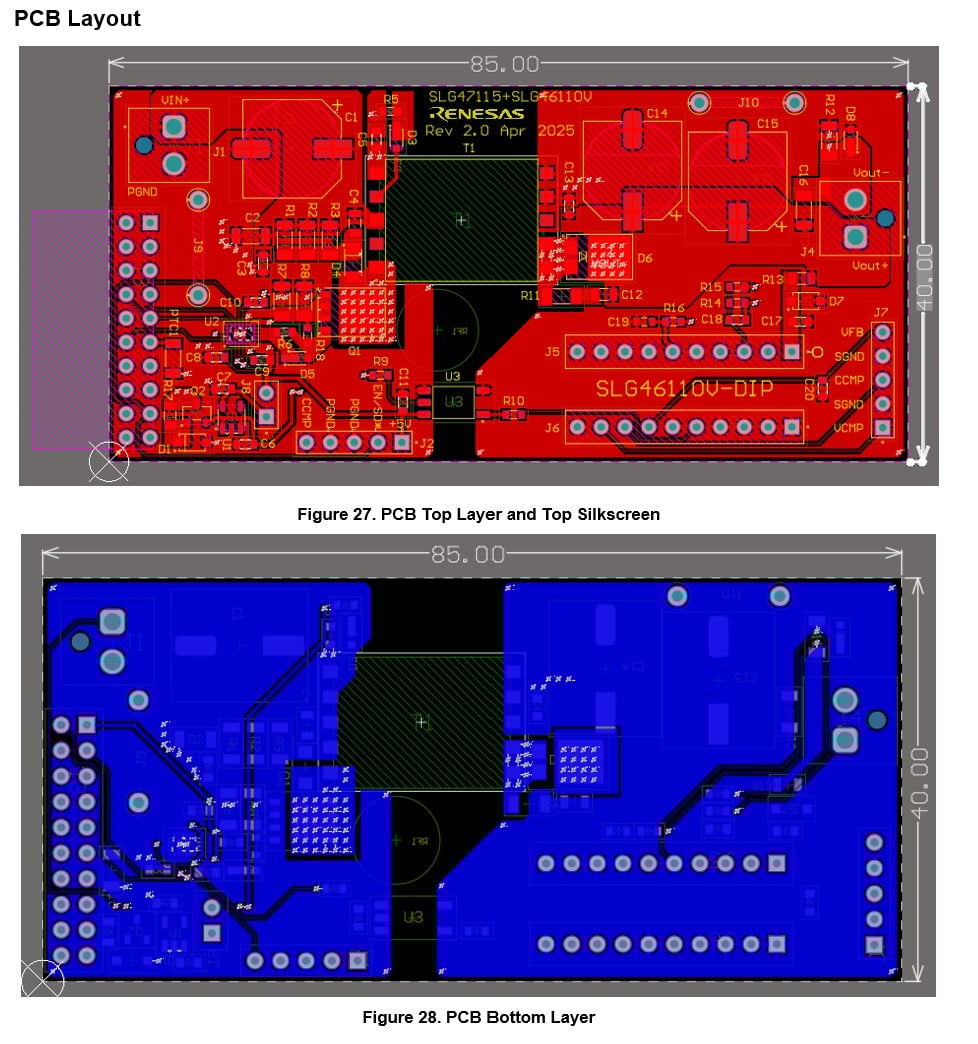
PCB layout
Bill of materials

Conclusion
This design demonstrates that the SLG47115 goes well beyond its motor control roots. Leveraging its integrated power half-bridges and high-speed comparators, it enables a flexible low-side switching regulator architecture using hysteretic and peak current control. The achieved efficiency and power density rival those of traditional flyback controllers, with the added advantage of a versatile mixed-signal feature set that opens the door to system-level integration and innovation.