




As robotic systems become more advanced, tolerance for electronic failure continues to shrink. Even microscopic contamination on a control board can disrupt signal integrity, contribute to electrochemical migration, or cause intermittent faults, issues that are costly, difficult to diagnose, and unacceptable in high-reliability applications.
From industrial automation and logistics to medical and service robotics, today’s systems rely on complex, densely populated electronic assemblies that must perform consistently under demanding conditions. Ensuring reliability begins during manufacturing, with effective precision cleaning.
The critical role of PCBAs in robotics
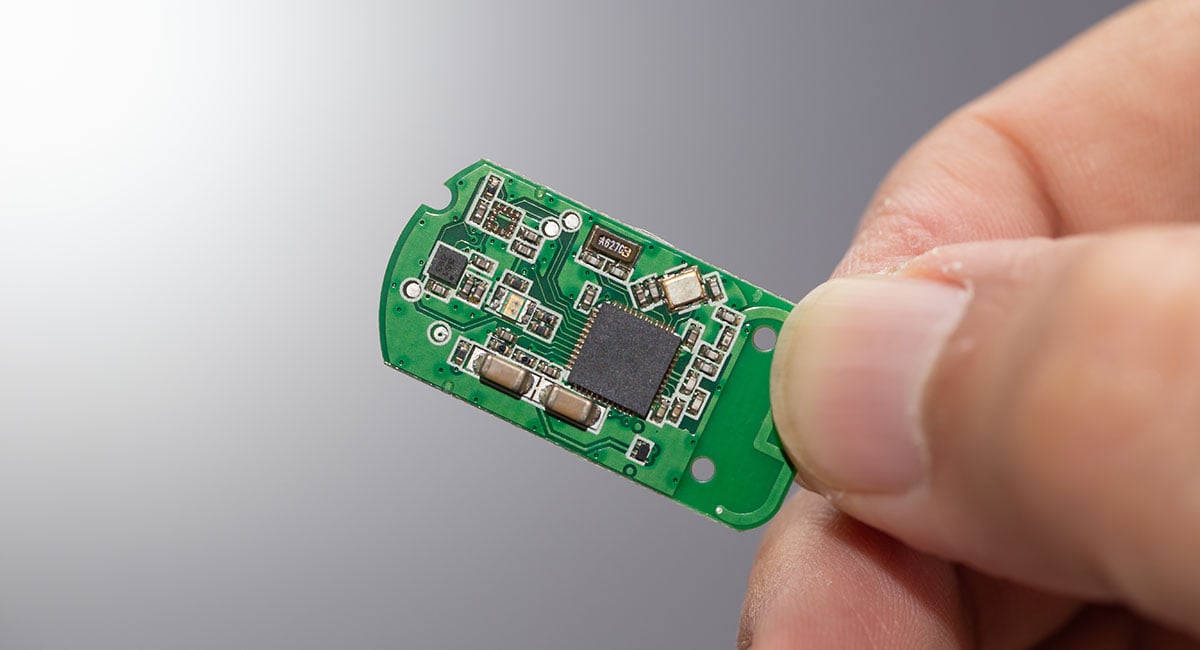
Modern robotic platforms depend on tightly integrated printed circuit board assemblies (PCBAs) to manage control, sensing, and communication. These assemblies process real-time data, coordinate movement, and enable safe, predictable operation.
As designs become more compact, component spacing shrinks and standoff heights decrease. While this increases functionality, it also creates challenging geometries where contamination can become trapped beneath components and within narrow gaps; areas difficult to clean using conventional methods.
Contamination: a hidden threat
During assembly, PCBAs are exposed to contaminants such as flux residues, ionic materials from process chemicals, particulates, and organic residues from handling.
Even at low levels, these residues can compromise performance. Ionic contamination may trigger electrochemical migration, while organic films can reduce insulation resistance or interfere with sensitive signals. In robotic systems, these effects can lead to drift, instability, or premature failure.
Contamination also affects downstream processes. Conformal coatings, used to protect electronics from environmental exposure, require clean surfaces for proper adhesion. Residual contamination can reduce coating effectiveness and long-term durability.
Cleaning challenges
Modern robotic electronics present significant cleaning challenges. High-density assemblies, fine-pitch components, and low-clearance geometries create hard-to-reach areas where residues persist.
At the same time, advanced materials such as flexible circuits, ceramics, and high-performance laminates require cleaning processes that are both effective and material compatible. These demands require controlled precision cleaning processes supported by engineered fluids.
Precision cleaning with engineered fluids
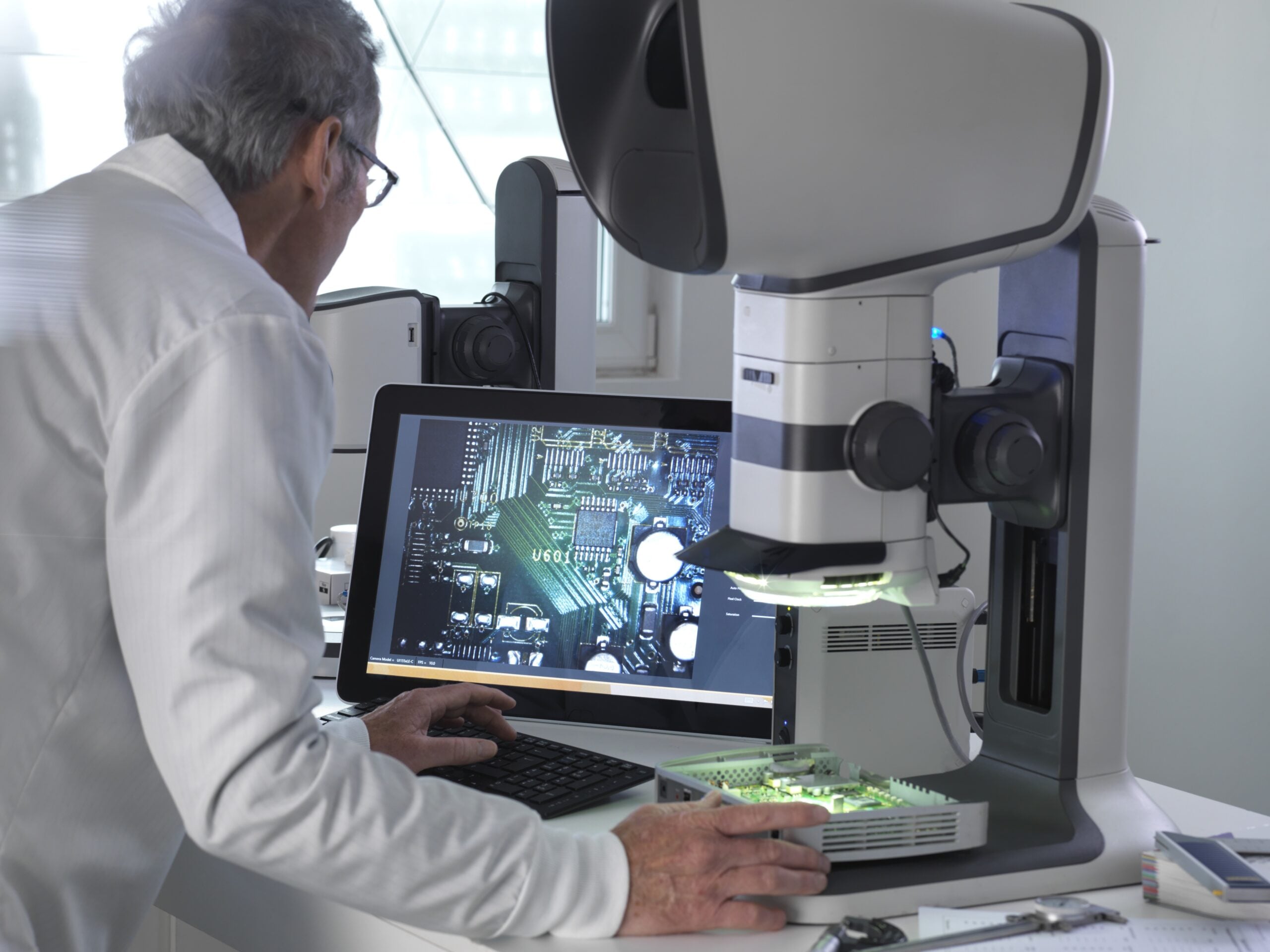
Manufacturers increasingly use precision cleaning methods such as vapour degreasing, supported by advanced cleaning fluids designed for electronic assemblies.
These fluids have very low viscosity and surface tension, enabling penetration beneath components and into tight geometries where contamination remains. They effectively remove ionic and organic residues, even in complex assemblies.
They are also engineered to dissolve and lift contaminants while evaporating rapidly and leaving minimal residue. This fast evaporation prevents redeposition and ensures assemblies are clean, dry and ready for inspection, testing, or conformal coating.
Equally important, modern cleaning fluids are compatible with sensitive materials used in robotic electronics. In controlled vapour degreasing systems, they operate within stable, closed-loop environments that maintain consistent conditions, prevent recontamination and support repeatable results.
Supporting reliable manufacturing
Precision cleaning is not just about removing visible residues. It is about controlling risk at the microscopic level.
By combining engineered fluids with stable processes, manufacturers can improve electrical reliability, reduce electrochemical failure risks, enhance coating adhesion, and ensure consistent results across production.
Cleanliness as a foundation for reliability
As robotic technologies evolve, the performance of their electronic assemblies becomes increasingly critical. Precision cleaning plays a key role in ensuring these assemblies operate reliably over time.
With the right combination of process control and purpose-designed fluids, manufacturers can achieve the cleanliness required for today’s high-reliability robotic systems.
Partnering for process confidence
Achieving optimal cleaning results often requires more than selecting the right fluid. It benefits from working with an experienced supplier. A knowledgeable partner can provide contamination analysis to identify residue types and sources, helping determine the most effective cleaning approach.
Suppliers can also conduct in-lab or on-site cleaning trials to validate performance, ensure material compatibility, and optimise process parameters. This reduces implementation risk and confirms results before full-scale production.
Ongoing field support further helps manufacturers set up and maintain systems, refine processes and adopt best practices, ensuring consistent cleaning performance and long-term reliability in robotic electronics.
About the author:
Elizabeth Norwood is a Senior Chemist at MicroCare, LLC, which offers precision cleaning solutions. She has been in the industry for more than 25 years and holds a BS in Chemistry from the University of St. Joseph. Norwood researches, develops and tests cleaning-related products. She currently has one patent issued and two pending for her work. For more information, visit microcare.com.