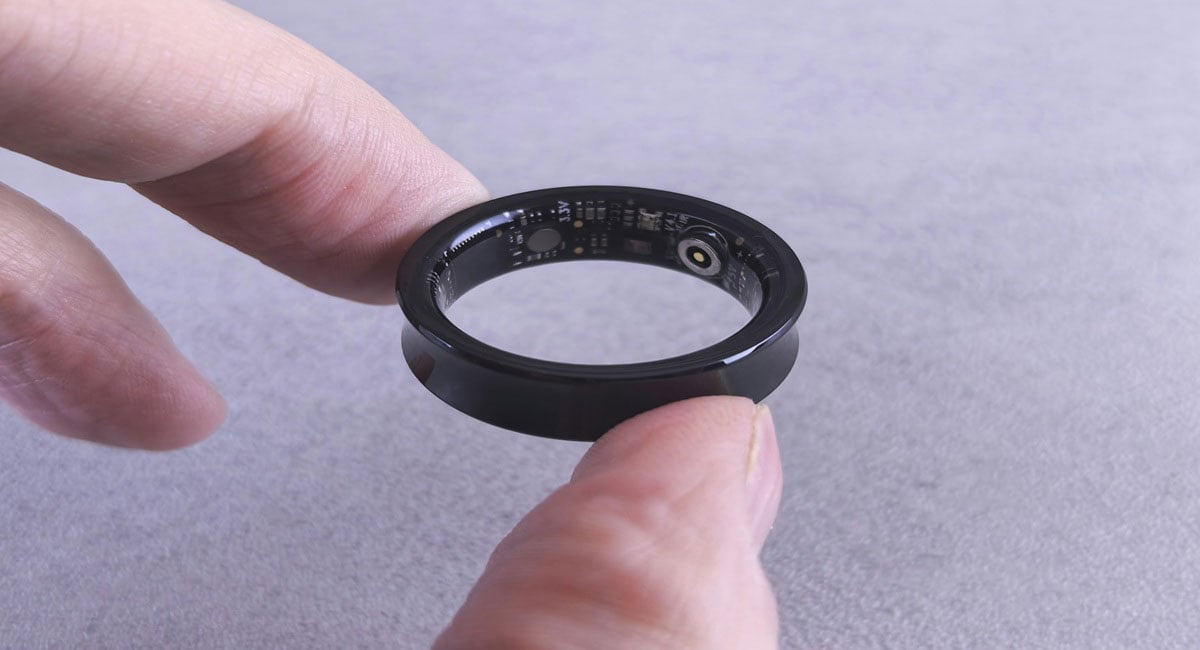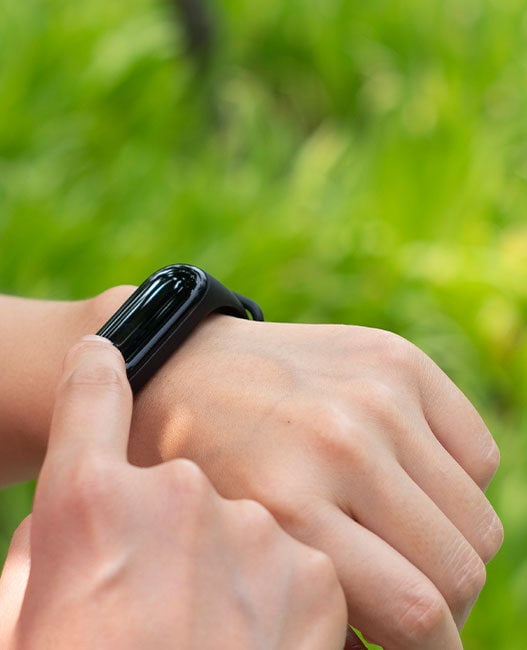










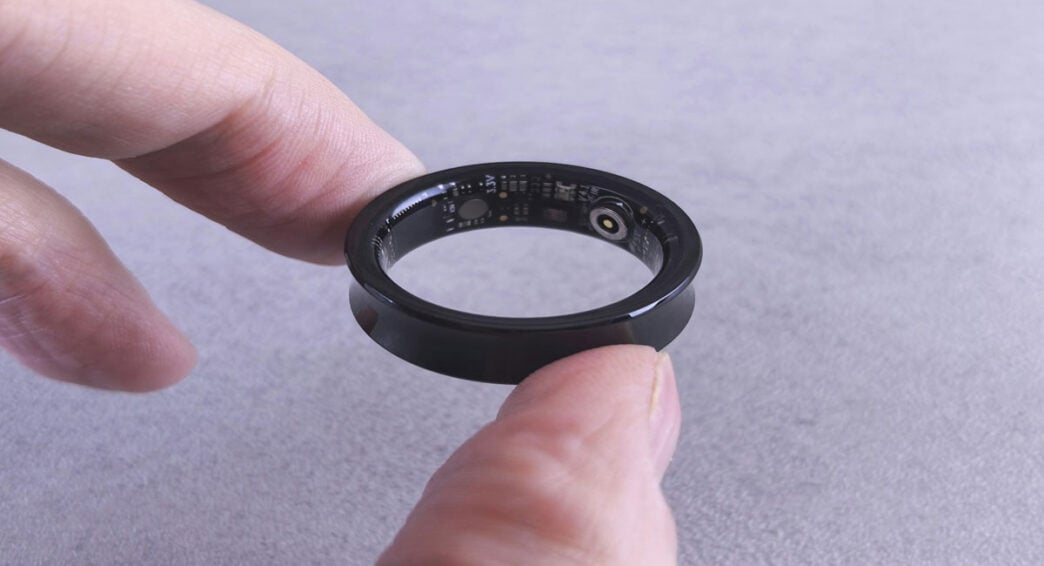
While miniaturising devices and wearables is convenient for people who wear smart rings or fitness trackers, it could lead to an accuracy crisis. The device’s size impacts its sensors, robust hardware, and antennas, making it difficult for these instruments to produce correct results. Poor accuracy in wearables can lead to critical errors in the medical and fitness fields.
However, manufacturers are working on innovations to remedy these issues in miniaturised wearable devices.
How miniaturisation affects accuracy
Wearables are convenient devices, but accuracy is their most important component.
Overheating, straining material, and weak signals negatively impact the accuracy of wearables.
Overheating potential
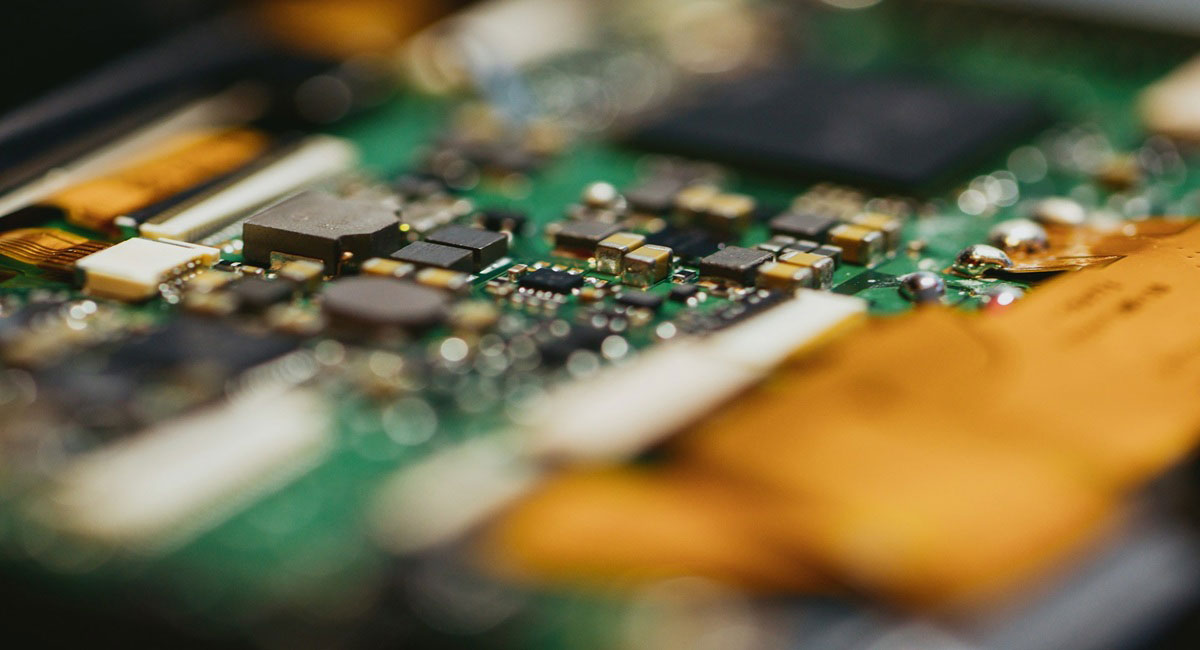
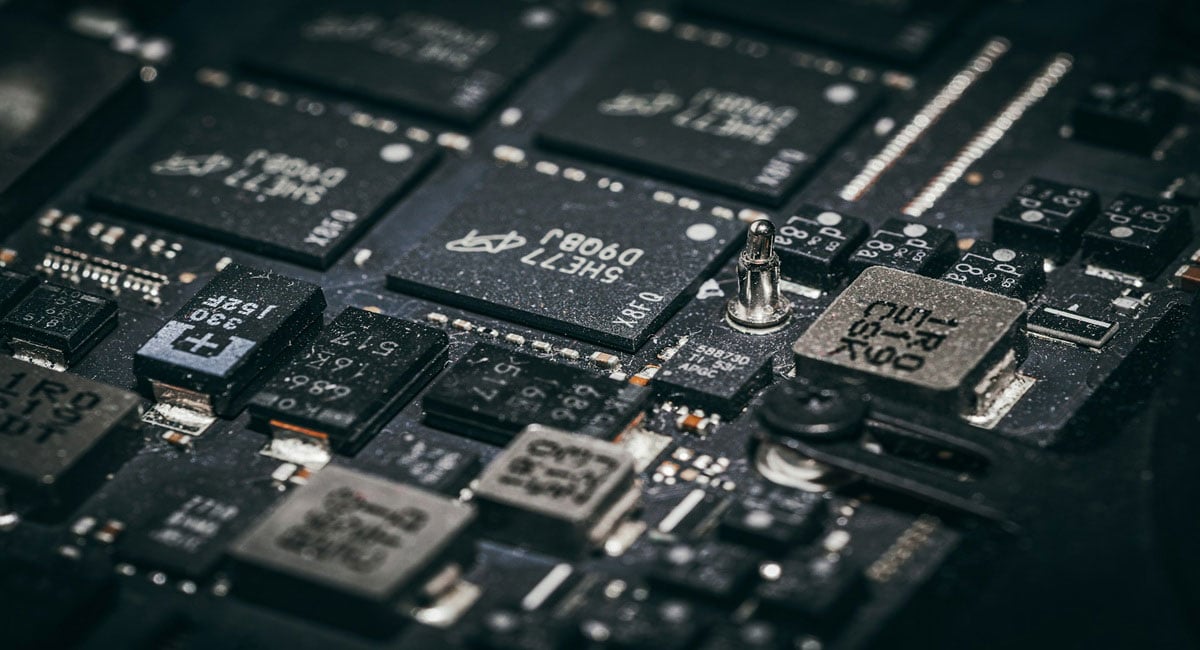
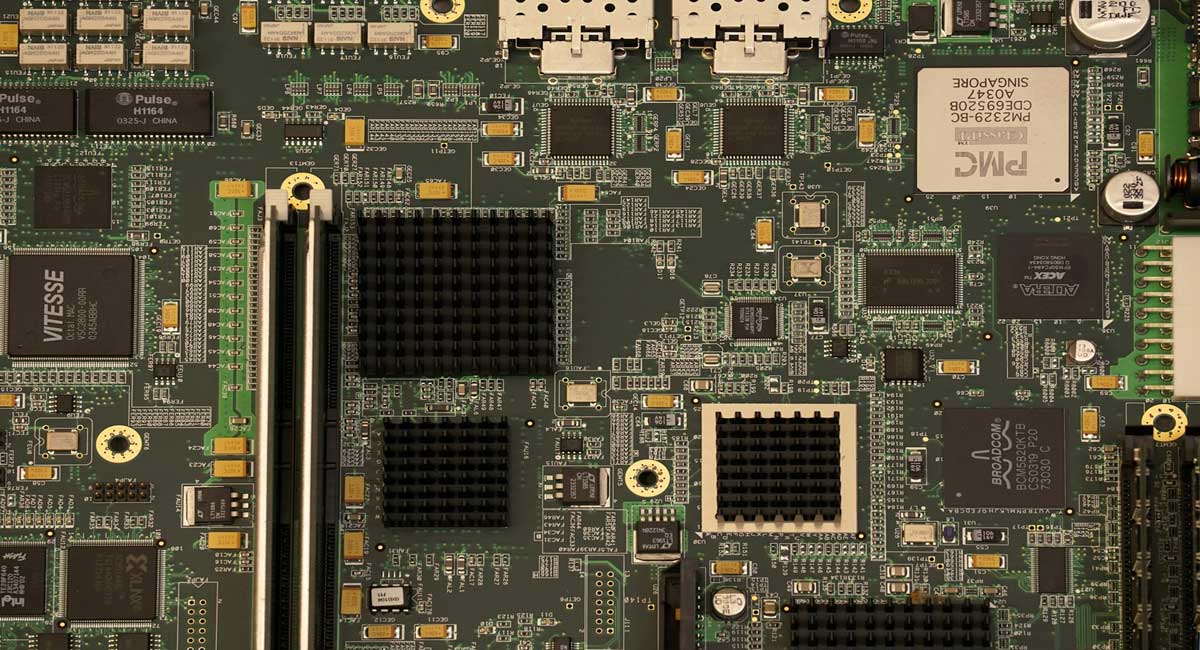
Making a device smaller causes all its components to shrink as well. With a reduced surface area, each piece is closely packed, sometimes even touching. This causes the device to overheat, potentially damaging or slowing its operations and resulting in inaccurate measurements. It can also become uncomfortable for the wearer, as the devices often come into contact with their skin.
Material strain
Because people often wear miniaturised wearable devices on their wrists or arms, the material must be stretchable, since standard-sized monitoring equipment is often rigid and uncomfortable. However, the stretchy materials used in miniaturised devices can strain internal components, leading to inaccurate readings. Wearables cannot transition back to hard materials, as this would disincentivise people from wearing them.
Signal-to-noise ratios
Because of the device’s size, the signal may degrade and weaken, allowing signals and noise to interfere with the results. For example, it could increase the heart rate of someone with a normal heart rate, leading the wearer to believe they are developing a heart problem. The outcome is less reliable data, which lowers the device’s overall value.
How poor accuracy affects different sectors
Many sectors rely on miniaturised wearable devices to deliver accurate results that inform fitness routines and medication intake.
Health and fitness
If small devices are inaccurate, they provide wearers with false heart rate variability, blood oxygen, and sleep cycle data. People could misinterpret their heart rate or sleep schedule, leading to inaccurate health assessments and flawed training regimens. They may put their bodies under unnecessary strain, leading to more serious health issues and, in some cases, a lawsuit against the manufacturer.
Medical alerts
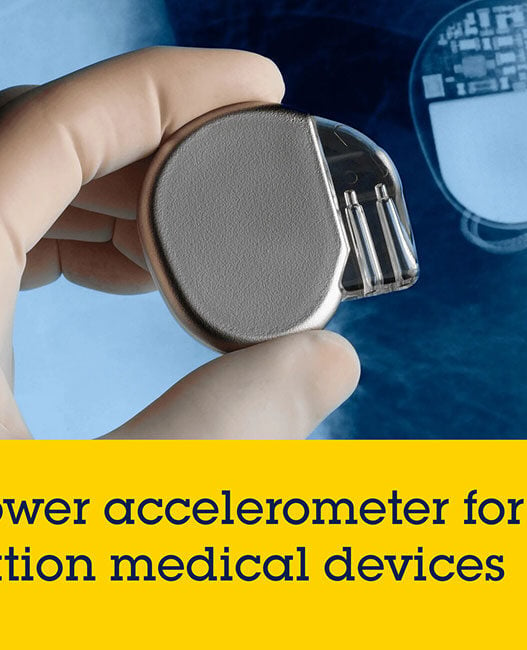
Many medical professionals rely on wearables to deliver alerts to their older patients or those with medical conditions that require monitoring. Some devices are programmed to detect falls and monitor chronic conditions. Inaccurate data can report false falls or fail to report a real fall. It can also make medical professionals believe chronic conditions are worse or better than they actually are, causing increased medication or other treatment that the patient does not need.
Innovations for small devices to overcome accuracy issues
While inaccuracy is an issue in the small-device industry, manufacturers are working to address it while keeping devices at a convenient size.
Improved electronic calibration
Proper calibration enables safety-critical equipment in health care and other sector applications to function properly. Manufacturers are working to produce more accurate baselines for data to improve electronic calibration on these small devices. They still need improvement in other areas, but this is a step in the right direction.
Miniaturised AI models
Another solution is to install miniaturised AI models onto devices. They can use machine learning to detect issues and make decisions directly on the device, which limits signals elsewhere and reduces the signal-to-noise ratio. These models could improve overall accuracy and speed up the device.
Combined sensors
To address the issue of multiple components on one small surface, manufacturers are combining sensors to perform multiple tasks simultaneously. This improves accuracy by combining sensor data to produce a single, well-informed result. While this type of innovation is still in development, its fruition could enhance sensor technology as a whole.
Implemented nanomaterials
Nanomaterials are already used in some sensors, and they are a good way to reduce overheating in miniature devices. They dissipate heat, preventing it from building up inside components and affecting the surrounding area. Since many components are necessary for the device to operate, nanomaterials can limit the negative impact of increased heat and improve the accuracy.
Accuracy must improve in wearables
The high demand for miniature wearables is hindering the accuracy of the device’s results, since current technology cannot sustain multiple components working together in a small space yet. Manufacturers and industry stakeholders are working to combat the issue, improving accuracy as they shrink.