





Hello and welcome to the first women in tech editorial column for 2026!
To kick us off into the year, I reached out to some of the women and men who are champions of equality and diversity to find out what sources of inspiration they draw upon and what they can pass on to you, the readers.
This article was inspired by feedback the Electronic Specifier team received at embedded world 2025, where women told us that they wanted to find, learn about, and share sources of inspiration with other women and allies in the industry.
So, I set about asking my network two questions.
One: Are there any inspirational books, films, podcasts, or resources you would recommend to other women in tech and why?
Two: What one wish would you like to see happen to move the dial for women in tech over the next year?
I will leave you with the responses below, which I hope will inspire you and perhaps become a source of comfort or encouragement during those times when you might need it.
Happy 2026, and happy reading.
Linda Johnson, Executive VP Operations, DigiKey
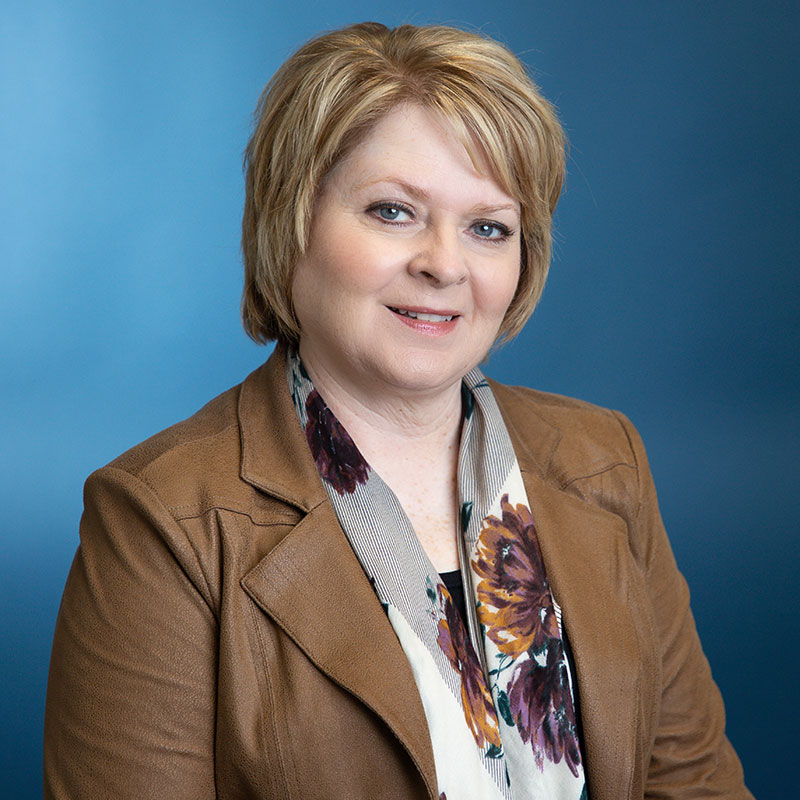
‘The 5 Graces of Life and Leadership’, by Gary Burnison. In a world marked by so much divisiveness, this book serves as a powerful reminder that cultivating gratitude, resilience, aspiration, courage, and empathy can help us rise above challenges and be our best selves.
I wish that those of us who are leaders within the tech industry become multipliers. Only by making a conscious effort to recognise opportunities to advocate for, support, encourage, recognise, and celebrate other girls and women in tech will we continue to move the dial. My mother always told me, as a young girl, that I could do anything if I just set my mind to it. I’ve repeated this often to my own children throughout their lives. Our greatest achievement as leaders will be knowing that we’ve played a role in the success of others.
Vince Pizzoni, professor, mentor, sponsor, trustee/NED

All of these are great to read and leave the reader wanting to do more to help in the technology sectors highlighted:
‘Power Up: An Engineer’s Adventures into Sustainable Energy’, by Yasmin Ali. A wonderful personal story of Yasmin’s journey from Iraq to renewables.
‘Valued at Work: Shining a light on bias to engage, enable, and retain women in STEM’, by Lauren Neal. Another personal journey, but this time through the adventures of two managers.
‘Building Women’, by Faye Allen, Faye talks about the problems that both men and women face in construction and identifies solutions.
‘The Mentors Journey from Learning to Leading’, by Bamidele Farinre. Another personal story from childhood to mentor.
‘HER-ALLIES: A Practical Toolkit to Help Men Lead Through Advocacy’, by Hira Ali. Male allyship.
More sponsorship of women is key. Careers are accelerated through active sponsorship by senior leadership, and there is not enough happening in the industry to keep women. The recent Lovelace Report indicated up to 60,000 women leave tech in a year, largely because of culture, lack of opportunities, and no sponsorship.
Marie-Pierrie Ducharme, Vice President, EMEA Marketing and Business Development, Mouser

‘Take Your Career to the Next Level with Practical Advice and Inspiring Stories’, by Tarah Wheeler. Beyond the practical guidance, it was the authentic stories of women’s experiences that I found most inspiring. It’s well-written, easy to digest, and you can only pick the chapters that are relevant to you if you want.
We need to move from conversation to action. Discussion is important, but progress requires action. This is the time for senior leaders to move beyond awareness and take concrete actions. Leaders need to actively champion women’s advancement, open doors, and use their influence to ensure that talent and potential never go unseen.
Bob Stavig, Co-author of ‘Retaining Women in Engineering: The Empowerment of Lean Development’

The film ‘Hidden Figures’ is a must-see.
‘Beyond the Pipeline: Redefining Value, Success, and the Future of Women in STEMM—Together’, by Cassie Leonard compiles the stories and experiences of 17 women about their STEM career experiences.
‘Valued at Work’, by Lauren Neal follows two males in their efforts to attract and retain women in STEM.
‘Making Flex Work: Defining Success on Your Own Terms’, by Wendy Cocke, covers how to add flexibility to the work schedule.
‘Women in Engineering – Gender, Power, and Workplace Culture’, by Judith Mcilwee and J. Gregg Robinson, is a pure research-based book.
I have two wishes to move the needle relative to women in engineering:
1. Recognise that until we change the way the work of engineering is done, we will see no measurable progress
2. The only place to drive change is through female engineering students
(And I believe my book, with Alissa, is a textbook that should be used.)
Debbie McDade, MD, A.R.T

‘Women Code Breakers: The Best Kept Secret of WWII’, by Elise Baker. How can anyone not be inspired by the real stories of real women who were quietly helping to change the course of history!
For real-life resources, the Women’s Engineering Society. The title of their recent newsletter says it all: ‘Women in Engineering uniting to support each other and inspire the next generation’.
If I could make one wish over the next year that would move the dial for women working in tech, it would be for companies to introduce clear and accountable systems that support women at every stage of their careers. The industry has made progress in attracting women, but the real difficulties often appear once people are inside an organisation. Visibility, development and progression are not always offered in an even way, and talent can be overlooked without anyone intending it.
From my own experience, mentoring is valuable, but sponsorship from senior leaders often has a bigger impact. When someone with real influence is prepared to stand behind your development, speak for you in the room and put your name forward for opportunities, it creates genuine change. Relying on informal or occasional support is not enough, and that is why structures that encourage consistent sponsorship are so important.
To make this work in practice, organisations need open promotion criteria, regular reviews that check for pay fairness, and performance assessments that are carefully calibrated so they are not shaped by unintentional bias. They also need reliable information on how women are progressing at different levels, so they can identify where action is needed and follow through on it. This is not about meeting a target for the sake of it. It is about making sure that development and recognition are based on contribution and potential.
If these measures were in place, women would have better access to meaningful development opportunities, clearer routes into leadership roles and more confidence that their work will be recognised in the right way. It would also help teams create a culture where people feel supported and where decisions about progression are fair and easier to understand.
My wish is simple. I would like to see more organisations put consistent, practical systems behind their intentions. If that happened, it would create a real shift for women who want to build and sustain long term careers in the tech sector.
Mateja Lampe Rupnik, CEO, Red Pitaya
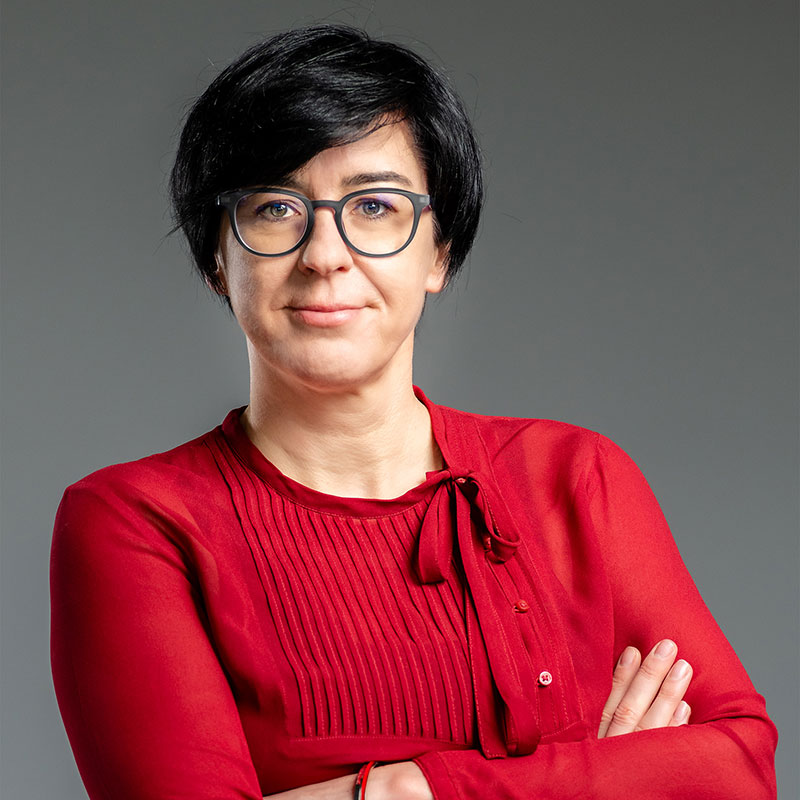
My most inspiring reads are biographies of strong women from the past – those who opened new paths through courage, resilience, and self-belief. Their stories remind me how determination and vision can reshape entire fields. Their journeys show that progress is often built step by step by women who dared to think differently and stayed true to their purpose.
My wish for the coming year is to see more initiatives that spark girls’ curiosity about science and technology already in primary and high school. Our focus should be here. Encouraging young girls is how we shape the future of technology to reflect the full spectrum of human talent.
Beatriz Soriano, North, West, A&D and Communications, Equipment Area Director, Texas Instruments

‘Lean In’, by Sheryl Sandberg, inspired me to pursue leadership roles when I was hesitant, and I strongly believe that more female leaders are needed in technology.
‘Fixable’ podcast hosted by Anne Morris and Frances Frei, and ‘Women at Work’ from HBR offer practical advice for real workplace problems in a way that feels authentic and relevant. I often get strategies that I can start applying immediately.
My one wish for next year is that companies double down on evidence-based inclusion practices even as the US rolls back DEI policies. With federal support shrinking, organisations must proactively protect equitable hiring, promotion, and retention practices. If leaders commit to keeping workplace inclusion as a priority – because of its positive business impact, regardless of political headwinds – we can prevent regression.
Ruth Gray, Director of Sales, Z2Data
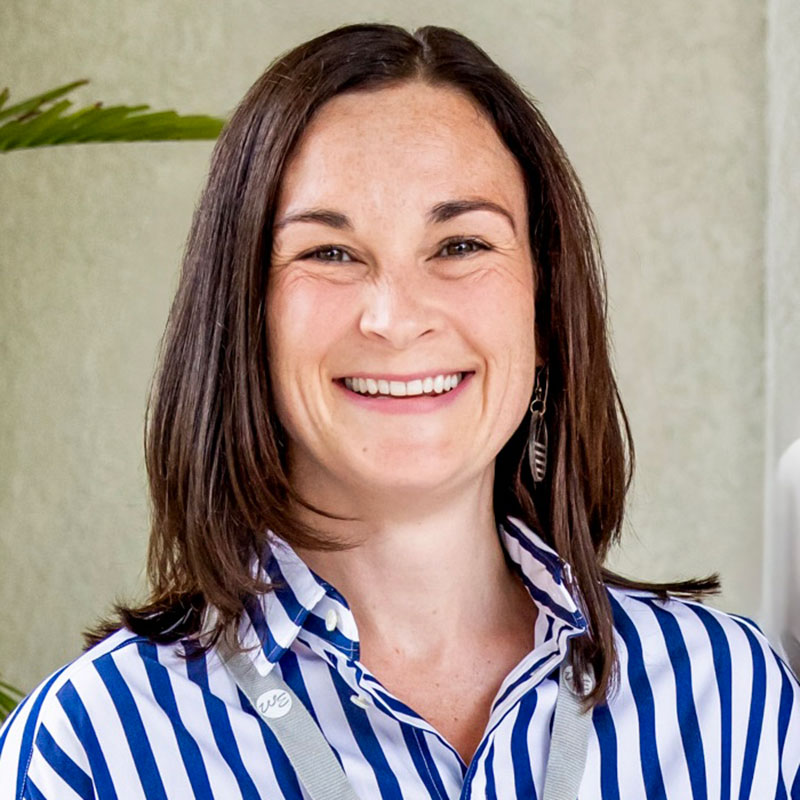
There are so many great podcasts out there. Of course, I’d recommend the WE United Podcast, which features industry leaders and great topics from sustainable leadership to the impact of tariffs to the supply chain.
‘Lean In: Women, Work, and the Will to Lead’ by Sheryl Sandberg is on my list to read this year.
Film-wise, one of my favourite things to do at the moment is settle down to watch Star Wars with the family. There are strong female role models aplenty in those!
Systemic Change! It’s such a bizarre global situation right now with regard to Women in Tech. We’re in a moment of real DEI backlash in the US, where equity efforts are being rolled back or quietly deprioritised – removing visibility and accountability.
According to the McKinsey 2025 Women in the Workplace report, corporate commitment to advancing women is visibly declining: only about half of companies now say women’s career advancement is a high priority. That’s horrendous! The report also continues to show the same patterns year after year: women, especially women of colour, are advancing more slowly, leaving tech at higher rates, and getting stuck at broken middle-management layers. These aren’t pipeline issues – they’re systemic failures.
Conversely, in the EU, with regulations like the CSRD, equity, workforce data, and transparency are becoming key governance and compliance issues. So, what I’d like to see is simple but powerful: make measurable accountability for equity non-negotiable. We need transparent progress reporting, executive compensation tied to outcomes, and real sponsorship for women in technical and leadership roles. I feel very hopeful about the future of the electronics industry and the tech industry as a whole, but we do need systemic change.
Fang Tuurnala, Sr Director, MEMS Process, SiTime
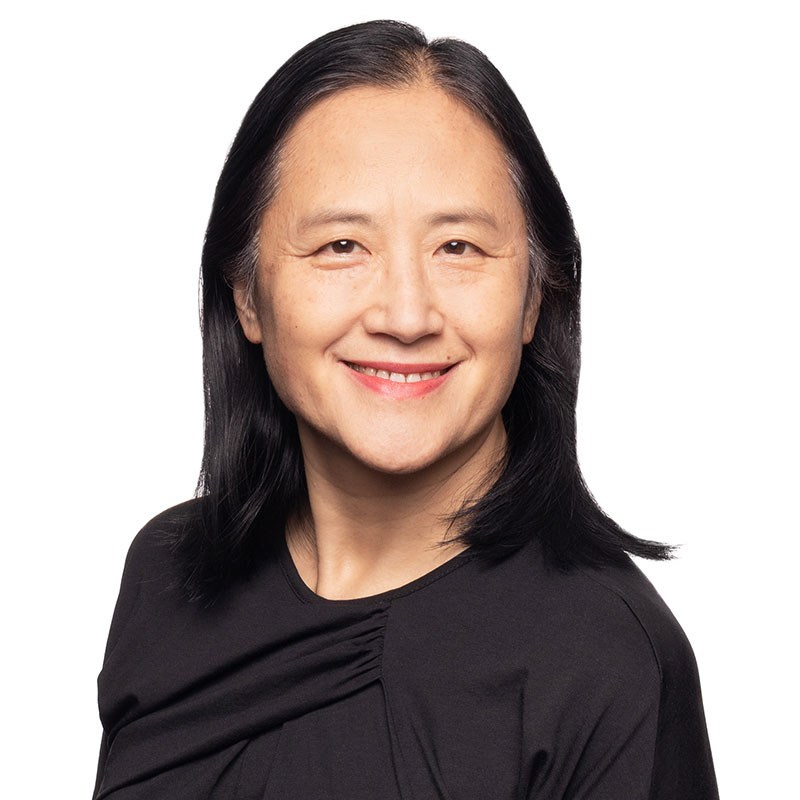
‘Three Body’, Liu Cixin, sometimes translated as ‘Three Body Problem’ is fascinating for its bold ideas, and how the author managed to put history, science, and fiction all together and attract people to go deeper into the three body problem.
I want to see more confident women in tech in the coming year. Confidence comes from knowing yourself, being happy with what you are, understanding others, and then being the best of yourself.
This article originally appeared in the January’25 magazine issue of Electronic Specifier Design – see ES’s Magazine Archives for more featured publications.