





Smart home technology has come a long way in recent years. Today’s average home features an expanding array of connected devices, from voice assistants and smart thermostats to security cameras and automated lighting systems. Despite this growth, many homes still suffer from fragmented device ecosystems. Devices from different manufacturers often fail to communicate efficiently, requiring separate apps, hubs, or custom integrations. This disjointed experience limits the smart home’s potential.
Interoperability standards offer a path forward. Among these, the Matter protocol has emerged as a leading solution. Developed by the Connectivity Standards Alliance (CSA) and backed by major industry players, Matter provides a universal language for smart devices to work together reliably and securely.
As this standard matures, it is enabling more than convenience. The next phase of smart home evolution is centred on sustainability. Through seamless coordination of devices, more efficient resource use becomes possible. Lighting, climate control, water management, and energy consumption can all be orchestrated more precisely. This article explores how Matter’s latest advancements and supporting technologies drive this shift, and how engineers can build integrated, resource-efficient smart homes using readily available components.
Matter’s latest advancements and their impact
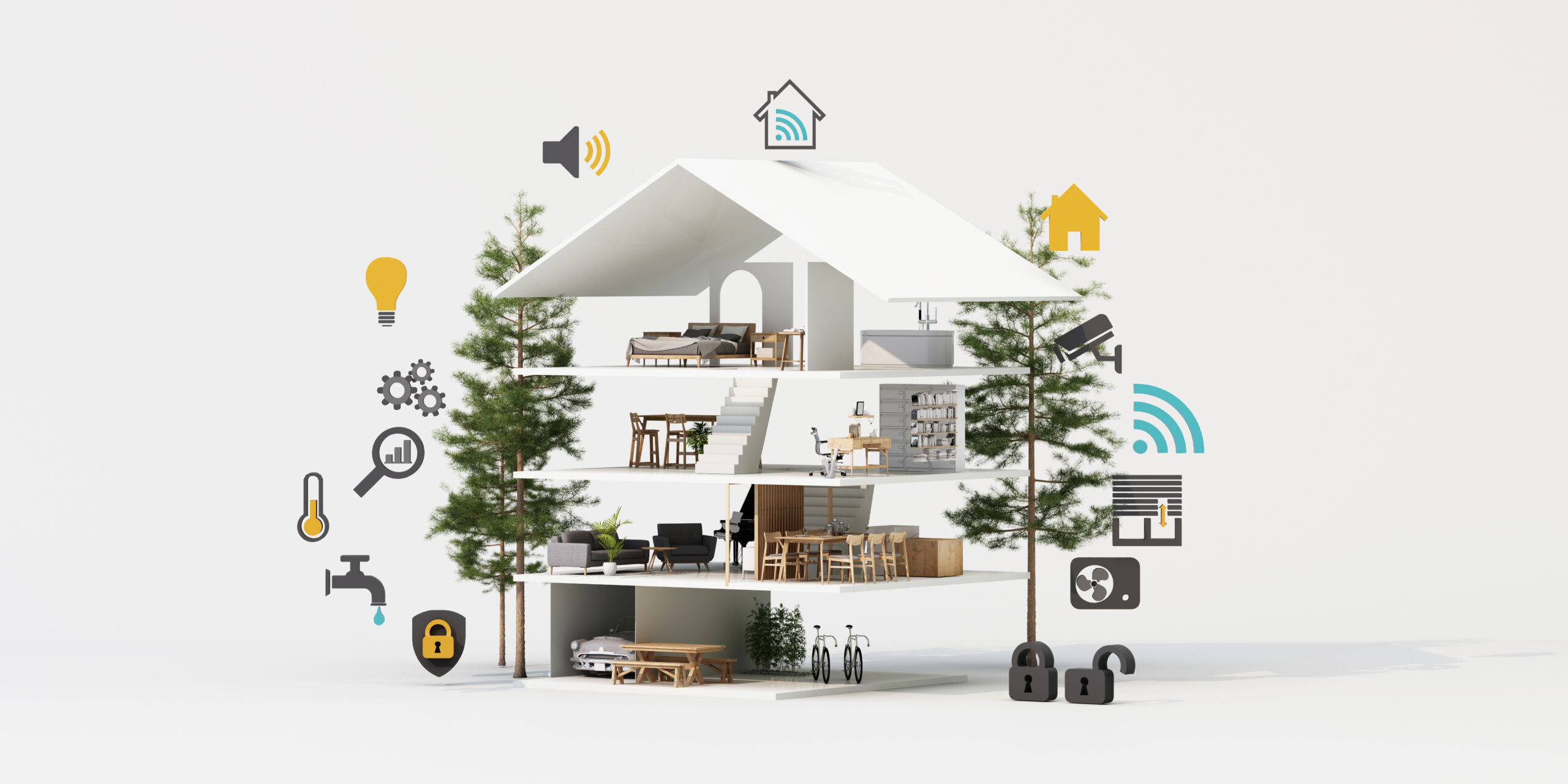
Matter solves a fundamental challenge in smart home development: the lack of interoperability. It enables devices from different brands and ecosystems (Figure 1) to work together using a shared data model and communication structure. By standardising device interactions across platforms such as Apple HomeKit, Google Home, Amazon Alexa, and Samsung SmartThings, Matter greatly simplifies the development and deployment of smart home products.
Recent updates to the Matter specification have significantly expanded its capabilities. Matter 1.3 and 1.4 introduce a range of enhancements that bring smart home systems closer to delivering measurable sustainability outcomes.
One of the most notable additions is real-time energy reporting, which enables devices to transmit detailed information about power usage to a central platform. This allows for more informed energy management, as home automation systems can dynamically adjust consumption based on real-time data. For instance, this feature can reduce heating, ventilation, and air conditioning (HVAC) output during peak pricing periods or turn off idle appliances.
Matter 1.3 also introduced support for water management. Water usage reporting allows for better visibility into household consumption patterns. Combined with leak detection and automated valve control, this feature helps prevent costly water damage and encourages conservation. These capabilities open the door for smart irrigation, plumbing systems, and household appliances that contribute directly to sustainability goals.
Another significant update is command batching. This feature allows multiple device commands to be grouped and executed simultaneously. By reducing the number of individual communication events, command batching improves response times and reduces network congestion. It also enables complex multi-device routines, such as turning off all lights, reducing thermostat settings, and activating security systems with a single trigger.
Matter’s High Reliability Access Point (HRAP) infrastructure enhances network robustness by enabling Wi-Fi access points to serve as resilient communication bridges, providing improved range and redundancy. This improvement makes Matter more suitable for large or complex home layouts, ensuring consistent device performance even under challenging conditions.
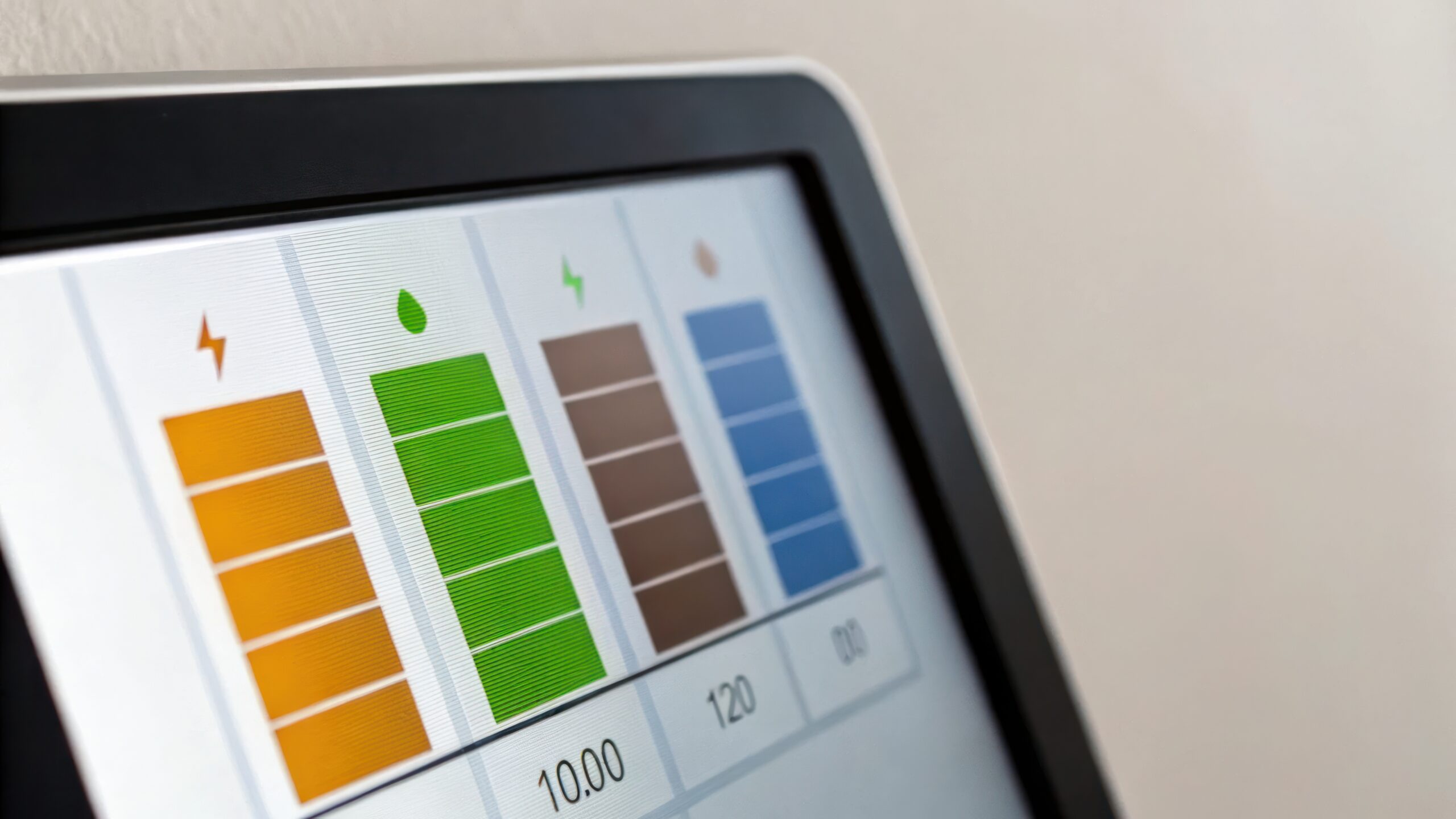
Together, these updates strengthen Matter’s ability to support sustainability-focused applications. By enabling fine-grained control and monitoring of energy and water systems (Figure 2) and improving the responsiveness and reliability of automation routines, Matter equips engineers and integrators with the tools needed to build homes that actively manage their environmental footprint.
Designing the sustainable smart home ecosystem
Seamless interoperability transforms smart home systems from collections of disconnected devices into unified ecosystems. In this model, home energy, water, and environmental systems can coordinate their behaviour based on shared goals and real-time data.
For example, smart lighting and HVAC systems can collaborate to balance comfort and efficiency. During peak energy demand, a central controller might dim lights slightly and raise the thermostat by one degree to reduce load without sacrificing occupant comfort. Smart plugs and appliance monitors can automatically identify devices left on unnecessarily and power them down.
Irrigation systems can adjust watering schedules based on weather forecasts, soil moisture levels, and time-of-day utility pricing. With water usage reporting, the system can also identify unusual spikes that may indicate leaks or overuse, triggering alerts or even shutting off the water supply if a problem is detected.
Electric vehicle (EV) charging stations can coordinate with solar panels, home batteries, and utility rate schedules to minimise cost and carbon footprint. This orchestration depends on real-time data exchange and the ability to control devices based on unified logic.
Achieving this level of coordination requires a scalable, energy-efficient infrastructure. Wireless modules and open development platforms enable the integration of more sensors and actuators throughout the home without adding complexity or excess power draw. Many modern modules now support multiple protocols, including Thread and Bluetooth Low Energy, enabling devices to be placed wherever needed without concern for wiring or battery life.
As the Matter standard evolves, it brings new opportunities for innovation in sustainability, reliability, and user experience. Engineers are now better equipped to create smart home environments that do more than automate; they optimise.
Enabling technologies for interoperable, sustainable design
Building a smart home ecosystem that is both interoperable and sustainable requires reliable, application-specific components. Mouser Electronics offers many technologies that fulfil critical roles in this effort. Two examples, from Analog Devices and NXP Semiconductors, demonstrate how precise motor control and secure wireless connectivity support next-generation designs.
The Analog Devices MAX14874 H-bridge motor driver is a compact, robust solution for controlling DC motors in water management applications. Operating from 4.5 to 36V and delivering up to 5A of output current, the MAX14874 includes overcurrent protection and thermal shutdown. It is ideal for powering motorised water valves, enabling features such as automated shutoff in response to leaks or flow-based conservation routines.
By integrating this motor driver with a microcontroller or wireless module, developers can enable real-time or scheduled control of plumbing systems. These integrations support Matter-compatible platforms and open-source automation solutions, creating a bridge between digital insights and physical actuation.
Complementing this is the NXP RW61x series of wireless microcontrollers. Designed for secure and low-power operation, these MCUs support Matter over Thread, Thread, and Bluetooth Low Energy. Their secure architecture includes cryptographic acceleration and trusted boot features, essential for protecting data and ensuring device integrity in smart home environments.
The RW61x MCUs are well-suited to battery-powered edge devices such as thermostats, environmental monitors, and smart plugs. Hardware and software development kits are available to accelerate product design and certification. With Matter-ready support, these components provide a streamlined path to creating connected devices that are reliable, secure, and interoperable from the start.
Together, components like these enable designers to implement features such as intelligent irrigation control, precision energy monitoring, and automated safety systems. The sustainable smart home becomes a fully attainable engineering goal through the right combination of hardware and standards compliance.
Conclusion: a connected path to sustainable living
Smart home technology is entering a new phase, where convenience and connectivity converge with environmental responsibility. Standards like Matter are eliminating the silos that once fragmented home automation, enabling devices to work together as part of a unified system.
The latest advancements in Matter, from real-time utility monitoring to robust network infrastructure, are laying the foundation for smarter energy and water management. When combining Matter with high-performance components such as motor drivers and wireless MCUs, engineers can design systems that go beyond automation to actively support sustainability.
Seamless interoperability and intelligent orchestration are no longer aspirational features. They are now central to the design of smarter homes, built to optimise resources, enhance efficiency, and improve everyday life.
About the author:

Mark Patrick, Director of Technical Content, EMEA, Mouser Electronics