






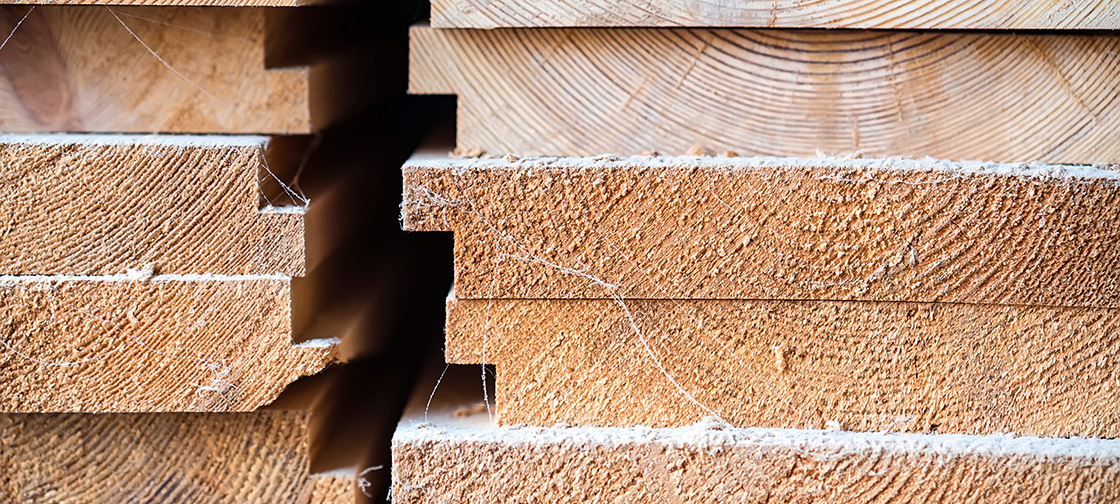
Wood fibres are being used by researchers at KTH to create a new class of stronger and lower-cost electrodes for even lighter and long-lasting flexible electronics and wearables.
A team at KTH reports that it created the new composite material by combining wood cellulose nano fibrils (CNF) – or extremely small filaments known as nanorods – with MXene, a two-dimensional nanoscale conductive material. The wood fibrils provide mechanical strength otherwise lacking in MXenes, and they allow the electrodes to become flexible.
“Our results will eventually help with realizing the development of flexible multifunctional energy storage devices, that is, supercapacitors and batteries, at a lower cost and with higher device-base performance,” says Max Hamedi, a researcher in wood cellulose at KTH who in recent years also developed a soft battery made of aerogel foam from wood pulp.
Hamedi says the electrodes can be used in any energy storage device but the most valuable application would be in flexible batteries and supercapacitors for wearable sensor devices.
Source: “Wood is the surprising ingredient in electrodes for wearables”, David Callahan, KTH Royal Institute of Technology