






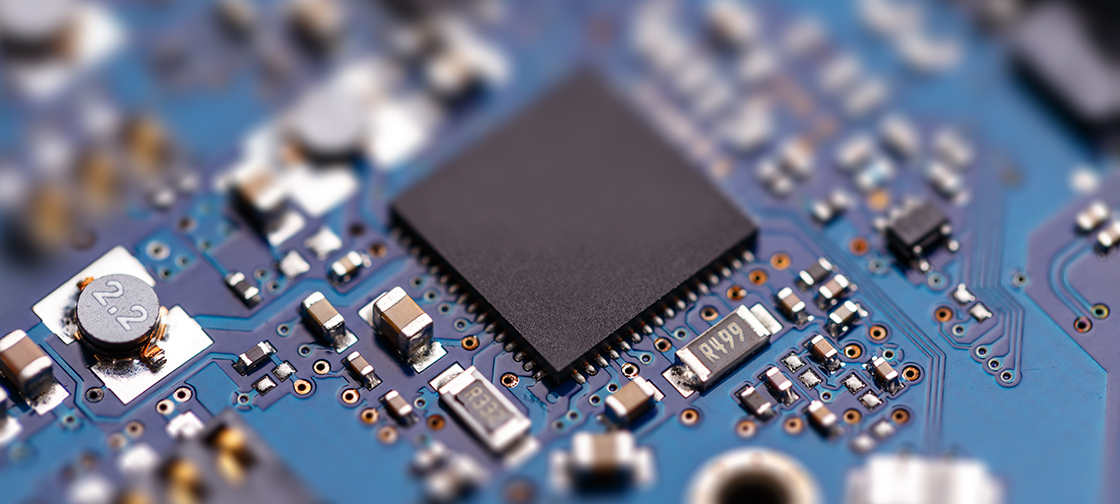
In a step toward practical quantum computing, researchers from MIT, Google, and elsewhere have designed a system that can verify when quantum chips have accurately performed complex computations that classical computers can’t.
Quantum chips perform computations using quantum bits, called “qubits,” that can represent the two states corresponding to classic binary bits — a 0 or 1 — or a “quantum superposition” of both states simultaneously. The unique superposition state can enable quantum computers to solve problems that are practically impossible for classical computers, potentially spurring breakthroughs in material design, drug discovery, and machine learning, among other applications.
Full-scale quantum computers will require millions of qubits, which isn’t yet feasible. In the past few years, researchers have started developing “Noisy Intermediate Scale Quantum” (NISQ) chips, which contain around 50 to 100 qubits. That’s just enough to demonstrate “quantum advantage,” meaning the NISQ chip can solve certain algorithms that are intractable for classical computers. Verifying that the chips performed operations as expected, however, can be very inefficient. The chip’s outputs can look entirely random, so it takes a long time to simulate steps to determine if everything went according to plan.
Source: “How to verify that quantum chips are computing correctly”, Rob Matheson, MIT News Office