



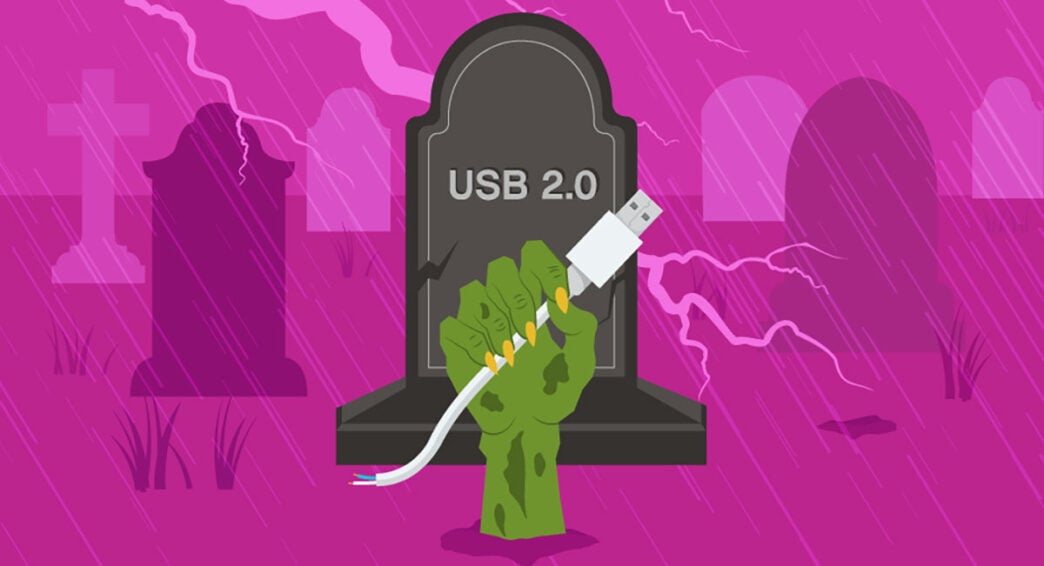
Not every design benefits from pushing to the latest USB data rate.
In applications where power delivery, mechanical compatibility, proven interoperability, or moderate data throughput matter more than peak bandwidth, USB 2.0 can still be the more efficient and sensible interface choice.
That is especially true when engineers want the convenience of USB Type-C without the complexity of full high-speed implementation.
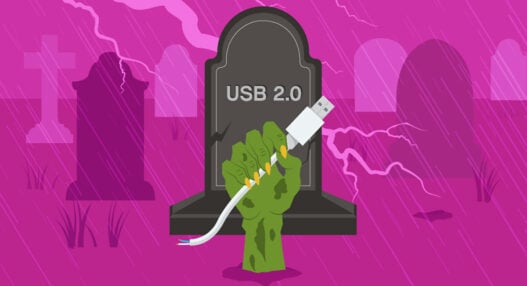
The Same Sky blog post, USB 2.0 Is Not Dead, looks at the role of USB 2.0 in modern designs, the appeal of pairing it with Type-C connectors, and the tradeoffs engineers should weigh before selecting it.
The post helps readers identify the use cases where simpler USB connectivity is still the best fit.