



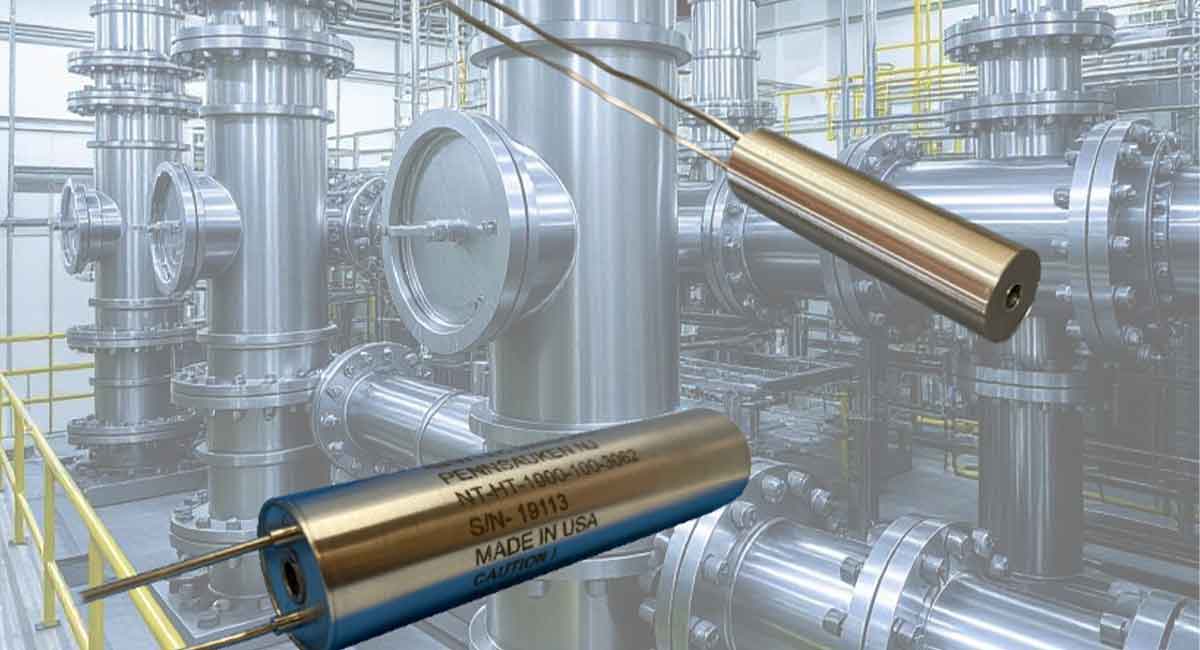
NewTek Sensor Solutions offers radiation-resistant LVDTs (Linear Variable Differential Transformers) in multiple temperature ranges to meet the demands of nuclear power applications, including next-generation reactors with elevated thermal and radiation requirements.
Constructed with heat-resistant materials and specialised coatings, NewTek’s radiation-resistant LVDTs are rated to withstand up to 100Mrad of total integrated flux. These sensors stay accurate and reliable even after long exposure to intense radiation, making them ideal for both existing nuclear plants and future reactor designs.
Varying temperature ranges
NewTek offers its radiation-resistant LVDTs in three distinct temperature ranges to address diverse thermal environments in nuclear applications:
- Standard Range (300°F) – Designed for general power generation applications such as valve position monitoring or structural deflection monitoring
- High Temperature Range (500°F) – Suitable for hotter zones within power generation stations or other specialised high-temperature environments
- Extreme Temperature Range (1000°F) – Built for advanced nuclear systems including Molten Salt Reactors (MSRs) and as a component of LVDT-based pressure sensors for process control or control rods. These LVDTs feature corrosion-resistant Inconel or Hastelloy housings compatible with molten salt environments to ensure long-term, stable performance
Applications
As the nuclear industry advances toward MSRs and Generation IV designs, NewTek’s radiation-resistant LVDTS are tailored to meet increasing demands for durability, precision, and real-time monitoring.
Key nuclear applications include:
- Containment structure monitoring
- Control rod position feedback
- Valve position control
- Structural deformation
These sensors provide real-time measurement feedback without losing signal quality, which helps keep reactors safe. Their non-contacting design also reduces maintenance needs, an important benefit in areas with access restrictions due to radiation exposure.