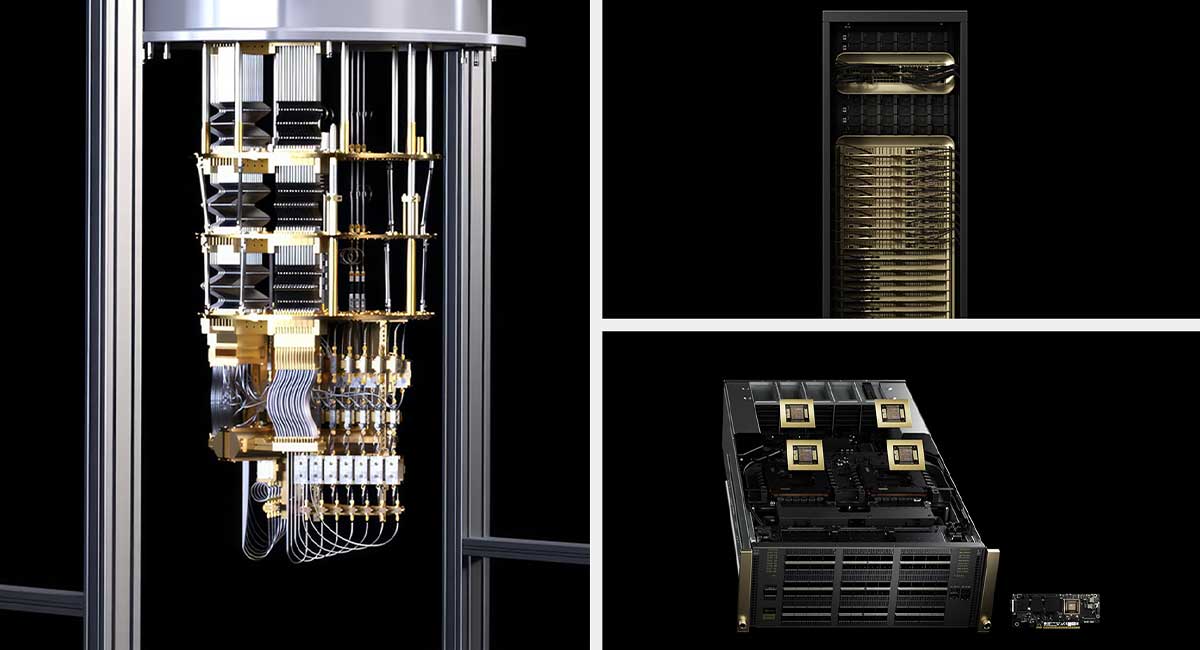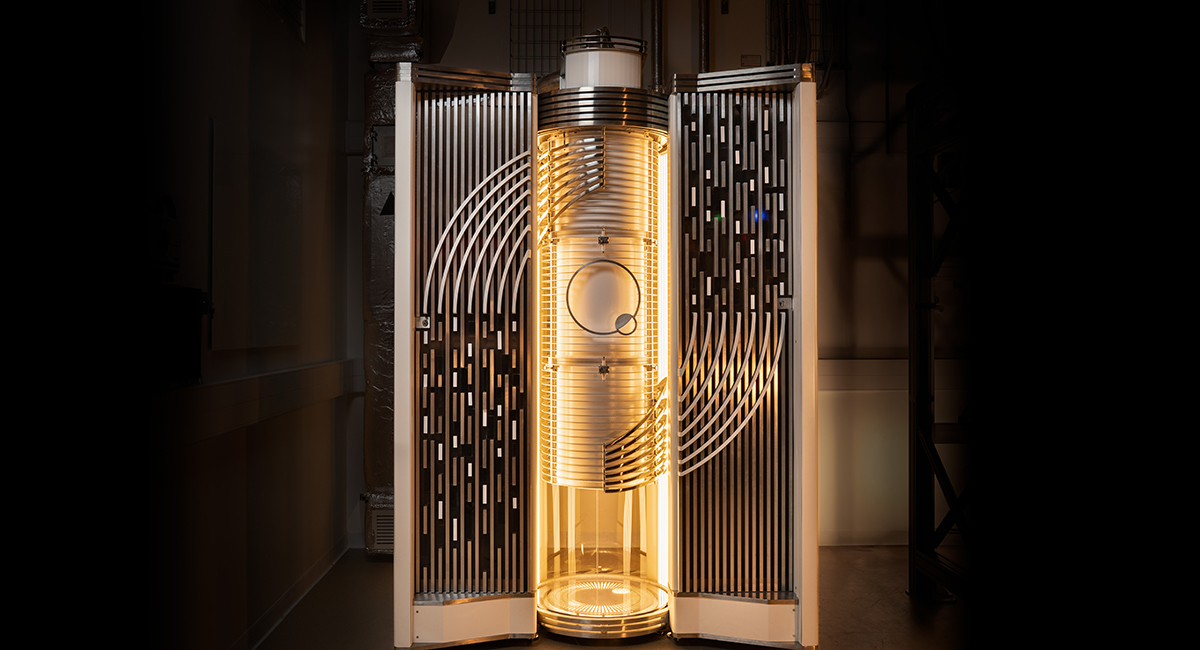






OVHcloud, the European cloud leader, has unveiled its Quantum Platform, offering what it says is the continent’s first Quantum-as-a-Service (QaaS) solution.
The platform provides access to at least eight advanced quantum computers, including the Pasqal Orion Beta QPU, which is available immediately.
The move aims to give businesses and public organisations the tools to explore quantum computing and prepare for complex technological challenges.
“This launch gives us the means to offer our customers the most advanced technologies, while continuing to develop a European quantum cloud,” said Fanny Bouton, Quantum Lead at OVHcloud. “We are at the forefront of quantum computing and want to provide our customers with the means to iterate, test and learn, so that we can all be ready to embrace quantum together.”
OVHcloud’s offering includes access to a 100-qubit system from Pasqal, a French company specialising in neutral atom computing. The platform combines quantum emulators with live quantum hardware, allowing users to test different computing models and access real quantum machines on demand.
The launch is part of OVHcloud’s broader strategy to foster a European quantum ecosystem. The company introduced its first quantum emulator in 2022 and now hosts nine emulators with nearly 1,000 users across its infrastructure. OVHcloud plans to integrate a total of eight additional quantum processing units by the end of 2027, seven of them from European suppliers.
“Making our quantum processing unit available on OVHcloud represents a major step toward European digital sovereignty,” said Loïc Henriet, CEO at Pasqal. “It ensures that quantum computing, from hardware to cloud infrastructure, can be developed, deployed, and operated entirely within Europe. This collaboration embodies our shared commitment to building a trusted, independent, and competitive European quantum ecosystem.”
OVHcloud operates more than 500,000 servers across 46 data centres in four continents, serving 1.6 million customers in over 140 countries. Pasqal, founded in 2019, has secured over €140 million in financing and is led by a team including Nobel Prize-winning physicist Alain Aspect.