




A power semiconductor switch is a controlled electronic device that repeatedly changes between on and off states. It is a solid-state switch, meaning it performs this function without mechanical movement.
These switches are commonly grouped by control characteristics: uncontrolled, semi-controlled, and fully controlled. Power diodes, for example, fall under the uncontrolled category, thyristors are semi-controlled, and MOSFETs and IGBTs are fully controlled. In uncontrolled devices, switching is dictated entirely by external circuit conditions. Semi-controlled devices can be turned on by a control signal but only turn off, usually, when the current naturally falls to zero. Fully controlled devices, however, can be turned on or off at any time by a control input.
What are solid-state switches?
A solid-state device (SSD) is built entirely from solid materials, and the flow of charge is confined within them. Unlike electro-mechanical devices such as relays and mechanical switches, SSDs have no moving parts. Instead, they control current flow of electricity through the semiconductor material using an input voltage or signal that creates an electric field inside the device.
Let’s have a look at some solid-state switches and what they do:
- Power diodes: one-way electrical switches that allow current to flow in a single direction while blocking it in the reverse direction. They can handle much higher voltages and currents than standard diodes
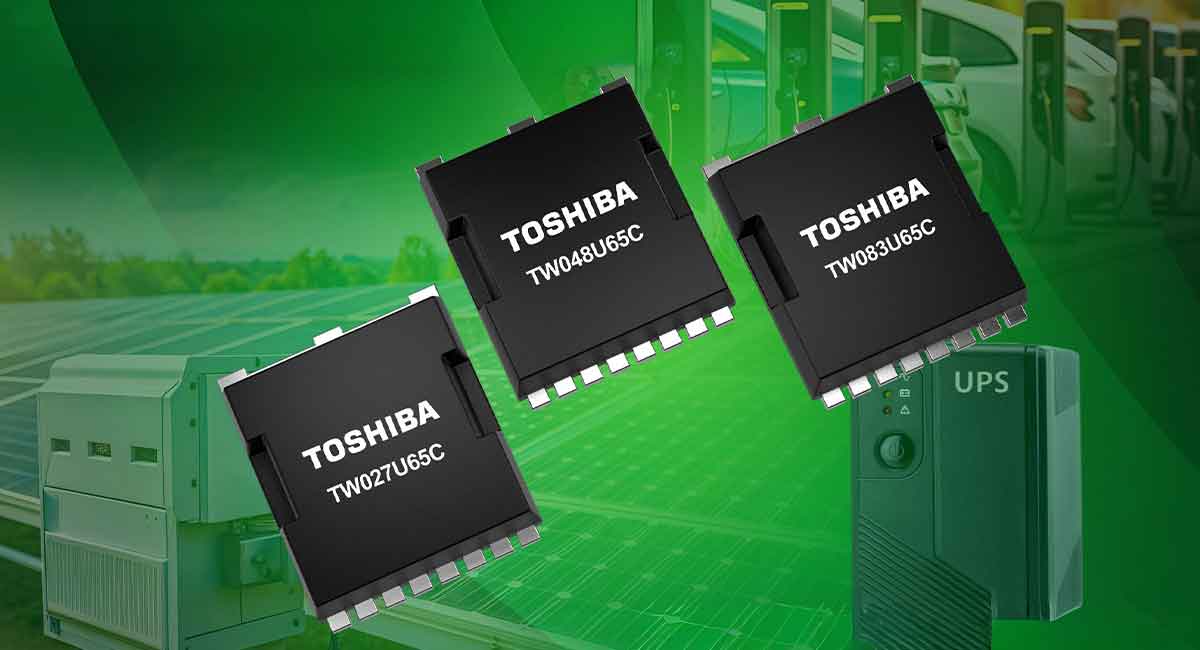
- MOSFETs: metal oxide semiconductor field effect transistors act as voltage-controlled switches in power electronics. They can also function as amplifiers in other applications, but in power circuits their role is primarily switching
- IGBTs: insulated gate bipolar transistors operate as high-speed electronic switches. They combine the easy gate drive of a MOSFET with the current handling of a bipolar transistor. IGBTs are widely used in inverters and converters, where they form the building blocks of DC/AC and AC/DC conversion
- Thyristors: one-way switches that remain in a conductive state after being triggered by a small gate current. They continue to conduct until the current naturally falls to zero or reverses direction
How do power semiconductor switches work?
One of the most common uses of power semiconductor switches is in power electronic converters. Here, the switch alternates between on and off states, shaping the output voltage and current. In an ideal case, switches would operate instantly, offer zero resistance when on, and infinite resistance when off. This would mean 100% efficiency, with no power losses during conduction or switching, and allow operation at extremely high frequencies without delay. In reality, switches take finite time to change states and exhibit resistance in the on-state, leading to energy losses.
Despite these limitations, semiconductor switches offer advantages over electro-mechanical alternatives. With no moving parts, they are faster, more reliable, longer lasting, and more resistant to wear. Electro-mechanical switches, however, still have their place. They provide excellent electrical isolation, lower resistance at terminals, robustness against overvoltage and overcurrent, galvanic isolation for circuit protection, stable temperature performance, and cost benefits for high-power applications. They also offer tactile feedback, which can be desirable in user interfaces, and sometimes achieve higher current and voltage ratings at lower cost. However, as semiconductor technology develops, these devices continue to close the gap, providing many of the benefits of electro-mechanical switches in a durable solid-state package.