




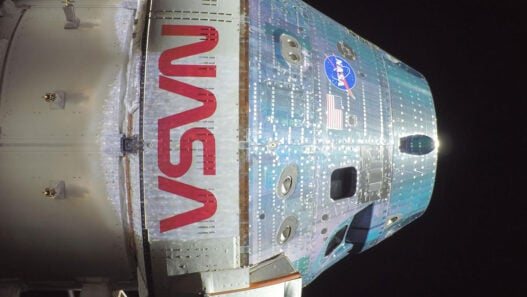



Redox Flow Batteries (RFB) are an energy storage technology that was initially developed by NASA in the 70’s for its space programme.
The expiry of a number of patents related to RFBs in 2006 has sparked an industrial race to commercialisation, which will grow to become a $4.5bn market by 2028 according to business intelligence firm IDTechEx.
The RFB technology, despite higher upfront costs and lower energy density, has a shorter payback time due to a good capacity retention even after many thousands of cycles.
Additionally RFBs retain most of their initial value thanks to the possibility to recycle their core components more easily than other battery chemistries. Some RFB chemistries, like that based on vanadium, are already commercial.
In the report, Redox Flow Batteries 2018-2028: Markets, Trends, Applications, IDTechEx predicts that the RFB market will be worth $4.5bn by 2028, and will include all stationary storage applications, from residential to C&I to grid-scale systems.
With many projects underway like the massive 200MW/800MWh system under construction in the Dalian peninsula in China, RFBs have the potential to become a mainstream technology that will compete directly with lithium-ion and sodium-sulphur, currently the two leading chemistries in the stationary storage market.
RFBs can potentially make second-life Li-ion batteries obsolete by offering a stable cycle life and reduced engineering and BMS challenges. Recycling aspects will ensure that, once out of service, the raw materials will retain most of their value and will be used in brand new RFBs.