





Navitas Semiconductor has unveiled a new family of ultra-high voltage silicon carbide devices as it seeks to strengthen its position in mission-critical energy infrastructure, including AI data centres, grid equipment, and industrial electrification.
The California-based company said that samples of its 3300V and 2300V SiC components are now available in module, discrete, and known-good-die formats. The launch marks an expansion of its GeneSiC portfolio, which Navitas claims sets a new benchmark for reliability and high-voltage performance.
The devices are built on the company’s fourth-generation Trench-Assisted Planar architecture, designed to ease electric-field stress and improve blocking performance relative to both trench and conventional planar SiC MOSFETs. Navitas said the approach boosts long-term reliability and avalanche robustness, while an optimised source contact improves current spreading and hot-temperature performance.
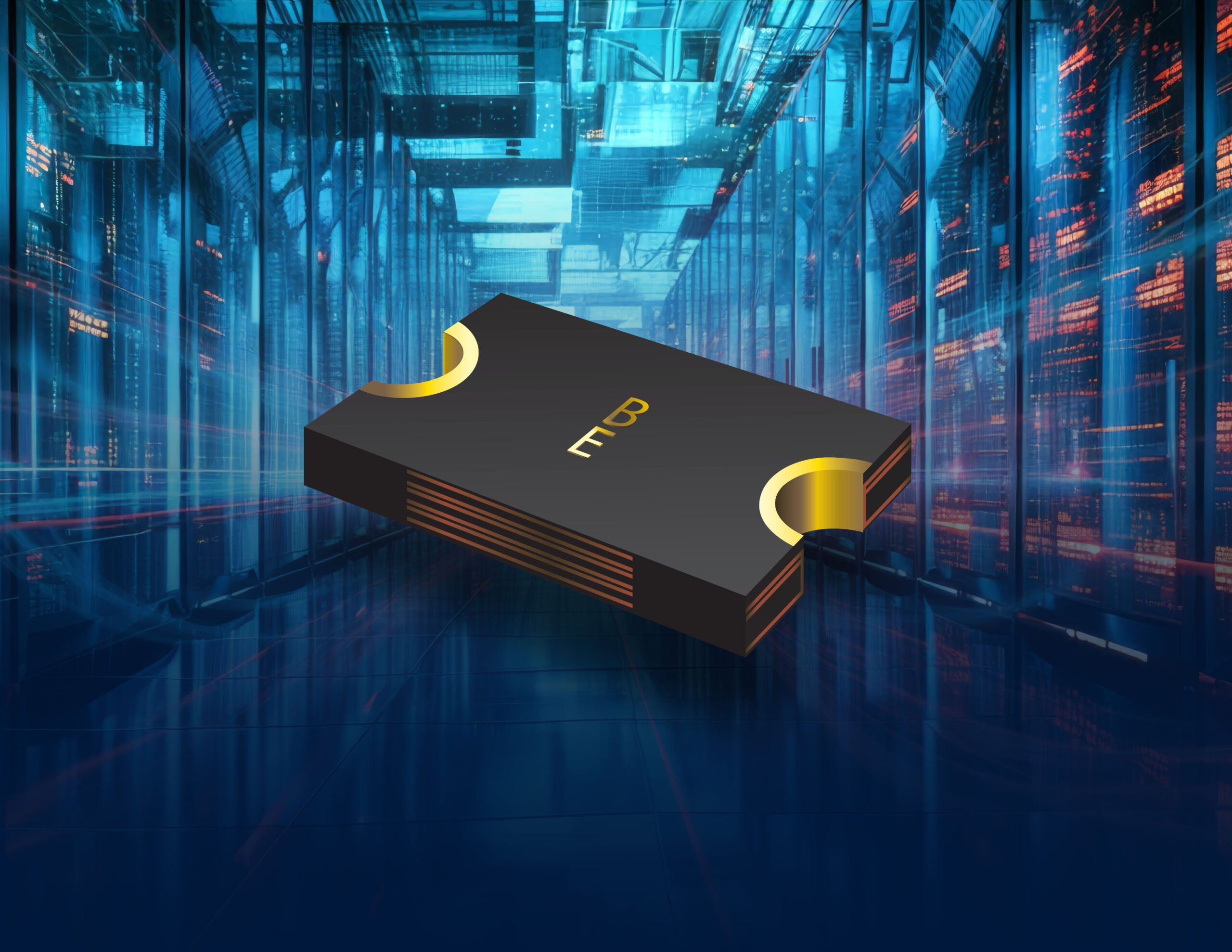
Navitas has paired the technology with a refreshed packaging line-up that includes its SiCPAK G+ power module in half-bridge and full-bridge variants. The module uses epoxy-resin potting, which, according to the company, extends power-cycling lifetime by more than 60%, and improves thermal-shock reliability more than tenfold, compared with silicone-gel alternatives. Other features include an aluminium-nitride substrate for heat dissipation and new press-fit pins designed to double current-carrying capacity. Discrete MOSFETs will be offered in TO-247 and TO-263-7 packages.
The company also introduced what it calls an AEC-Plus reliability benchmark, an internal standard that extends beyond AEC-Q101 and JEDEC tests. Navitas said the framework includes more stringent high-temperature, high-voltage and power-cycling regimes, as well as dynamic stress tests intended to reflect fast-switching mission profiles.
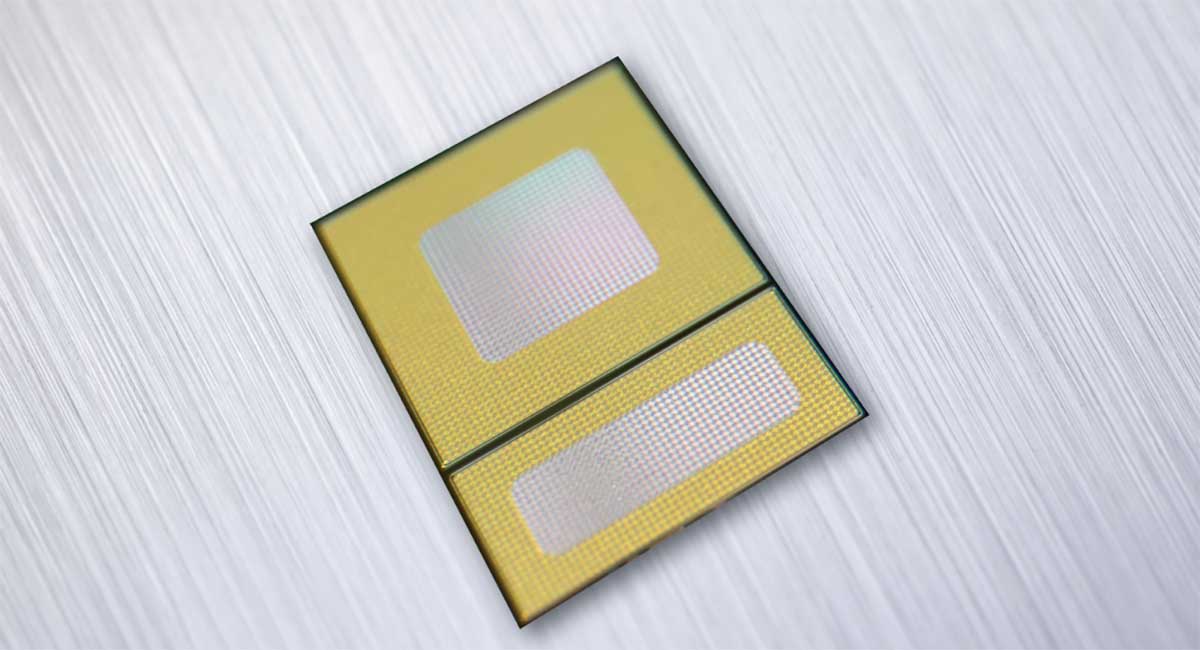
Known-good-die variants of the new devices will also be offered, with enhanced screening that includes hot-temperature testing on singulated die and six-side optical inspection.
Paul Wheeler, Vice President and General Manager of the Silicon Carbide Business Unit, said the launch would help customers push efficiency and reliability in applications such as solid-state transformers for AI data centres, utility-scale energy storage, and renewable power. He added that the technology represented a step towards Navitas’ planned 10kV platform.
Navitas, which holds more than 300 patents and describes itself as the first CarbonNeutral-certified semiconductor company, is shifting strategic focus towards high-power markets, while de-emphasising mobile and consumer devices. The company also reiterated a range of risks associated with the transition, including demand uncertainty, competitive pressures, and exposure to regulatory and supply-chain volatility.