



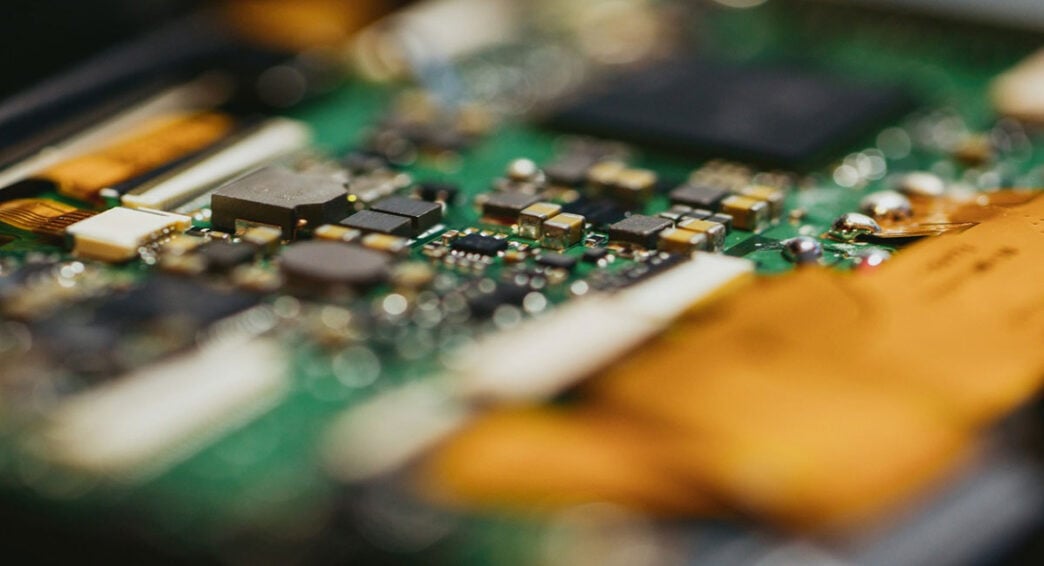
A single breakthrough won’t define the future of electronic devices. Trailblazers must combine innovative engineering and design adaptations to create next-gen electronics. This includes power efficiency optimisation, miniaturisation, thermal management, and critical redundancies.
Here are the up-and-coming technologies to be aware of:
Optimising electronic devices’ power efficiency
Power efficiency optimisation lowers electronics’ energy consumption, thereby reducing heat generation and extending battery life. As a result, next-gen electronics engineers can use fewer or smaller parts without sacrificing performance, enabling more compact designs.
Power management techniques are ideal for reducing energy consumption. Dynamic voltage and frequency scaling can adjust the processor’s speed and electric potential based on the current task. Alternatively, manufacturers can use power gating to shut down non-functional parts of the chip.
Material selection is also essential. Graphene has garnered substantial interest in recent years due to its unique properties. Its structure comprises multiple carbon atoms arranged in a tightly packed, two-dimensional hexagonal lattice. Despite being just one atomic layer thick, it is exceptionally conductive, strong and flexible.
In 2025, researchers used a flash-heating process to force graphene crystallites to form misaligned stacks. This structure is preferable to a neat, crystalline structure since the curves create a vast surface area in a small space, improving energy storage. Engineers could build fast-charging supercapacitors that store enough power to replace lithium-ion batteries.
Fitting all this power into smaller form factors
Devices aren’t just getting more powerful – they are growing tinier. Advanced miniaturisation packs more circuitry into smaller spaces, making everything from phones to medical implants lighter and more portable.
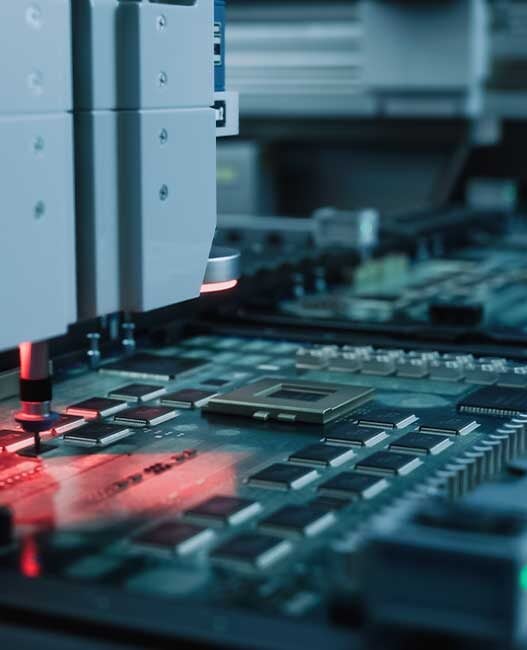
Manufacturers are integrating all major components onto a single chip. They are also producing three-dimensional integrated circuits (ICs) by stacking multiple layers on top of each other to create a more powerful, compact chip.
Aside from design improvements, innovators are engineering advanced semiconductor materials. Take gallium nitride (GaN), for example. If it weren’t expensive and challenging to integrate, it would quickly replace silicon, as it can make next-gen electronics faster and more energy-efficient.
In 2025, MIT researchers developed a novel fabrication process that integrates GaN transistors into standard silicon chips. Building numerous tiny transistors on the chip’s surface, cutting out each one and then bonding just the necessary number onto a silicon chip preserves the functionality of both materials. This method is compatible with existing semiconductor foundries.
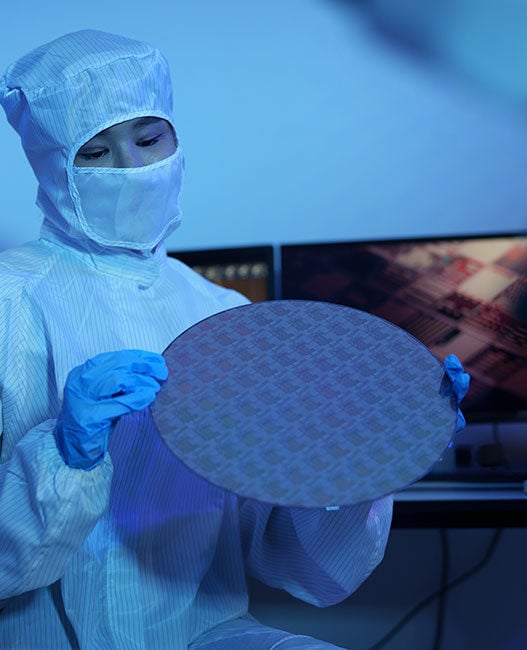
As miniaturisation advances, the non-functional spaces between chips become incredibly narrow. Foundries use cutting dies to cut and shape parts. An IC isn’t built one at a time. Many are fabricated simultaneously on a large, thin silicon wafer. To avoid damaging the delicate circuitry, they must cut through with microscopic precision.
The necessity of thermal management solutions
The smaller and more powerful devices get, the more heat they produce. Conventional methods for dissipating heat are quickly becoming outdated, necessitating modern thermal management solutions to prevent performance throttling and permanent component damage.
Fans and liquid cooling systems actively remove heat. While they are effective, they are too large. Since engineers can make heat sinks – which passively draw warmth away from sensitive parts without using power – much smaller, they are better suited for semiconductor devices.
Stanford researchers found a way to grow a nanometres-thick polycrystalline diamond – a mass of bonded crystallites – enhancing heat dissipation in semiconductors. When integrated with silicon, a silicon carbide interlayer forms. They connected those layers using diamond-based vertical heat conductors to spread heat and reduce hot spots.
These microscopic layers guide heat toward a radiator, a liquid-cooling system or a heat sink. Since they are incredibly thin, manufacturers could use them in advanced, miniaturised designs. Device-level thermal management could improve performance for next-gen electronics.
Making next-gen electronics resilient by design
As devices get smaller and companies switch to more expensive materials, engineers will be tempted to eliminate redundancies to save space and lower costs. However, doing so could increase the chances of premature failure.
Redundancy engineering is a systems engineering discipline that ensures equipment has backup or alternative critical components. This helps prevent system failures if a single part breaks. Intentionally including fail safes in designs prevents a single problem from bringing down an entire device.
This design approach is vital for safety-critical or time-sensitive items, such as autonomous vehicle sensors, implantable medical devices or aerospace technology. Ensuring uptime helps prevent catastrophic consequences.
A second power supply or processor can take over if the primary fails. For information and software redundancy, using error-correcting codes and running multiple instances of the same program is practical. This approach helps prevent data corruption and crashes.
Looking to the future of next-gen electronics
Although creating next-gen electronics is no easy task, countless promising breakthroughs exist. The only problem is that many aren’t scalable, cost-effective or compatible with existing manufacturing processes. To be successful, innovative techniques must check all these boxes.
About the author:

Lou Farrell is the Senior Editor of engineering and manufacturing at Revolutionized Magazine. His years of experience and passion for writing have given him the ability to craft insightful and engaging explorations of important topics within these fields, educating his readers on anything and everything they need to know.