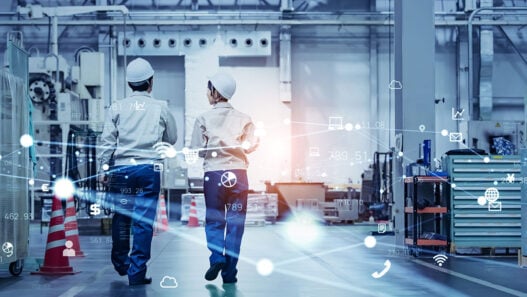






In the transportation industry, artificial intelligence is no longer a distant concept. It is reshaping how products are designed, how vehicles operate, and how workers and equipment stay safe. In fact, according to TE Connectivity’s 2025 Industrial Technology Index, 69% of organisations have adopted AI technologies and 22% report extensive use. From the factory floor to farm field, AI-driven technologies are not only accelerating innovation but they are also improving reliability and creating entirely new possibilities for mobility.
Below are five areas where AI is driving meaningful change and where we can expect to see even greater influence in the years to come.
1. AI-driven design

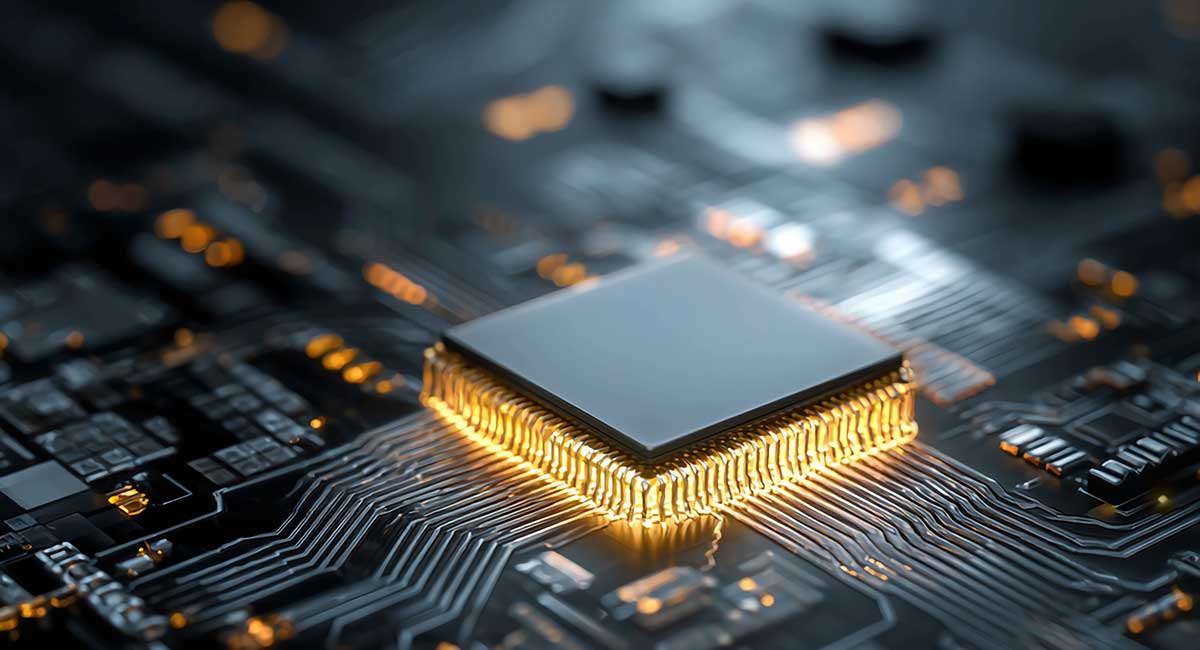
AI-driven design has quickly become a powerful accelerator in product development, especially in the transportation industry. Engineers are using AI to run simulations, predict performance, show initial failure points, and optimise designs at unprecedented speed. AI is truly becoming an engineer’s most valuable virtual partner. Instead of simply evaluating concepts, AI helps guide engineers toward stronger, lighter, and more reliable solutions right from the beginning, not only increasing innovation, but also time to market.
At TE, our use of generative design tools has enabled significant breakthroughs, including weight reductions of 30% or more in certain components, and in various areas of the development process, we are experiencing 20% to 50% faster timelines.
For organisations not yet embracing AI-driven design, the competitive gap is widening. Companies are quickly falling behind, and that will only increase as they struggle to compete on innovation, cost, and speed.
2. Advanced autonomous operation
From today’s driver-assistance systems to fully autonomous off-highway equipment, AI’s impact on vehicle autonomy is clear. Features like traffic jam assist and lane-changing support have evolved into more advanced and valuable technologies. Vehicles are becoming more capable of interpreting complex surroundings, making real-time decisions, and navigating obstacles with precision.
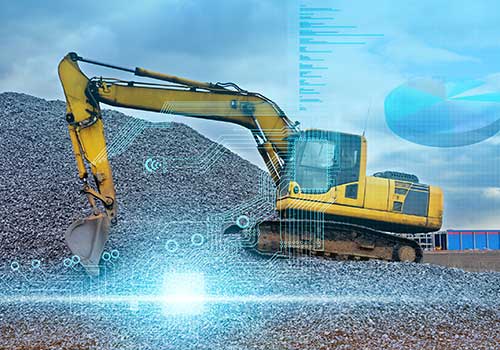
In off-highway operations, autonomous trucks and equipment are becoming more sophisticated and accessible each year thanks to advancements in AI. For instance, construction vehicles already leverage some degree of automation to drive throughput and overall job site efficiency. Both manually operated and autonomous vehicles use sensor-guided systems to make tight turns in constrained spaces, move in unison to avoid collision, and maintain vehicle stability.
What’s more, GPS systems with LIDAR and RADAR sensors integrate with telematics software to provide the real-time location of all machinery, while proximity and other sensors detect blind spots and the closeness of nearby equipment. Couple these systems with AI, and we’re creating a more productive job site.
3. Predictive maintenance
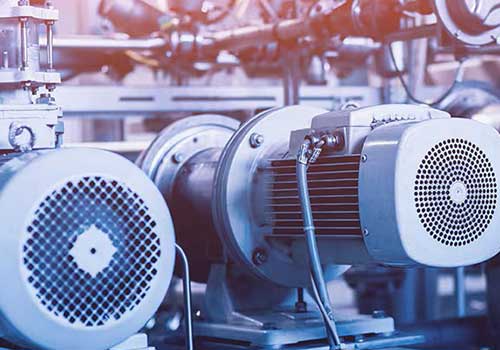
Predictive maintenance has long been a staple of industrial automation, but today, its value in transportation is accelerating thanks to the dense network of sensors built into vehicles. AI algorithms analyse sensor data on vibration, temperature, electrical load, braking patterns, and more, creating a rich foundation for machine-learning models to predict when maintenance is needed.
This shift represents a major cost and uptime advantage. Instead of relying on scheduled maintenance intervals, AI can detect early signs of drivetrain issues, brake wear or component stress, allowing repairs to be performed at the time they are needed. This not only prolongs the life of the equipment but also helps prevent costly repairs or machine failure.
In off-highway and heavy-duty applications, the reverse can happen with maintenance cycles being extended based on real usage rather than conservative estimates, which too can result in real-time cost savings.
4. Safety
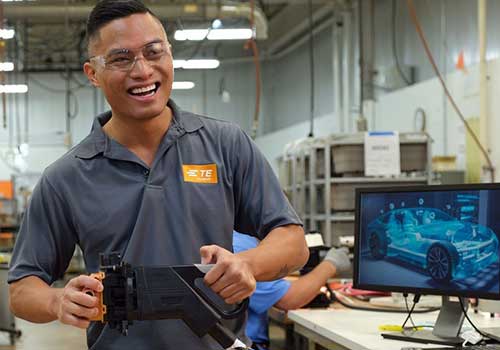
Safety is one of the most significant benefits AI brings to transportation. AI-powered systems can identify patterns and risks that human operators may miss, especially in low-light or high-stress environments. For passenger car drivers and truck operators, this might mean detecting a pedestrian or hazard on the roadway in dark conditions. For off-highway vehicle operators, this could mean determining when an operator or a human being approaches the equipment.
One particularly transformative area is driver and operator fatigue detection. Advanced systems can measure blink duration, steering-wheel micro-corrections, and subtle changes in control inputs. These small signals can reveal declining alertness earlier and more accurately than traditional methods. Going one step further, AI algorithms can narrow in on the approximate time when a driver or operator may begin to fatigue, helping to reduce accidents related to human error.
5. Precision agriculture
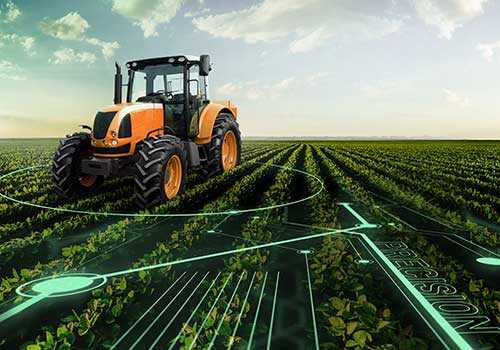
In the agriculture industry, AI-enabled precision tools are taking farming from the field level to the plant level. Camera systems and AI models can now identify weeds, assess crop readiness, and predict yield variations across a single plot. Instead of harvesting an entire field at once, smart machinery can selectively harvest ripe crops and leave others until they are at their peak, which both increases efficiency and eliminates waste.
Sensors are also becoming smarter and more sophisticated, collecting data through continuous soil sampling, which in turn allows farmers to tailor water, fertiliser, and nutrients to specific areas rather than applying uniform treatments. Couple this knowledge with autonomous equipment, and there is a larger opportunity to boost yields as well as mitigate labour shortages and extend the runtime of machinery.
What’s ahead: AI will continue to accelerate progress both on- and off-highway
The impact of AI is reshaping transportation today and accelerating progress at a pace that would have been unimaginable just a decade ago. If we look to the future, we can expect AI-driven design to further shorten product development timelines. Autonomous systems will continue to expand across both highway and off-highway applications, improving productivity and safety. We can also expect AI-based safety systems that once appeared only in top-tier vehicles to become standard across mid-range cars, commercial trucks, and off-highway equipment. Predictive maintenance will be nearly or fully AI-driven, and increasingly sophisticated models will unlock continuous improvements in yield and resource efficiency for the farming industry. Overall, AI is poised to become the engine that drives a safer, sustainable, and more connected tomorrow.
Author: David Brown, Vice President and CTO of Transportation Solutions, TE Connectivity