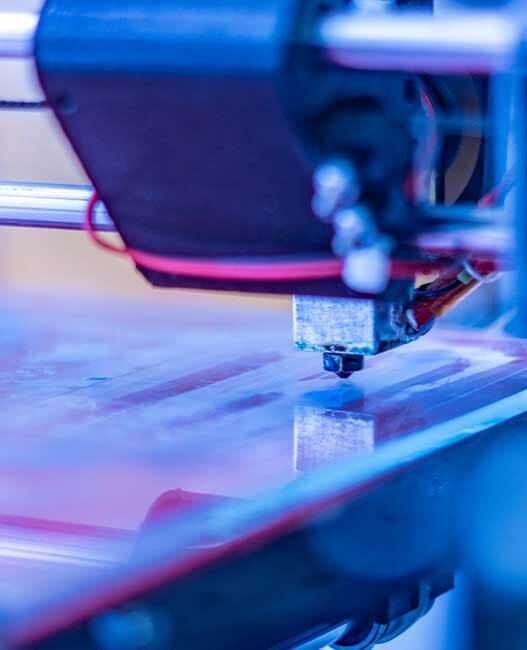





Mouser Electronics, a global distributor with the newest electronic components and industrial automation products, recently released its latest instalment of the Empowering Innovation Together (EIT) technology series, entitled, That’s 3D Printed?
This instalment explores how the foundational principles of 3D printing, also known as additive manufacturing, have advanced to transform design, engineering, and manufacturing through novel materials, AI, accelerated production cycles, and unparalleled design precision.
The ingenuity of 3D printing lies in its ability to fabricate highly complex geometries and intricate internal structures, a feat often unachievable with conventional subtractive methods. This capability has rapidly expanded, thanks to innovations driven by the integration of AI and new materials, coupled with supply chain pressures.
Together, these innovations allow for a wide range of applications, such as FAA-approved engine components made from 3D printable titanium and human cartilage implants made from biomaterials. For engineers, this creative flexibility represents an unprecedented level of design freedom, further optimised with AI-powered tools.
In The Tech Between Us podcast, Mark Beatty, Founder and CEO of 3D Agility, a 3D printing solutions provider, joins host Raymond Yin, Mouser Director of Technical Content, to discuss how this technology can alter manufacturing processes and reshape equipment lifecycles and obsolescence strategies.
The In Between The Tech podcast features Stefanie Brickwede, Managing Director at Mobility goes Additive, a European additive manufacturing network, who details the progression of additive manufacturing. She explores advancements in materials and the expanding scope of its applications, alongside its key advantages and the challenges for wider adoption.
“Additive manufacturing isn’t new, but its impact is accelerating,” said Yin. “With the rise of novel materials and AI, engineers can now design with greater precision and fewer limitations. This installment explores how these advancements are not only reshaping design workflows but also helping solve real-world supply chain challenges through fast, on-demand production.”
In addition to the podcast, the EIT series includes an in-depth video, technical articles, and topic-related infographics, as well as subscriber-exclusive content, delving into new materials, tools, uses of AI, and changes to the engineering workflow. By exploring the diverse use cases of additive manufacturing, engineers can develop innovative solutions for on-demand production, facilitate the creation of customised consumer goods, and effectively address supply chain challenges through localised and efficient spare parts manufacturing.