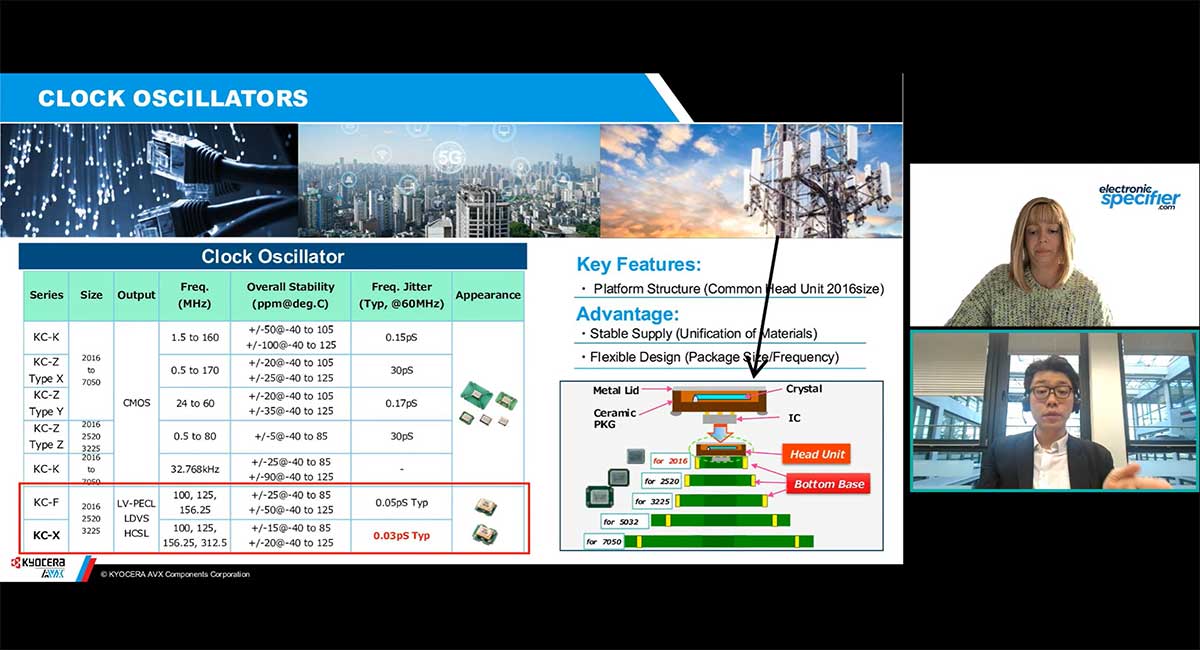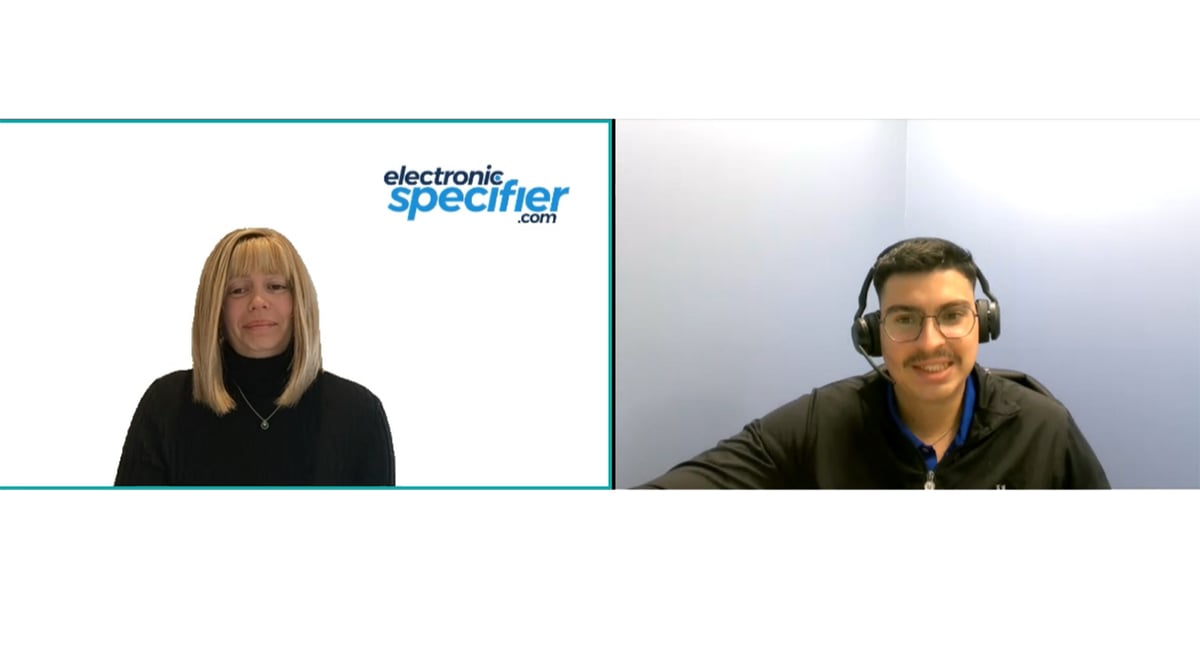




A recent webinar, hosted by Paige Hookway, Managing Editor of Electronic Specifier, in collaboration with Hirose and Avnet Abacus, centred on Designing Reliable Battery Management Systems: Connector Requirements & Hirose Solutions.
Jason Wilson, Business Development Manager at Hirose Electric Europe set the stage by describing the importance of battery management systems (BMS) across products ranging from electric vehicles to portable electronics. He explained that a BMS is designed to manage and protect rechargeable batteries, ensuring safe, effective, and durable operation. The connectors within BMS are essential to ensure both structural integrity and reliable signal/power transmission; these not only aid in compact assembly but also contribute directly to battery life by optimising spatial efficiency.
Elaborating on connector selection, Wilson highlighted key criteria: connection type (wire-to-board, board-to-board, I/O), current and voltage specifications, operating temperatures, and pin counts. He explained that current requirements affect connector pitch, thereby influencing critical factors like creepage and clearance – especially vital for preventing excess heat or system failure. BMS connectors must accommodate high temperatures, vibration, and the rigors of real-world deployment. Modern connectors can tolerate up to 140°C, which is necessary as higher-current designs naturally increase thermal risk. Connectors also support accuracy in sensor data by transmitting both power and critical signals for each battery cell.
The session spotlighted several Hirose connectors tailored for BMS and related energy storage challenges:
• The FX26 is a robust, high-temperature, vibration-resistant floating board-to-board connector rated for 140°C, with a 1mm pitch, supporting up to 60 pins and providing 0.7mm float in the XY axes for tolerance absorption
• The ZE05 series is intended for sensor integration, supporting multiple signal pins and up to 5A current capacity, rated for 125°C, and engineered for vibration endurance
• The TB4 connector is designed for FPC cables, providing a lower-profile alternative ideal for cramped PCBs and employing a two-piece positive locking mechanism to prevent vibration-induced failures
• Additional solutions included the ZG05 HV (high-voltage, shock-proof, rated for 1,000V), EM30MSD (service plug, IPX8 waterproof, rated for 200A), and an array of specialised FFC, wire-to-board, and signal connectors for diverse design requirements
A comprehensive Q&A followed, touching on topics such as current derating (dependent on ambient temperature and specific application), automotive and safety certifications (most Hirose connectors are JIS-qualified), high-voltage and vibration testing (meeting GIS and USCAR standards), connector pitch limitations (not recommended to go below 1mm for high-current BMS applications), and strategies for thermal and vibration management. Wilson also detailed when to involve Hirose in the design process (as early as possible for optimal solutions) and addressed issues such as board misalignment tolerance and flexibilities in connector pin configuration.