



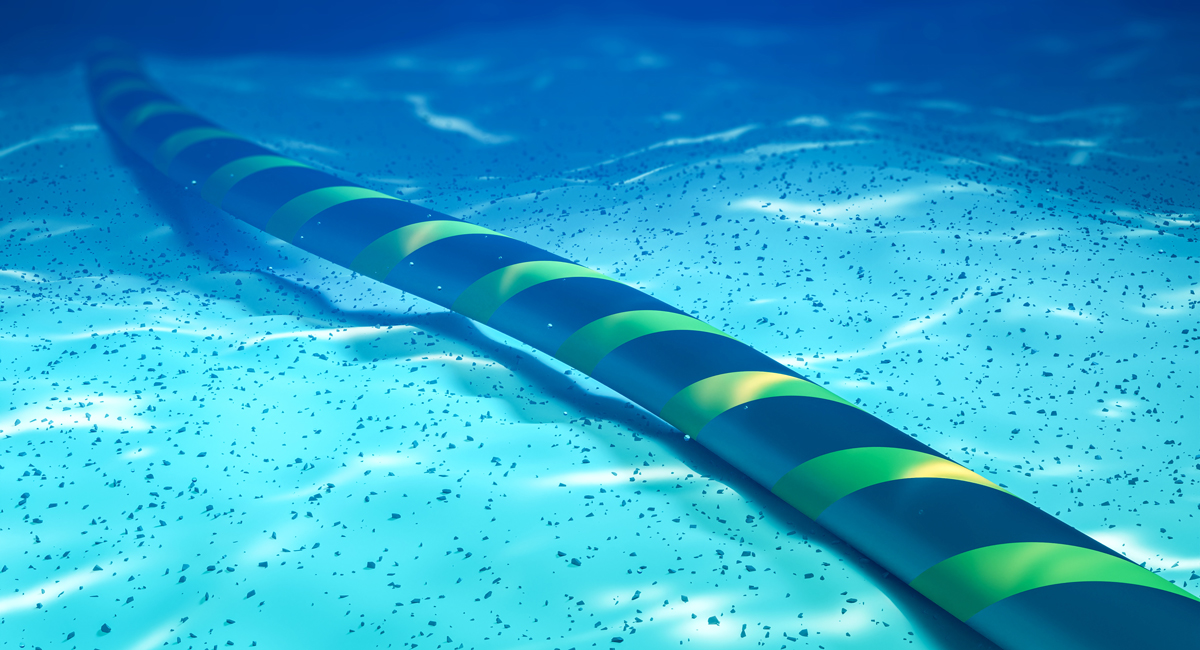
News that Microsoft’s Azure Cloud platform suffered disruptions as the result of subsea cables being cut in the Red Sea demonstrates the significance of these cables to worldwide connectivity, making up 99% of Internet traffic, and the overwhelming importance of keeping them secure.
Microsoft did not offer an explanation as to what caused the damage to the cables, although users were warned they would experience delays due to Internet traffic passing through the Middle East. The Pakistan Telecommunications Company also reported that these cuts happened in waters near Jeddah, in Saudi Arabia, and that Internet services could be affected during peak hours.
Typically, damage to the cables is the result of fishing equipment or ships dropping their anchors. Rarely, is it the result of sabotage, although there have been incidents: in the Baltic Sea, a series of undersea cables and gas pipelines were damaged in suspected attacks following Russia’s invasion of Ukraine in 2022.
It’s possible that in times of conflict and geopolitical tension, undersea cables are being viewed as targets with the potential to cause extreme disruption due to serving as the ‘backbone’ of the Internet.
As a result of this, nations are increasingly not only viewing these cables as critical infrastructure, but putting into place measures to safeguard them.
In 2023, for example, the Taiwan National Communications Commission amended the Telecommunications Management Act to increase fines and penalties directed at those who damaged telecommunications infrastructure. And in 2024, the Ministry of Digital Affairs in Taiwan designated 10 submarine cables as critical infrastructure.
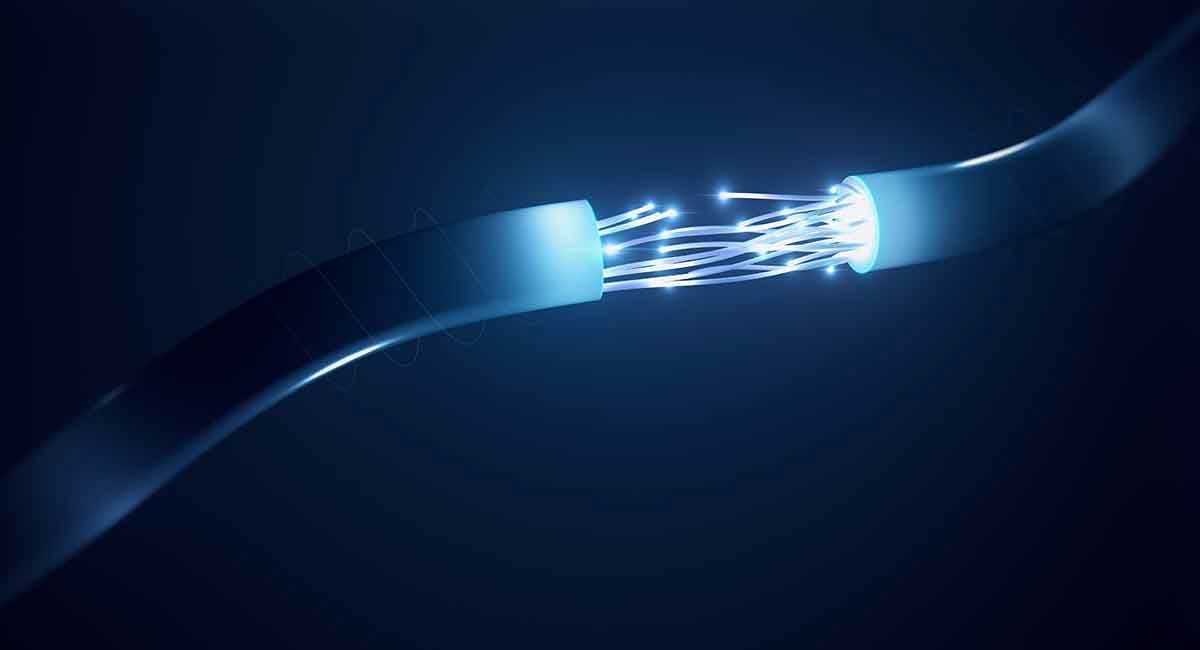
Modern subsea cables use fibre optic technology that passes huge amounts of data between continents back and forth. Although the cables are only as thick as hosepipe (approximately 2cm), there are existing protections such as literal protective layers, but also the installation of sensors to detect damage – not just as a consequence of sabotage, but also natural disasters – and remotely operated vehicles (ROVs) for surveillance purposes.
Today, subsea cables are owned by a mixture of telecom operators and, increasingly, big tech companies like Microsoft, Google, and Meta. Meta made news in November 2024 when it said it would be building a 40,000km fibre optic cable spanning the world, marking its first fully owned subsea cable. Although it has invested in 16 subsea networks, this would be its first privately owned.
A month later, in December 2024, the European Commission signed 21 grant agreements totalling €142 million to support the development of projects strengthening the resilience and security of digital connectivity. The beneficiaries of the grants are EU-controlled entities and the cables that would be deployed are built with secure technology, the Commission said.