






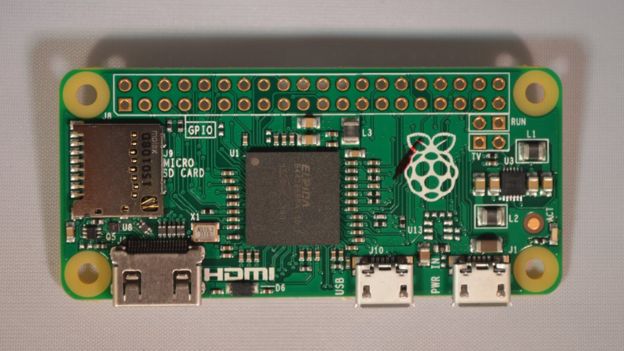
Eben Upton, who leads the project, says that the reduction of the hardware’s cost has always been a goal, and he now expects more people to be able to get involved in computing. But it looks more likely that existing users will snap them up as extra components in computing projects. Upton sees it being used in “internet of things” or robotics projects, where a smaller device may be needed, or as a media player.
Throughout its history, Raspberry Pi has found a bigger audience amongst middle-aged hobbyists rather than the school children who were its original target. That is likely to be the case at first with the Zero, though school computing clubs may find it a useful addition to their projects.
With more than seven million Raspberry Pis sold so far, and 270,000 in October alone, there is no doubt that it has been a commercial success. The challenge for those behind the project is to keep on remembering that the aim is to enthuse and inspire young people about computing, not to maximise profit.
The Raspberry Pi is the right device at the right time, catching a wave of enthusiasm for improving understanding of, and developing enthusiasm for, computing.