






Across many industry and business sectors, terabytes of data, documentation, and structured content are generated every single day. Increasingly complex, however, is managing changes to such content, with the need for organisations to implement effective document change management processes and solutions, in order to avoid potentially serious repercussions.
When it comes to the workflows of enterprises across the electronics and semiconductor sectors, the huge list of content includes: chiplet, graphics processing unit (GPU), and system-on-chip (SoC) specifications, to manufacturing operations’ data and manuals, test plans and technical specs, packaging data, IP libraries, compliance documentation, and much more. During the lifecycles of these, changes and updates may occur, which, ideally, will be made, with humans, integrated systems, and tailored solutions working together to ensure every single version of a particular document, in whatever format or language, e.g. XML, HTML, JSON, DITA, MS Office, and PDFs, is brought up to date, accurately. Where poor document change management occurs, however, discrepancies between versions can have serious repercussions, possibly of a commercial nature, maybe compliance-related, or others with potentially safety and functional implications for end-user products.
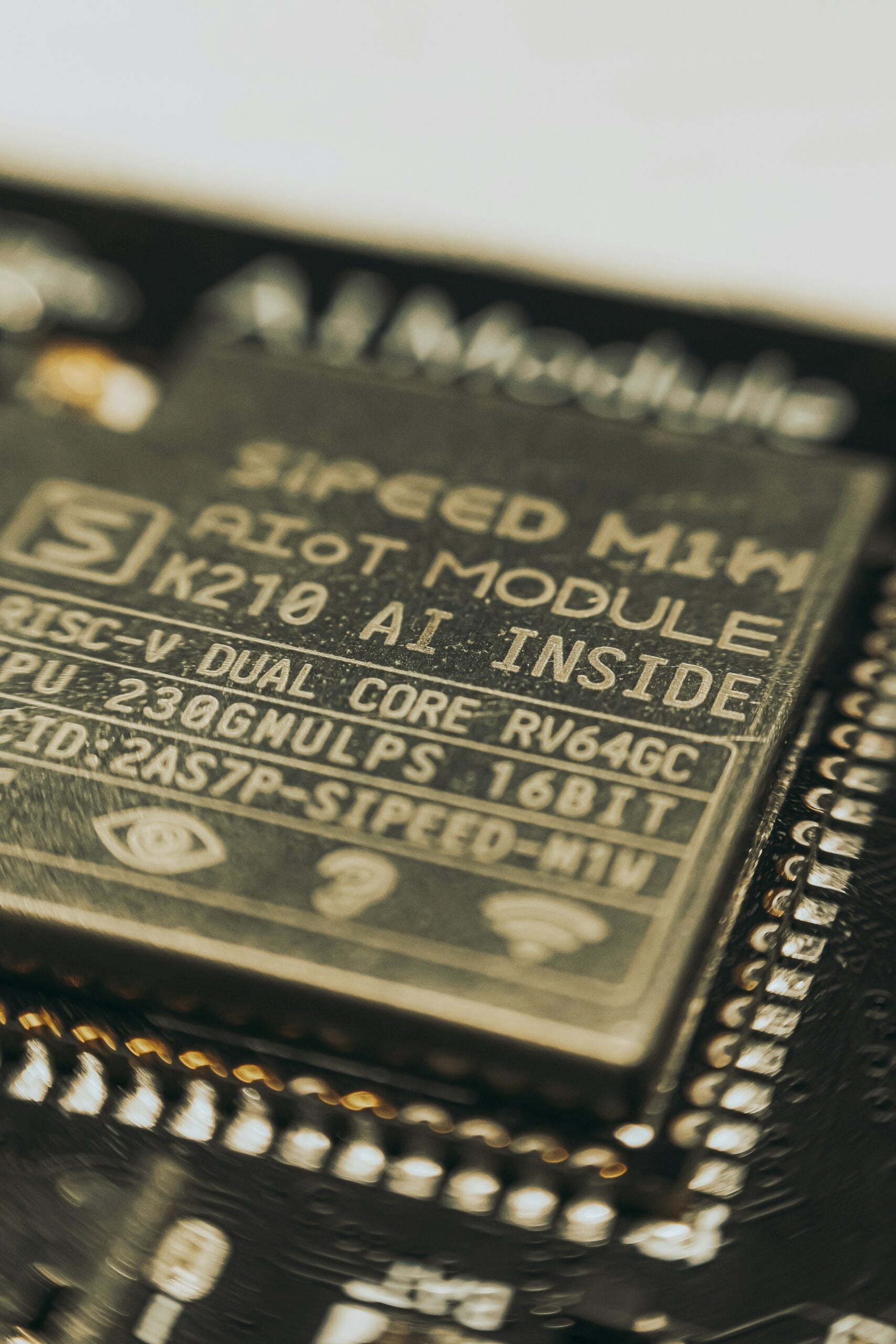
An end user electronics manufacturing services (EMS) company, for example, having to review a newly-released version of a chip’s user manual, possibly hundreds of pages long, but without any clear summary of what has changed, may find its engineers and manufacturing teams having to spend significant time manually comparing new and old versions, line by line, page by page, just to identify relevant updates. This slow and resource-intensive process can delay design reviews, manufacturing decisions, and validation work, leading to costly redesigns and production delays if specification changes are discovered only after designs or processes have already moved forward. Product recalls, too, can result, with financial losses for end users, not to mention reputational damage and customer trust issues from product-liability claims, lawsuits, and regulatory penalties.
Additionally, with enterprises now using content as data to feed internal RAGs (Retrieval Augmented Generation) on top of LLMs (Large Language Models), which can be used, enterprise-wide, to ask questions and quickly receive responses based on the RAG, the need to ensure ‘good data in, good data out’ is becoming a daily challenge. Failing to surface changes in documentation and data, and ensure validity of those changes exacerbates this challenge.
Effective document change management
An effective content and data change management solution, however, helps enterprises manage, analyse, and communicate changes in more efficient and scalable ways, thereby ensuring the content integrity of every version of documents, databases, technical writing, and designs across the company’s ecosystem, no matter their format or language. And an effective process of document comparisons, revisions, and updates will help reduce or eliminate the chance of manual errors entering the workflow – essential for leading semiconductor players to keep operations moving with accuracy and at scale.
Effective document change management solutions will give technical writers the ability to clearly surface differences between document versions and merge updates without losing accuracy or context. Such solutions make it easier to spot what’s changed, decide what matters, and apply updates consistently, even where a minor, though crucially important change, perhaps referring to a critical parameter, will, likely, never be spotted by a person. For instance, the specification of one end-product component might, in version one of a manual hundreds of pages long, have a 0.5 Ohms resistance rating; if revised by the technical writing department to 0.6 Ohms in a subsequent version – the only change in document – it’s unlikely a human will see it.
Minor differences, major repercussions, reliable solutions
An embedded change management solution, however, perhaps supported by AI insights, will quickly spot such small changes through precise comparisons of two or more versions of documents/datasets, identifying and bringing even the most minor changes to the surface. It will then, automatically effect a successful merge process to bring multiple edits, from multiple versions, together into a single, accurate, conflict-free document.
About the author:
Eithne Devine-Hynes, CEO, DeltaXignia

Following more than 30 years of experience working in large blue-chip companies and startups across IT and mobile communications sectors, including senior roles at Dell Technologies, Eithne Devine-Hynes took over as CEO at change management specialist, DeltaXignia, from founder, Robin La Fontaine, in summer of 2024. Today, she is focused on growing DeltaXignia by redefining and expanding its go-to-market strategy, and was recently selected as ‘Top CEO of the Year in Change Management’ by the International Association of Top Professionals, for her ‘outstanding leadership, dedication and commitment’ to the industry.