




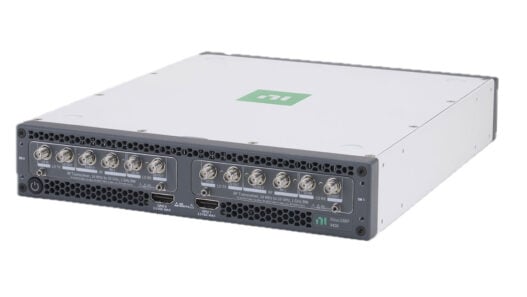


The transceiver and its associated reference design can be digitally configured to operate the required frequency bands, with 16 user-selectable bandwidths from 1.5MHz to 28MHz. This means it can transmit and receive data across all WiMAX bands (including those used in different geographical areas), as well as those used for W-CDMA and HSPA, and those that are planned for LTE. This removes the need for individual transceiver chips for each of the different bands, and allows a small cell base station to be reconfigured rapidly and simply. The resulting reduction in bill of materials minimises costs and inventory for OEMs.
The transceiver IC is presently undergoing an evaluation phase, where selected key customers are consulted for feedback on the specification of the design. The final chip design can then be fine-tuned to incorporate their specific requirements, before ramping up to full production quantities.
We are very excited to have achieved success across the board at the first silicon stage, comments Ebrahim Bushehri, CEO of Lime Microsystems. The current evaluation phase is essential, for two reasons. Firstly, it gives us a chance to optimise the design according our customers’ requirements. This means our offering will meet their needs exactly, with a fully optimised and cost reduced solution. Secondly, it allows selected customers to get a heads up on what our chip can do, so they can begin integrating it into future femtocell designs. We expect to be sampling the optimised design to the rest of the market during Q4 this year.”
Lime successfully demonstrated the transceiver’s reference design at Mobile World Congress in Barcelona in February.