






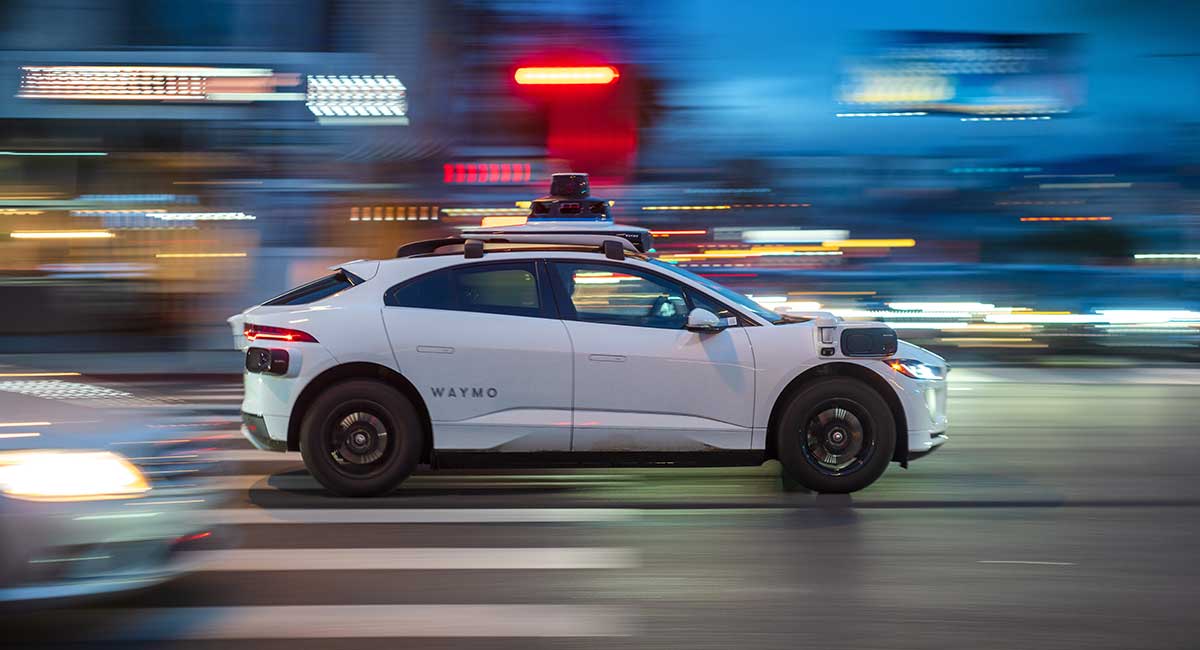
London’s streets could soon host a new chapter in transport innovation, as Waymo confirmed plans to introduce its fully autonomous ride-hailing service to the UK capital in 2026.
The announcement marks the company’s first major expansion beyond the United States and Japan, signalling a significant step forward for the adoption of driverless vehicle technology in Europe.
The service, operated through the Waymo app, will allow Londoners to book rides in vehicles with no human behind the wheel. The company said it aims to complement the city’s established transport systems by offering an additional safe and accessible mobility option.
Over the coming months, Waymo intends to prepare for the launch in partnership with its fleet operations collaborator, Moove, while working with local and national authorities to obtain the necessary permissions to operate commercially.
In the US, Waymo’s autonomous vehicles have already accumulated more than 100 million fully autonomous miles on public roads and completed over 10 million paid rides.
Waymo Co-CEO Tekedra Mawakana stated: “We’re thrilled to bring the reliability, safety, and magic of Waymo to Londoners. Waymo is making roads safer and transportation more accessible where we operate. We’ve demonstrated how to responsibly scale fully autonomous ride-hailing, and we can’t wait to expand the benefits of our technology to the United Kingdom.”
The UK already holds an important place in Waymo’s global operations. Its first international engineering hubs, located in London and Oxford, have contributed to advancing simulation-based testing – a key development method for validating autonomous driving systems. The company also maintains a strong partnership with Jaguar Land Rover, equipping the British manufacturer’s all-electric I-PACE vehicles with the Waymo Driver system. These vehicles currently provide hundreds of thousands of autonomous rides each week in the US and are now being tested in Tokyo.
Secretary of State for Transport Heidi Alexander welcomed the news, saying: “I’m delighted that Waymo intends to bring their services to London next year, under our proposed piloting scheme. Boosting the AV sector will increase accessible transport options alongside bringing jobs, investment, and opportunities to the UK. Cutting edge investment like this will help us deliver our mission to be world-leaders in new technology and spearhead national renewal that delivers real change in our communities.”
Waymo suggested that its arrival could contribute to London’s transport safety goals, particularly those related to Vision Zero, which aims to eliminate deaths and serious injuries on the city’s roads. According to Waymo, its autonomous vehicles have been involved in five times fewer injury-causing collisions overall, and 12 times fewer collisions involving pedestrians, compared with human drivers.
The technology’s potential social impact has also drawn attention from advocacy groups. Robin Spinks, Head of Inclusive Design at the Royal National Institute of Blind People (RNIB), commented: “The planned introduction of Waymo in the UK represents the potential for the dawn of a new era in independent mobility options for blind and partially sighted people. As someone who’s been severely sight impaired since birth, I’ve long hoped for the day when technology can safely enable spontaneous autonomous travel. Autonomous vehicle systems should be accessible to everyone and we’re working with the community and our industry partners to ensure that the rollout of this technology prioritises the safety and diverse needs of riders and pedestrians.”
James Gibson, Executive Director of Road Safety GB, echoed this sentiment: “Autonomous vehicles, such as Waymo, hold the potential to significantly improve road safety because, quite simply, the human driver is removed. The data shows that the Waymo vehicles have performed far safer compared to human drivers across more than 100 million autonomous miles. Rolling out autonomous vehicles in a progressive yet measured way will be the best approach. The road safety profession and wider society should embrace it. It could lead to a future that our vision zero aspirations envision.”
If approved, Waymo’s London debut could mark a turning point for urban mobility in the UK – introducing autonomous ride-hailing not as a futuristic experiment, but as a practical addition to one of the world’s most complex transport ecosystems.