





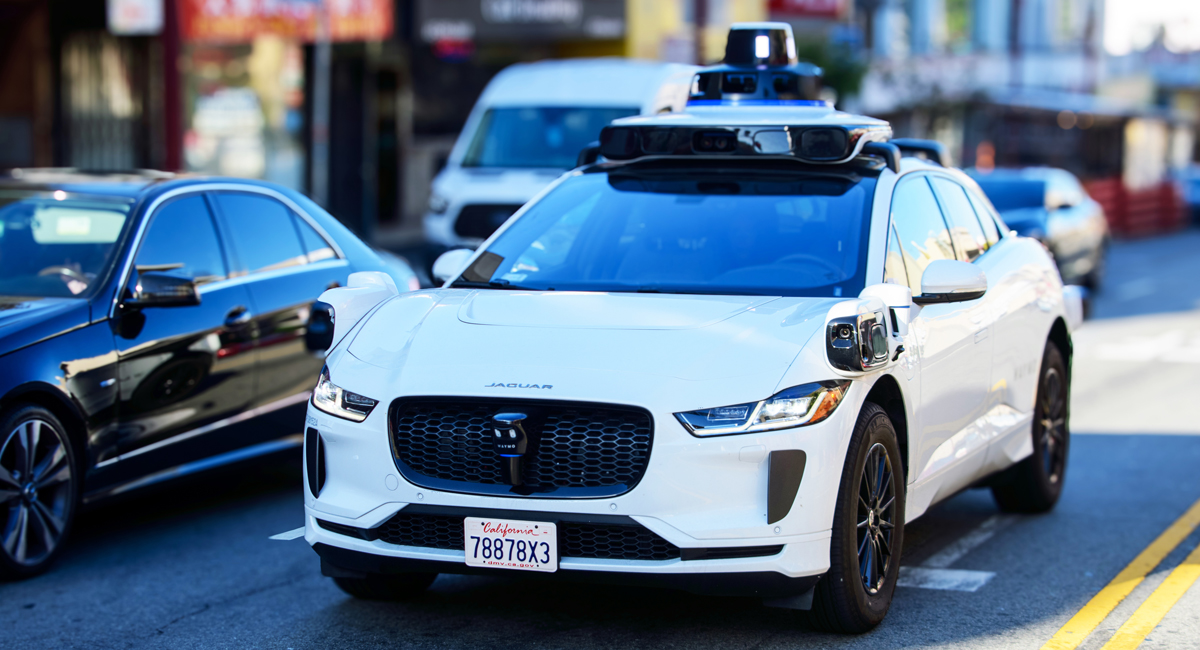
In spite of the rapid rollout of self-driving taxis observed in the US by companies like Waymo and Cruise, a new report from Consumer Intelligence shows that UK drivers remain deeply sceptical of handing control to a computer.
The Consumer Mobility Trends Analysis – based on a survey of over 1,000 UK drivers – finds:
- Reluctance to ride: more than half of UK drivers (54%) say they would not use a fully self-driving car
- Human over machine: nearly three-quarters (73%) would trust their own judgement more than the car’s systems
- Age matters: among drivers aged 65+, almost half (46%) say they would “definitely not” ride in a self-driving car, compared with just 16% of 25–34 year olds
By way of contrast, cities like Phoenix, San Francisco and Los Angeles already have self-driving taxi fleets operating daily. In the US, robotaxi operators such as Waymo are carrying thousands of passengers each week, offering a glimpse of what a driverless future might look like.
“Britain is watching the rise of robotaxis in America with curiosity but also caution. Our research shows that UK drivers are far from convinced. Trust is the missing ingredient. For many, especially older drivers, the thought of surrendering control to a machine is simply a step too far,” said Ian Hughes, CEO of Consumer Intelligence.
The report warns that unless manufacturers, insurers, and policy makers address these trust issues, the UK could lag behind in adoption. While younger, urban drivers show greater openness – particularly Londoners, where over 20% would “definitely” try a self-driving car – mainstream acceptance remains distant.
The research also highlights:
- Safety tech gaps – 36% of UK cars still lack basic driver-assistance features such as lane-keeping or emergency braking
- Incentives work – 7 in 10 drivers with safety tech say they would use it more if insurers offered discounts
- Awareness deficit – One in five drivers don’t know what a car club is, despite growing interest in shared mobility schemes
“The UK mobility industry cannot assume that because self-driving taxis are working in the US, British consumers will automatically embrace them. Building confidence will take visible proof of safety, clear communication, and time,” concluded Hughes.